

Digital citizenship is a term that gets used frequently in schools and parenting resources, but what it actually means in practice is often less clear. At its core, digital citizenship is about raising children who are not just protected from online harm but are equipped to navigate digital life with judgment, integrity, and resilience.
The goal is not a child who avoids the internet. The goal is a child who uses it thoughtfully, recognizes risk, makes ethical choices, and comes to trusted adults when something feels wrong. These are teachable skills that develop over time with guidance, modeling, and practice. The most important thing families can do is start early and treat these conversations as ongoing rather than one-time events.
The Digital Footprint Conversation

One of the most important concepts to teach children early is that everything posted online is permanent. Even deleted posts can be screenshot, cached, or saved by anyone who saw them. Messages that disappear on Snapchat can be screenshot before they vanish. Posts made at age 13 can be found by college admissions offices, employers, and future partners years or decades later.
Meaning, what you do online can have real consequences…forever.
A simple and effective framework for children to apply before posting anything is sometimes called the grandmother test combined with the future employer test.
- Would they be comfortable if their grandmother saw this?
- Would they be comfortable if a future employer saw it?
If either answer is no, it should not be posted. This is not about restricting self-expression. It is about understanding that the internet has a long memory and that identity is built over time partly through what a person puts into the world digitally.
Privacy Awareness
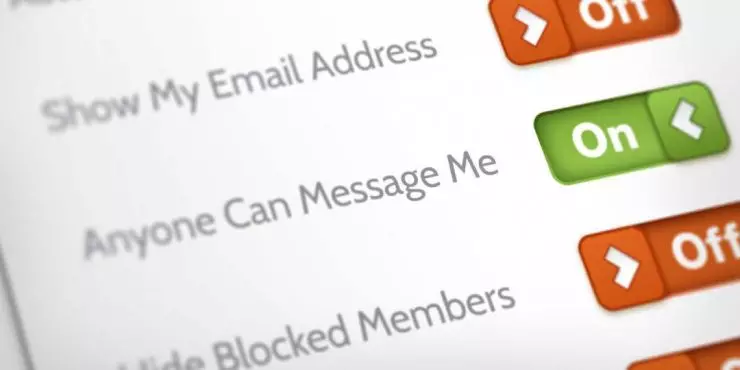
Children need to understand specifically what personal information should never be shared online, because general advice about being careful with privacy is too vague to be protective. A full name and school name together provide enough information for a stranger to locate a child in the physical world. Real-time location sharing in stories and posts reveals home neighborhood and daily patterns even without an explicit address.
- Profile photos that include school uniforms, street signs, or identifiable landmarks provide location information without any words.
- Direct messages are not private, anything sent digitally should be assumed capable of being shared with anyone.
- Location features on platforms like Snapchat should be turned off or limited strictly to close known contacts.
Teaching these specific rules from an early age, and explaining the reasoning behind them rather than simply issuing prohibitions, builds the kind of internalized awareness that protects children when parents are not in the room.
Recognizing Online Predators — And Teaching Children What to Do

Children are not naturally equipped to recognize grooming because it is specifically designed not to look dangerous. It looks like friendship. It looks like someone who finally understands them. Teaching children not just what grooming looks like but exactly what to do when they encounter it transforms awareness into a genuine protective skill.
The specific behaviors that should prompt a child to tell a trusted adult immediately are being asked to keep the online friendship secret from parents, receiving gifts, money, or game credits from someone they have not met in person, being asked for photos of any kind, being told that an adult understands them better than their parents do, being asked to move the conversation to a more private platform, and any romantic or sexual conversation from an adult.
What matters just as much as knowing the list is knowing what comes next. A child who recognizes one of these patterns and immediately tells a trusted adult is exercising exactly the kind of digital judgment that digital citizenship is built around. That response, recognize, don't engage, tell someone, is a learnable skill. It is also one that families can practice by talking through specific scenarios before they happen, so that the response is already familiar when it is needed.
Critically, the home environment has to support disclosure. A child who fears losing their device for reporting something concerning will not report it. Responding to disclosure with calm, genuine appreciation rather than anger or immediate restriction is what keeps the communication open.
Being an Upstander, Not a Bystander
Teaching children not to bully online is essential but incomplete without teaching them what to do when they witness bullying happening to someone else. Research on school bullying consistently shows that bystander behavior is one of the strongest predictors of whether bullying continues or stops. The same dynamic applies online.
An upstander is someone who takes action when they see bullying rather than remaining silent. For children, this might look like refusing to share or like a bullying post, sending a private message of support to the person being targeted, reporting the content to the platform, or telling a trusted adult what is happening. The courage to do this is something families can actively build by talking about it directly and specifically, naming it as a value the family holds.
Critical Thinking About Online Content
Social media is loaded with misinformation, heavily filtered images presented as reality, and viral content designed to provoke emotional reactions rather than inform. Teaching children to pause and evaluate before believing or sharing anything online is one of the most valuable and transferable skills families can build.
Questions worth teaching children to ask before engaging with online content include:
- Who created this
- What they gain from sharing it
- Is the image filtered or staged
- Is a strong emotional reaction being triggered and why
- Can the information be verified from a trusted source
These questions are not only relevant for children. They apply equally to adults navigating an information environment increasingly filled with algorithmically amplified misinformation.
Modeling the Behavior Expected

Children observe parental technology use far more than parents typically realize. The gap between what parents say about technology and how parents actually use it is a gap children will identify, reference, and use in every conversation about their own use.
Modeling the relationship with technology that families want children to develop, putting the phone down during conversations and meals, not reaching for the device reflexively during every quiet moment, and talking openly about navigating social media as an adult with genuine complexity, is more influential than any rule that could be established.
Frequently Asked Questions
What is digital citizenship and why does it matter?
Digital citizenship refers to the responsible, ethical, and safe use of technology and the internet. It matters because the habits children build around online behavior during childhood and adolescence shape how they interact with digital life throughout adulthood. Children who are taught to think critically, maintain privacy, treat others with respect online, and come to trusted adults with problems navigate digital life more safely and ethically.
How do I teach my child about online privacy?
Start with specific concrete rules rather than general principles. Full name plus school name should never be shared publicly. Home address, phone number, and daily routine should never be posted. Real-time location sharing should be off or strictly limited. Direct messages are not private. Explain the reasoning behind each rule so children understand the why, not just the what.
What is a digital footprint?
A digital footprint is the trail of data, posts, comments, images, and interactions a person leaves behind through their online activity. Everything posted online is potentially permanent, deleted posts may have been screenshot, cached, or saved by others. Teaching children to consider their digital footprint before posting is one of the most important digital citizenship habits families can establish.
How do I teach my child to respond to cyberbullying?
Teach both sides of the experience. If they are targeted, the most important things are to not respond in kind, to save evidence by taking screenshots, and to tell a trusted adult. If they witness bullying of someone else, teach them to be an upstander rather than a bystander, to refuse to engage with bullying content, to offer private support to the person targeted, and to report to an adult.
At what age should I teach digital citizenship?
Digital citizenship education is most effective when it begins before children have devices of their own, typically around ages 6 to 8. Starting early means the habits and values around technology are established as part of normal family conversation rather than introduced reactively when a problem has already occurred.