

GLP-1 medications have changed the conversation around weight management and blood sugar control, but questions about what happens after stopping them come up just as often as questions about starting them. Whether the reason is cost, side effects, reaching a goal, or a doctor's recommendation, understanding what to expect makes the transition easier to navigate.
Why People Stop GLP-1 Medications
Reasons for stopping vary widely, and none of them are unusual:
- Reaching a personal weight or health goal
- Cost or insurance coverage changes
- Side effects that outweigh the benefits
- A planned pause recommended by a physician
- Life changes such as pregnancy planning, where GLP-1 medications are typically discontinued
Understanding the reason behind stopping often shapes the plan for what comes next, which is why this decision works best in partnership with a physician rather than alone.
What Happens to Appetite

One of the most immediate changes after stopping a GLP-1 medication is a return of appetite. These medications work partly by slowing digestion and signaling fullness to the brain, and both of those effects fade once the medication clears the system, typically within a few weeks depending on the specific drug.
Increased hunger and food noise, the persistent mental preoccupation with food that many patients describe improving on GLP-1 medications, often returns during this window. This isn't a personal failure or a sign that the medication "wasn't working." It reflects the underlying biology the medication was addressing in the first place.
Why Appetite Returns

One way that GLP-1 medications work is by mimicking a natural gut hormone that signals fullness to the brain and slows how quickly food leaves the stomach. While on the medication, this creates two effects:
- Food sits in the stomach longer (physical fullness)
- The brain's hunger centers get a strong "you're satisfied" signal (reduced food noise)
When the medication is stopped, both effects fade as it clears the body, typically over a few weeks depending on the drug's half-life. But it's not just that the drug's effect goes away. Several things happen at once:
- Ghrelin rises. Ghrelin is the body's primary "hunger hormone," and levels increase after stopping GLP-1 treatment, pushing appetite up.
- Natural GLP-1 and satiety signals drop back down, removing the fullness cues that made eating less feel comfortable.
- Weight loss itself changes hormones, separate from the medication. Losing weight lowers leptin (a fullness hormone) and raises ghrelin as the body tries to defend its previous weight. This is a general biological response to weight loss, not unique to GLP-1s, but it stacks on top of the medication's effects wearing off.
- Brain hunger-signaling pathways reactivate, essentially switching back on the neural circuits that drive food-seeking behavior, which had been dampened during treatment.
Is the Appetite Increase Higher Than Before Taking GLP-1?

For some people, yes. Research suggests hunger can overshoot pre-treatment levels rather than simply returning to where it started. The proposed explanation is that the body was adapting to suppressed appetite for an extended period, and when that suppression is removed, the compensatory hunger response can overcorrect, especially if the medication is stopped abruptly rather than tapered.
This isn't universal or predictable for every patient, and the degree of overshoot appears to vary based on factors like how long someone was on the medication and which specific drug they were taking. But it's a real enough pattern that it's worth naming directly rather than implying appetite simply "returns to normal."
If Hunger is Heightened, Does it Ever Return to Pre GLP-1 Levels?
This heightened hunger phase tends to be most pronounced in the first one to three months after stopping, the window when hormone levels are shifting most rapidly. For many people, appetite gradually settles after this initial adjustment period rather than remaining elevated indefinitely.
Where it settles, however, depends largely on what happens during and after the transition. Patients who maintain most of their weight loss often find their appetite stabilizes at a level connected to that new, lower weight, though some increase in hunger compared to their heaviest weight is a normal and expected part of that process. Patients who regain a significant portion of the weight they lost may find their appetite returns to something closer to their pre-treatment baseline. In both cases, appetite tends to reach a new steady state rather than staying in an acute rebound phase long-term.
What Happens to Weight
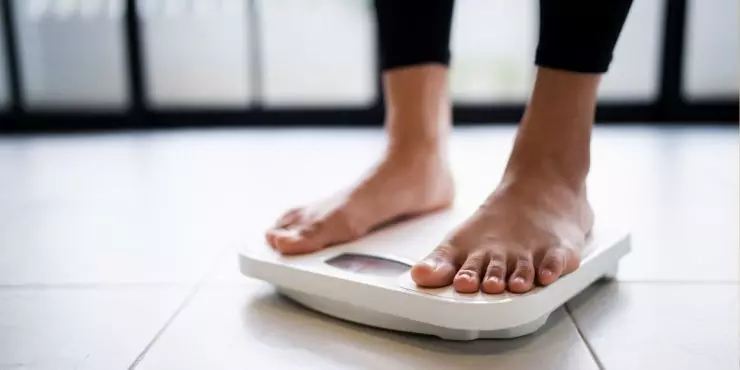
Weight regain after stopping GLP-1 medications is common, though the amount varies significantly from person to person. Several factors influence how much weight returns:
- How much lifestyle change accompanied the medication, including diet and exercise habits built during treatment
- How long the medication was used before stopping
- Whether the medication is stopped abruptly or tapered under medical guidance
- Individual metabolic and genetic factors
Patients who built sustainable habits around protein intake, strength training, and portion awareness while on the medication often retain more of their progress than those who relied on appetite suppression alone. But almost everyone will regain weight after stopping the medication.
What Happens to Blood Sugar
For patients using GLP-1 medications to manage type 2 diabetes, stopping the medication can lead to a return of higher blood sugar levels, since these drugs play a direct role in insulin regulation. This makes the decision to stop especially important to make in close coordination with a physician, since blood sugar changes may require adjustments to other diabetes management strategies.
Physical and Digestive Changes
A few other changes are worth anticipating:
- Digestion often speeds back up to its pre-medication pace, which can mean a return of larger portion tolerance
- Nausea or gastrointestinal side effects some patients experienced on the medication typically resolve
- Energy levels may shift as eating patterns change
Duration and Dosage Affect Side Effects Once Stopping GLP-1
Time on the medication and the dosage can impact the effects experienced after stopping GLP-1. Research suggests that longer treatment duration doesn't necessarily protect against rebound weight regain which tends to happen at a similar rate regardless of how long someone was on a GLP-1 medication. What duration does impact is more time to build the habits that help sustain progress afterward.
Dosage, however, plays a more direct role: stopping abruptly from a higher dose tends to produce a sharper rebound than a gradual taper, which is one of the reasons a physician-guided approach to reducing the medication to a maintenance dose is generally recommended over stopping all at once.
How to Approach Stopping
Deciding to no longer take a GLP-1 medication is a decision that should always involve a physician, both for safety and to build a plan that protects progress already made. It is generally not recommended; however, a doctor can help determine whether a taper makes sense, what lab monitoring might be needed, and how to adjust nutrition and activity goals for the transition. Tapering to a lower maintenance dose is most common.
Patients are never encouraged to adjust their own dosing or stop suddenly without medical guidance, since the right approach depends on the original reason for treatment, current health status, and individual goals. Schedule an appointment with your doctor today to discuss stopping GLP-1 medications.
Frequently Asked Questions
Will I gain back all the weight I lost after stopping a GLP-1 medication?
Not necessarily, but most patients will regain some or all of their weight back. Weight regain varies widely and depends heavily on the lifestyle habits built during treatment, how the medication is tapered or stopped, and individual factors. Working with a physician on a transition plan helps protect progress. It is generally recommended that patients taper to a low maintenance dose long term.
How long does it take for a GLP-1 medication to leave your system?
This depends on the specific medication, but many GLP-1 drugs have effects that fade over several weeks after the last dose due to how long they remain active in the body.
Can you stop a GLP-1 medication suddenly?
Stopping or tapering should always be discussed with a physician first. Depending on the reason for treatment and dosage, a doctor most often recommends a taper rather than stopping abruptly.
Does food noise come back after stopping GLP-1 medications?
For many patients, yes. The reduction in food noise experienced on the medication is often tied to its appetite-regulating effects, which fade once the medication is stopped.
Is it normal for blood sugar to rise after stopping a GLP-1 medication?
For patients using GLP-1 medications to manage blood sugar, some rise after stopping is common and expected. This should be monitored and managed with a physician's guidance.