

GLP-1 medications like Ozempic, Wegovy, Mounjaro, and Zepbound, also known as semeglutide and tirzepitide, have changed the conversation around weight management and blood sugar control in a meaningful way. They work, and they work well for many people. But starting one of these medications is only part of the picture.
What a person eats while taking a GLP-1 shapes the entire experience — how well the medication works, how manageable the side effects are, how much muscle is preserved alongside fat loss, and how sustainable the results are over time. Most people starting a GLP-1 medication receive guidance on the medication itself but very little specific guidance on what to eat while taking it.
That gap matters. Because on a GLP-1, food choices have a bigger impact than they do in almost any other weight management context.
How GLP-1 Medications Change the Relationship With Food H2
Before getting into specific food recommendations it helps to understand what GLP-1 medications are actually doing, because that context explains why nutrition becomes so much more important.
GLP-1 medications work by mimicking a hormone the body naturally produces after eating. They slow the rate at which the stomach empties, reduce appetite signals from the brain, and improve the way the body processes blood sugar. The result is that most people feel full faster, stay full longer, and think about food less often than they did before starting the medication.
This sounds straightforwardly helpful, and it is. But it also creates a challenge that is easy to underestimate. When appetite is significantly suppressed, people eat much less than they did before. The body is still getting the nutrition it needs to function, repair tissue, maintain muscle, support immune function, and regulate hormones — but from a much smaller volume of food. That means every bite counts in a way it simply did not before. Poor food choices on a GLP-1 do not just slow progress. They can genuinely undermine health in ways that are difficult to reverse.
The Most Important Thing: Protein
If there is one nutritional priority that matters above all others on a GLP-1 medication, it is protein.
Here is why. When the body loses weight, it does not lose only fat. It also loses muscle mass, particularly when calorie intake drops significantly. Muscle loss is a problem for several reasons. Muscle is metabolically active tissue, meaning it burns calories even at rest. Losing muscle makes it harder to maintain weight loss over time. It also affects strength, energy, and the ability to stay active, all of which matter significantly for long-term health.
GLP-1 medications reduce appetite enough that many people naturally drift toward eating very little, and when total food intake drops, protein is often the first casualty. A person who is eating two small meals a day and not thinking carefully about protein can lose a meaningful amount of muscle alongside the fat they are trying to lose.
Prioritizing protein at every meal and snack protects against this. General guidance for people on GLP-1 medications suggests aiming for at least 25 to 30 grams of protein per meal, though individual needs vary and a doctor or registered dietitian can provide personalized targets.
Good protein sources to prioritize:
- Eggs and egg whites
- Chicken, turkey, and lean cuts of beef or pork
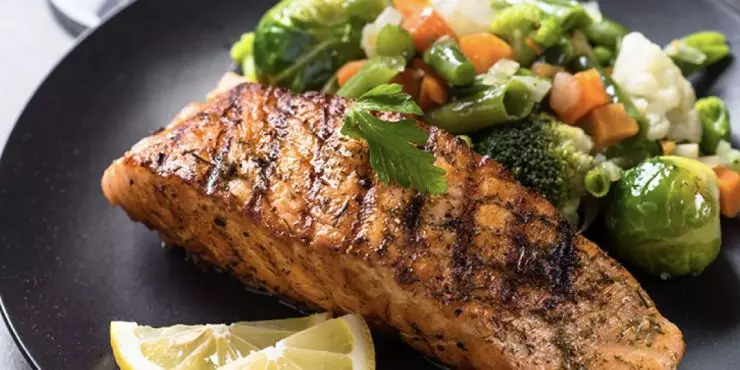
- Fish and seafood, particularly salmon, tuna, and shrimp
- Greek yogurt and cottage cheese
- Legumes including lentils, chickpeas, and black beans
- Tofu and tempeh
- Protein shakes or powders when appetite makes whole food protein difficult
The goal is not to eat large quantities of protein at once. On a GLP-1, large meals are often uncomfortable and work against the medication's mechanism. Instead, spreading protein intake across smaller meals and snacks throughout the day keeps the body consistently supplied without requiring a volume of food that feels overwhelming.
Vegetables and Fiber: The Non-Negotiables
Alongside protein, vegetables and fiber-rich foods are the foundation of eating well on a GLP-1.
Fiber slows digestion, supports stable blood sugar, feeds beneficial gut bacteria, and helps with feelings of fullness. It is also one of the nutrients most likely to be crowded out when overall food intake drops. A person eating very small portions who is not deliberately including vegetables and other fiber sources can end up with a diet that is nutritionally thin even if it looks reasonable on paper.
Non-starchy vegetables are particularly valuable because they deliver substantial nutrition, fiber, and volume for very few calories. This makes them an ideal food on a GLP-1 where every bite needs to work hard nutritionally.
Vegetables worth prioritizing:
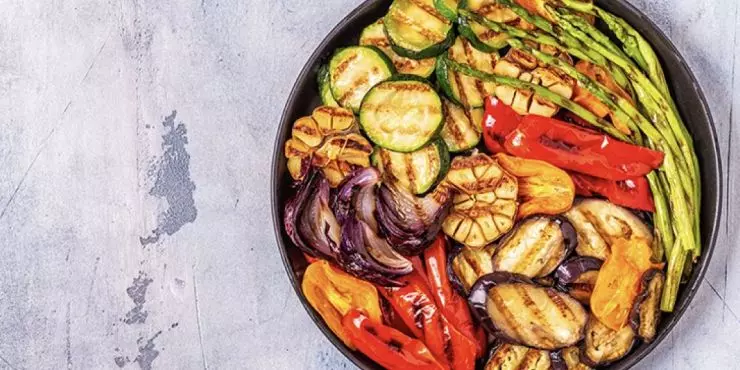
- Leafy greens including spinach, kale, and arugula
- Broccoli, cauliflower, and Brussels sprouts
- Zucchini, cucumber, and bell peppers
- Asparagus, green beans, and snap peas
- Tomatoes, mushrooms, and onions
Fruit is also a good source of fiber and nutrients and fits well into a GLP-1 eating pattern, particularly lower-sugar options like berries, apples, and pears. Whole grains including oats, quinoa, brown rice, and whole wheat provide fiber alongside carbohydrates and fit well in moderate portions.
What to Avoid or Significantly Reduce

Just as important as what to eat is what to avoid. On a GLP-1 medication, certain foods are likely to make side effects significantly worse and can work directly against the medication's goals.
High-fat and fried foods
These are one of the most common triggers for nausea, stomach discomfort, and digestive upset on GLP-1 medications. Because GLP-1 medications already slow gastric emptying, adding high-fat foods that are themselves slow to digest creates a compounded effect that many people find very uncomfortable. Fried foods, heavy cream sauces, fatty cuts of meat, and ultra-processed foods high in fat are worth avoiding especially in the early weeks of treatment.
Sugary drinks and ultra-processed foods
These work against the blood sugar benefits that GLP-1 medications are partly designed to provide. Sodas, juices, sweetened coffees, candy, and highly processed snack foods spike blood sugar quickly in ways that undermine the medication's mechanism. They also deliver very little nutritional value relative to their calorie content, which matters particularly when total food intake is reduced.
Alcohol
Alcohol deserves specific mention. GLP-1 medications can change how the body responds to alcohol in ways that are not fully predictable. Many people find they become more sensitive to alcohol's effects while on these medications, feeling intoxicated more quickly and experiencing more pronounced side effects afterward. Alcohol also stimulates appetite in ways that can work against the medication's appetite-suppressing effect, and it contributes empty calories that displace more nutritious food choices.
High-fiber foods in very large quantities
Occasionally large quantities of high-fiber foods may worsen bloating and gas, which are already common side effects of GLP-1 medications. This is not a reason to avoid fiber. Fiber is important and should be included. It is a reason to introduce fiber-rich foods gradually rather than dramatically increasing intake all at once.
Carbonated drinks
Carbonated drinks, including sparkling water, can worsen the bloating and fullness that many people experience on GLP-1 medications. Flat water is generally better tolerated, particularly in the early weeks of treatment.
Eating Patterns That Work Well on a GLP-1
Beyond what to eat, how to eat changes meaningfully on a GLP-1 medication.
Eat smaller meals more frequently
The stomach empties more slowly on a GLP-1, which means large meals are more likely to cause discomfort, nausea, and prolonged fullness than they would otherwise. Three smaller meals and one or two protein-focused snacks tends to work better than two or three large meals for most people on these medications.
Stop eating before feeling full
This sounds simple but requires genuine attention because the body's fullness signals change on a GLP-1. The point at which food stops being comfortable to eat arrives sooner than it used to. Eating slowly and paying attention to early fullness signals helps avoid the nausea and discomfort that come from eating past the body's new threshold.
Eat deliberately rather than by habit
GLP-1 medications suppress appetite enough that some people forget to eat altogether, or eat so infrequently that nutritional intake becomes inadequate. Eating on a loose schedule rather than waiting for strong hunger signals helps ensure consistent nutrition even when the desire to eat is minimal. Cutting back on your dose of GLP-1 should also be considered.
Prioritize whole foods over processed ones
When eating less overall, the nutritional density of what is eaten becomes significantly more important. A small meal of whole foods delivers far more nutritional value than the same volume of processed food. This is one of the most impactful shifts a person can make on a GLP-1 medication.
Stay hydrated
Adequate hydration supports digestion, helps manage some of the common side effects of GLP-1 medications, and is easy to neglect when appetite suppression reduces the natural cues to drink as well as eat. Aiming for consistent water intake throughout the day, rather than drinking large amounts at once, tends to be better tolerated.
Why This Matters Beyond Weight Loss
One of the most important things to understand about nutrition on a GLP-1 medication is that the stakes extend beyond weight loss progress.
When people eat very little and do not prioritize nutritional quality, they can develop deficiencies in key vitamins and minerals that affect energy, immune function, bone health, and mood. Protein deficiency leads to muscle loss that is difficult to regain. Inadequate fiber affects gut health in ways that can take months to resolve. These are not hypothetical risks — they are being observed clinically in people who are losing weight on GLP-1 medications but not paying attention to what they are eating.
The goal of a GLP-1 medication is not just a lower number on the scale. It is better metabolic health, reduced disease risk, and improved quality of life over the long term. What a person eats while taking these medications determines whether those broader goals are achieved or whether weight loss happens at the expense of overall health.
This is also why medical supervision matters throughout GLP-1 treatment. A provider who is monitoring not just weight but overall nutritional status, muscle preservation, energy levels, and wellbeing is providing fundamentally different care than one who simply renews the prescription. The doctors at Northwest Family Clinics approach GLP-1 management as part of a whole-person care relationship, not an isolated prescription.
Frequently Asked Questions
What should I eat on a GLP-1 medication like Ozempic or Wegovy?
The most important priorities are adequate protein at every meal, plenty of non-starchy vegetables, and fiber-rich whole foods. Because appetite is significantly suppressed on GLP-1 medications, every bite needs to deliver real nutritional value. Lean proteins, vegetables, fruits, legumes, and whole grains form the foundation of eating well on these medications.
What foods should I avoid on a GLP-1?
High-fat and fried foods are among the most common triggers for nausea and digestive discomfort on GLP-1 medications. Sugary drinks, ultra-processed foods, and alcohol should also be significantly reduced. Carbonated beverages can worsen bloating and are often better tolerated when replaced with flat water.
How much protein do I need on a GLP-1 medication?
General guidance suggests aiming for at least 25 to 30 grams of protein per meal, though individual needs vary based on body weight, activity level, and health status. A doctor or registered dietitian can provide a personalized target. Spreading protein across multiple smaller meals and snacks throughout the day is more manageable than trying to meet protein needs in one or two large meals.
Why do I feel so full so quickly on a GLP-1?
GLP-1 medications slow the rate at which the stomach empties, which means food stays in the stomach longer and fullness signals arrive sooner. Eating smaller portions, slowing down during meals, and stopping before feeling completely full helps manage this effect and reduces nausea and discomfort.
Can I drink alcohol on a GLP-1 medication?
Alcohol is best significantly reduced or avoided on GLP-1 medications. Many people become more sensitive to alcohol's effects while on these medications. Alcohol also stimulates appetite in ways that can work against the medication and contributes empty calories that displace more nutritious food choices.
Will I lose muscle on a GLP-1 medication?
Some muscle loss alongside fat loss is common when calorie intake drops significantly. Prioritizing protein intake, staying physically active including strength training when possible, and eating deliberately even when appetite is low all help preserve muscle mass during weight loss on a GLP-1. This is one of the most important reasons nutrition cannot be an afterthought on these medications.
Do I need to follow a specific diet plan on a GLP-1?
There is no single required diet plan for people on GLP-1 medications. The principles that consistently support good outcomes are prioritizing protein, eating plenty of vegetables and fiber, avoiding high-fat and ultra-processed foods, eating smaller, more frequent meals, and stopping before feeling overly full. Just like for someone not on a GLP-1, the Mediterranean diet is recommended.
Should I see a dietitian while on a GLP-1 medication?
Not necessary, but it can be helpful for some. A registered dietitian can provide individualized meal planning that accounts for personal preferences, existing health conditions, and the specific phase of GLP-1 treatment. General guidance from your family doctor provides a useful foundation but personalized guidance may be needed for specific nutritional concerns. If interested, ask your Northwest Family Clinics provider at your next appointment about a referral if this feels like something that would help. Your doctor might recommend one as well if they think you need additional nutrition help.