
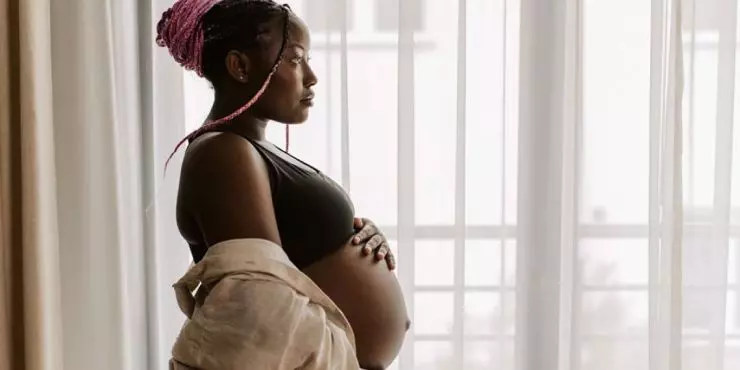
Climbing a flight of stairs leaves a pregnant woman winded. A short walk to the car requires a pause. Simply sitting on the couch prompts a deep involuntary breath. For many women this comes as a genuine surprise, especially early in pregnancy when the belly is barely showing and it seems too soon for the body to be struggling.
Shortness of breath during pregnancy is one of the most common symptoms women experience and one of the least often talked about. It has real physiological explanations, it changes at different stages of pregnancy, and the vast majority of the time it is completely normal. But there are specific signs that make it worth a prompt call to a doctor, and knowing the difference matters.
Here is what the doctors at Northwest Family Clinics want every expecting mom to know.
Why Pregnancy Changes the Way the Body Breathes
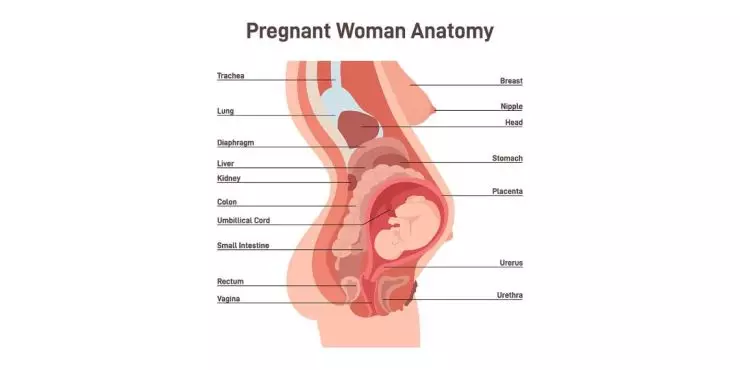
Pregnancy affects the respiratory system in several interconnected ways that begin almost immediately and continue to evolve through all three trimesters.
During pregnancy blood volume increases by 40 to 50 percent. The heart has to work significantly harder to circulate that additional volume throughout the body and to the placenta, and the lungs work harder in direct proportion to the heart's increased demand. This translates to a sensation of breathlessness even at rest or with minimal exertion, often before a pregnancy is even visibly showing.
Progesterone, one of the primary pregnancy hormones, acts directly on the brain's respiratory center and increases the drive to breathe. It causes pregnant women to breathe more deeply and sometimes more frequently than they would otherwise. This is actually beneficial because it increases the oxygen available to the baby, but it can feel like breathlessness or an inability to take a satisfying breath even when oxygen levels are completely normal.
As the uterus grows it pushes upward into the abdominal cavity, gradually compressing the space available to the diaphragm. The diaphragm is the primary muscle of breathing, and when it cannot fully descend with each breath the way it could before pregnancy, each breath moves slightly less air than it used to. This mechanical compression becomes most significant in the third trimester and is one of the primary reasons breathlessness intensifies as pregnancy progresses.
How Breathlessness Changes by Trimester
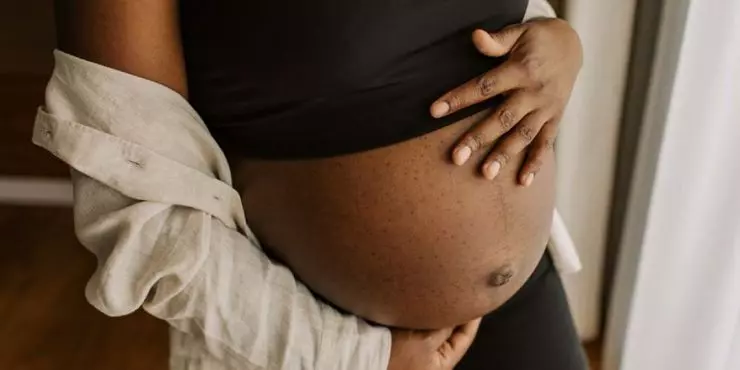
Shortness of breath during pregnancy is not static. It shifts in timing, intensity, and cause across the three trimesters, and knowing what to expect at each stage helps distinguish normal pregnancy changes from something worth discussing with a provider.
First Trimester
Breathlessness in the first trimester is almost entirely driven by progesterone. The uterus has not yet grown large enough to mechanically compress the diaphragm, but many women notice breathlessness, deeper breathing, or a sensation of air hunger as early as 6 to 8 weeks. Blood volume is already beginning to increase, adding to the respiratory load even before the pregnancy is physically apparent.
At this stage breathlessness without chest pain, rapid heart rate, or lightheadedness is typically normal. It often improves slightly in the second trimester before returning more intensely as the pregnancy progresses.
Second Trimester
Many women find breathlessness improves somewhat in the second trimester. Blood volume expansion has stabilized and the body has had time to adapt to the hormonal changes. The uterus is growing but has not yet reached the point of significant diaphragm compression for most women, creating a relative window of easier breathing that many women describe as briefly feeling more like themselves again.
This improvement is temporary but it is a normal part of how pregnancy breathlessness evolves.
Third Trimester
Breathlessness typically returns and intensifies in the third trimester as the uterus reaches its maximum upward displacement of the diaphragm. Simple activities like bending forward, lying flat, or eating a large meal can significantly worsen breathlessness. Many women find it difficult to lie completely flat and sleep much more comfortably propped up on pillows.
The good news is that most third-trimester breathlessness improves significantly once the baby drops lower into the pelvis in the final weeks, a shift called lightening. Once lightening occurs many women notice an almost immediate improvement in their ability to breathe deeply.
Practical Ways to Manage Breathlessness During Pregnancy
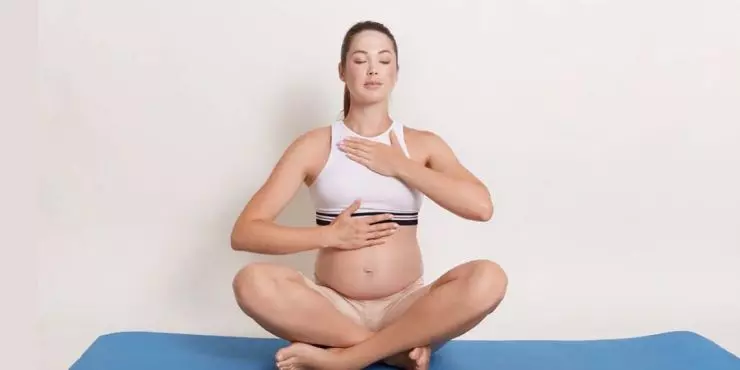
While normal pregnancy breathlessness cannot be eliminated entirely, several practical adjustments make it significantly more manageable day to day.
Posture makes a meaningful difference throughout pregnancy. Sitting and standing tall rather than slouching gives the diaphragm more room to move, and avoiding slumping forward directly reduces the compression that worsens breathlessness. When sitting for long periods a small pillow behind the lower back supports an upright position without effort.
Sleep position matters especially in the third trimester. Lying flat on the back can worsen breathlessness and is also discouraged in late pregnancy for circulatory reasons. Sleeping on the left side with a pregnancy pillow and propping the upper body up at an angle with extra pillows helps manage breathlessness that is most noticeable at night.
Eating smaller meals more frequently throughout the day rather than three large meals reduces the upward pressure a full stomach places on the already compressed diaphragm. Remaining seated or standing for 30 to 60 minutes after eating prevents this from being compounded by lying down too soon.
Slowing down during physical activity is sensible and safe. Breathlessness during exercise that resolves quickly with rest is normal. Breathlessness that does not resolve with rest is worth noting and discussing with a provider.
Breathlessness Signs That Are Normal
- Comes on gradually rather than suddenly
- Is mild to moderate
- Improves meaningfully with rest
- Does not interfere significantly with the ability to speak in full sentences and is not accompanied by chest pain, chest tightness, or a racing heart
- Tends to vary with position, improving when sitting upright and worsening when lying flat, and it is consistent with the stage of pregnancy.
Signs That Warrant a Call to the Doctor
Most pregnancy breathlessness is benign but several patterns indicate something that needs prompt evaluation. A call to the doctor is appropriate if breathlessness:
- Comes on suddenly rather than gradually
- Is severe enough to interfere with completing a sentence
- Is accompanied by chest pain or chest tightness
- Comes with a rapid or pounding heartbeat
- Is accompanied by a persistent cough especially if it produces blood or pink-tinged mucus
- Causes lightheadedness, dizziness, or fainting
- Is associated with sudden significant swelling in the legs
- Does not improve at all with rest
- Worsens significantly and rapidly over a short period
These symptoms can indicate conditions including a pulmonary embolism, pregnancy-related heart conditions, significant anemia, or pre-eclampsia — all of which require prompt evaluation. Pregnant women have a higher risk of blood clots than the general population due to changes in blood clotting factors that occur during pregnancy, which is why sudden or severe breathlessness should always be taken seriously rather than attributed to normal pregnancy changes.
Anemia and Breathlessness — A Common Connection
Iron-deficiency anemia is one of the most common pregnancy complications and one of the most frequently missed explanations for worsening breathlessness. When red blood cell count is low the blood carries less oxygen with each circulation, and the body compensates by breathing faster and harder, which produces significant breathlessness as a result.
Signs that anemia may be contributing include unusual fatigue beyond normal pregnancy tiredness, paleness of the skin or inside the lower eyelids, heart palpitations, breathlessness that feels disproportionate to the level of exertion, and headaches that are not otherwise explained. Routine blood work at prenatal visits screens for anemia, and it is highly treatable with iron supplementation and dietary adjustments. Breathlessness often improves meaningfully once anemia is addressed.
When to Go to the Emergency Room
Certain combinations of symptoms during pregnancy require emergency evaluation rather than a phone call to the clinic. Go to the emergency room immediately if there is sudden severe shortness of breath with chest pain, coughing up blood or pink-tinged mucus, loss of consciousness or near loss of consciousness, a bluish color to the lips or fingertips, or severe rapid breathlessness that came on within minutes.
These symptoms are rare but they are medical emergencies. Pregnant women should never hesitate to seek emergency care out of concern about overreacting. Seeking care that turns out to be unnecessary is always the right choice over delaying care that was needed.
Frequently Asked Questions
Is it normal to feel out of breath during pregnancy?
Yes. Shortness of breath is one of the most common pregnancy symptoms and typically begins in the first trimester due to hormonal changes before returning more intensely in the third trimester as the uterus displaces the diaphragm. Most pregnancy breathlessness is normal and manageable with practical adjustments.
Why am I already short of breath so early in pregnancy? H3
Early pregnancy breathlessness is primarily driven by progesterone, a pregnancy hormone that acts on the brain's respiratory center and increases the drive to breathe more deeply. This happens before the uterus is large enough to mechanically affect breathing and can begin as early as 6 to 8 weeks.
Does shortness of breath get worse in the third trimester?
For most women, yes. The uterus reaches its maximum upward displacement of the diaphragm in the third trimester, which restricts how deeply each breath can be taken. Breathlessness typically improves once the baby drops lower into the pelvis in the final weeks of pregnancy.
When should I call my doctor about shortness of breath during pregnancy?
Call promptly if breathlessness comes on suddenly, is severe, is accompanied by chest pain or rapid heart rate, causes lightheadedness or fainting, or does not improve with rest. Normal pregnancy breathlessness is gradual, mild to moderate, and improves with rest.
Can anemia cause shortness of breath during pregnancy?
Yes. Iron-deficiency anemia is one of the most common causes of worsening breathlessness during pregnancy. When red blood cell count is low the body compensates by working harder to breathe. Routine blood work at prenatal visits screens for anemia and it is highly treatable when identified.
What sleeping position helps with shortness of breath during pregnancy?
Sleeping on the left side propped up with pillows is the most effective position. Lying flat on the back worsens breathlessness and is also discouraged in late pregnancy for circulatory reasons. A pregnancy pillow that supports the upper body at an angle can make a significant difference for women whose breathlessness is most noticeable at night.
Is shortness of breath a sign of pre-eclampsia?H3
Breathlessness alone is not a typical sign of pre-eclampsia. However breathlessness that occurs alongside severe headache, visual changes, sudden significant swelling, or upper abdominal pain warrants prompt evaluation because together these symptoms can indicate pre-eclampsia.