

Minnesota summers have a way of surprising people. After months of cold and gray, the warmth feels like a gift, and families want to be outside soaking up every bit of it. Most of the time that instinct is exactly right. Fresh air, movement, and sunshine are good for kids.
But Minnesota summers can also get genuinely dangerous. Heat index readings above 100 degrees are not unusual in July and August, and children and babies are far more vulnerable to heat-related illness than adults. They heat up faster, they cool down more slowly, and they cannot always tell a parent when something feels wrong.
Knowing when it is too hot to be outside, what to watch for, and how to keep the whole family safe when temperatures climb makes it possible to enjoy the season without putting anyone at risk.
Why Children Are More Vulnerable to Heat
It helps to understand why heat affects children differently than adults before getting into the specifics of when to stay inside.
Children's bodies are less efficient at regulating temperature than adult bodies. They produce more heat relative to their body size during physical activity, they sweat less efficiently, and their internal thermostats are simply not as well developed. All of this means they can go from fine to overheated much faster than a parent might expect.
Babies under 12 months are especially vulnerable for a few additional reasons:
- They cannot sweat effectively at all, which is the body's primary cooling mechanism
- They cannot tell anyone they are too hot, thirsty, or uncomfortable
- They rely entirely on caregivers to regulate their environment
- They can overheat in situations that would feel only mildly warm to an adult
A baby left in a hot car, kept in a hot room without airflow, or bundled in too many layers on a warm day can develop heat illness very quickly. The same applies to being outside in direct sun during peak heat hours.
When Is It Actually Too Hot to Be Outside?
There is no single temperature that applies to every child in every situation, but there are clear guidelines worth knowing.
For babies under 6 months
Direct outdoor exposure should be avoided when temperatures are above 80 degrees, especially with high humidity. Babies this age have almost no ability to regulate their own body temperature and should not be in direct sunlight at any temperature.
For babies 6 to 12 months
Use the heat index, not just the thermometer. When the heat index, which factors in humidity, reaches 90 degrees or above, outdoor time should be very limited, kept to shaded areas, and avoided during peak hours between 10am and 4pm.
For toddlers and older children
When the heat index reaches 90 degrees, outdoor activity should be modified — shorter windows, more frequent water breaks, shade whenever possible, and no intense physical activity. When the heat index hits 103 degrees or above, keeping children inside is the safest choice.
The heat index matters more than the temperature alone
A 90-degree day with 60 percent humidity feels like over 100 degrees to the body and creates the same risk. Minnesota's summer humidity makes this especially relevant — a day that sounds manageable by the number on the thermometer can be genuinely dangerous once humidity is factored in.
The Warning Signs Everyone Should Know
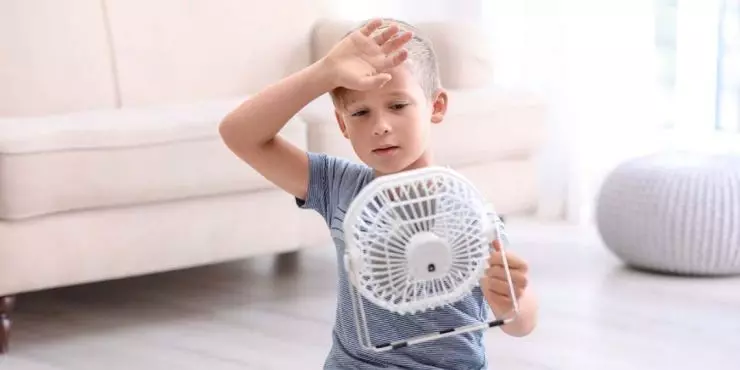
Heat-related illness exists on a spectrum, and catching it early makes all the difference. The two main conditions to know are heat exhaustion and heat stroke, and they look different from each other.
Heat Exhaustion
Heat exhaustion is the warning stage. The body is struggling to cool itself but is still trying. Signs include:
- Heavy sweating
- Pale, cool, or clammy skin
- Weakness or unusual tiredness
- Dizziness or lightheadedness
- Nausea or vomiting
- Headache
- Muscle cramps
- Fast but weak pulse
A child showing signs of heat exhaustion needs to be moved to a cool environment immediately, given cool fluids if they are alert enough to drink, and have cool wet cloths applied to the skin. Most cases of heat exhaustion improve within 30 minutes with these measures. If symptoms are not improving or the child seems confused or stops sweating, that is an emergency.
Heat Stroke
Heat stroke is a medical emergency. The body's cooling system has failed and internal temperature is rising to dangerous levels. Signs include:
- Hot, red, dry or damp skin
- Rapid, strong pulse
- Confusion, slurred speech, or unusual behavior
- Loss of consciousness
- Stopping sweating despite the heat
- Body temperature above 103 degrees
If a child shows signs of heat stroke, call 911 immediately. While waiting for help, move them to a cool area and cool them down as quickly as possible using whatever is available — cool water, ice packs to the neck and armpits, a cool bath. Heat stroke can cause permanent organ damage and be fatal if not treated promptly.
Special Signs to Watch For in Babies
Babies cannot communicate distress the way older children can, so the signs to watch for look different:
- Skin that is hot and dry or unusually flushed
- Fewer wet diapers than normal
- Crying more than usual without an obvious cause
- Seeming unusually lethargic or difficult to rouse
- Refusing to feed
Any baby who seems unusually unwell on a hot day warrants a call to the doctor without delay.
How to Keep Kids Safe in the Heat
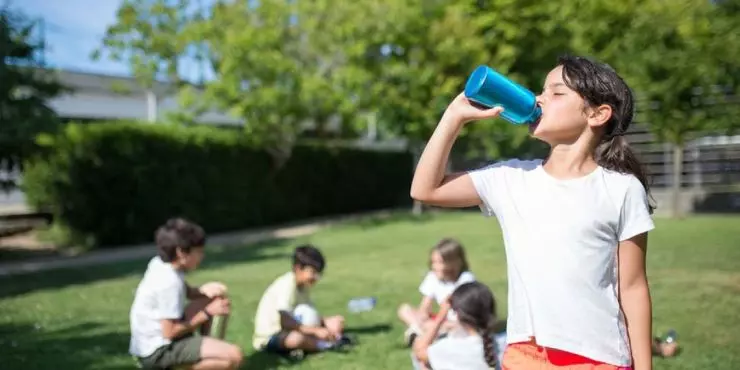
The good news is that heat illness is very preventable with a few consistent habits.
Hydration is the most important thing
Children need to drink more water in hot weather than they naturally feel like drinking. On hot days, offer water regularly rather than waiting until children say they are thirsty — thirst is a late signal that mild dehydration has already begun. For babies who are breastfeeding, more frequent nursing sessions help maintain hydration. Babies under 6 months should not be given water — breast milk or formula provides all the fluid they need.
Time outdoor activities wisely
The hours before 10am and after 4pm are significantly cooler and safer than midday. Saving active outdoor play for the early morning or early evening makes hot days much more manageable without keeping kids cooped up inside all day.
Dress children appropriately
Lightweight, loose, light-colored clothing in breathable fabrics like cotton helps the body stay cooler. Hats with brims protect the face and head from direct sun. Avoid dark colors that absorb heat and avoid overdressing babies in particular — a single layer is usually plenty in hot weather.
Never leave a child in a parked car
A car's interior temperature can rise 20 degrees in just 10 minutes and 50 degrees within an hour. On an 80-degree day the inside of a parked car can reach 130 degrees. Children have died from being left in cars for what parents intended to be "just a minute." There is no safe amount of time for a child to be in a parked car in warm weather.
Use shade and water strategically
Outdoor activities in direct sun are significantly hotter than the same activities in shade. Sprinklers, splash pads, and kiddie pools are excellent tools for keeping children active and cool at the same time. Cooling them down with a damp cloth or misting bottle during outdoor time helps too.
Know the difference between sunscreen and sun avoidance for babies
Babies under 6 months should be kept out of direct sun entirely rather than relying on sunscreen — their skin is too sensitive for most sunscreen formulas and direct sun exposure poses real risk at this age. For babies over 6 months, mineral sunscreens with zinc oxide or titanium dioxide are the gentlest and most appropriate choice.
Watch for signs of overheating proactively
Checking on children regularly during outdoor play, rather than waiting for them to complain, catches heat-related symptoms earlier when they are easiest to manage.
What About the Car Ride There?
Something parents do not always think about is the heat exposure that happens during car travel on hot days. Car seats and safety belt buckles can become dangerously hot when a car has been sitting in the sun. Before placing a child in a car seat, check the buckles and straps by touching them — metal components in particular can cause burns quickly.
Running the air conditioning for a few minutes before putting children in the car and using a sunshade on the windshield while parked both make a meaningful difference. Sunshades and car seat covers are widely available and worth keeping in the car throughout summer.
Indoor Alternatives When It's Too Hot Outside

Keeping active children entertained indoors on the hottest days is genuinely challenging, but there are good options.
- Indoor play spaces and trampoline parks stay cool and provide real physical activity
- Public libraries in the Twin Cities and surrounding communities are air-conditioned and often have children's programming
- Indoor pools and community recreation centers are excellent options for water play without the heat risk of outdoor splash pads during peak hours
- Mall walking and indoor errands give kids a change of scenery with a break from the heat
- Simply planning a midday indoor rest period, even if children are not napping, and saving outdoor time for morning and evening keeps the day manageable
A summer that moves between outdoor time in the cooler parts of the day and indoor activity during peak heat is a perfectly healthy and enjoyable summer. It just requires a little more intention about timing.
When to Call the Doctor
Most heat-related concerns can be managed at home with the right response. There are specific situations that warrant a visit to Northwest Family Clinics or a visit to our urgent care:
- A child who showed signs of heat exhaustion and is not improving after 30 minutes of cooling measures
- A baby who has fewer wet diapers than normal or seems unusually lethargic on a hot day
- A child who is not drinking fluids and shows signs of dehydration
- Any child who seemed confused, disoriented, or lost consciousness in the heat, even briefly
And to be clear — heat stroke is always an emergency. Call 911 first and cool the child down while waiting for help.
Frequently Asked Questions
At what temperature is it too hot for kids to be outside?
There is no single temperature that applies to every child, but the heat index is a more useful measure than air temperature alone. When the heat index reaches 90 degrees, outdoor time should be limited and modified. When it reaches 103 degrees or above, keeping children inside is the safest choice. Babies under 6 months should avoid direct outdoor exposure when temperatures exceed 80 degrees.
How do I know if my baby is too hot?
Signs a baby is overheating include skin that is hot, dry, or flushed, fewer wet diapers than usual, unusual fussiness, lethargy or difficulty rousing, and refusal to feed. Babies cannot sweat effectively and rely entirely on caregivers to manage their environment. When in doubt on a hot day, bring a baby indoors and schedule a visit with your doctor.
What is the difference between heat exhaustion and heat stroke?
Heat exhaustion is the warning stage — the body is still sweating and trying to cool itself. Signs include heavy sweating, pale or clammy skin, weakness, dizziness, and nausea. Heat stroke is a medical emergency — the body's cooling system has failed. Signs include hot dry skin, confusion, rapid strong pulse, and loss of consciousness. Heat stroke requires calling 911 immediately.
Can babies wear sunscreen?
Sunscreen is not recommended for babies under 6 months — their skin is too sensitive and they should be kept out of direct sun using shade and clothing instead. For babies over 6 months, mineral sunscreens containing zinc oxide or titanium dioxide are the safest and gentlest choice.
How much water should kids drink on hot days?
Children need more water than usual in hot weather and should be offered water regularly rather than waiting until they feel thirsty. Thirst is a late indicator that mild dehydration has already started. Breastfed babies under 6 months get all the fluid they need from breast milk and should not be given additional water.
Is it safe to leave a child in the car briefly on a warm day?
No. A car's interior temperature can rise 20 degrees in just 10 minutes even with the windows cracked. On an 80-degree day the inside of a parked car can reach 130 degrees. Children have died from being left in cars for very short periods. There is no safe amount of time for a child to be in a parked car in warm weather.
What should I do if my child shows signs of heat exhaustion?
Move them to a cool environment immediately, remove excess clothing, apply cool wet cloths to the skin, and offer cool fluids if they are alert enough to drink. Most cases improve within 30 minutes. If symptoms are not improving, if the child stops sweating, or if they seem confused or lose consciousness, call 911 immediately.