
One of the hardest parts of parenting is knowing when to wait and when to act.
Maybe your toddler says only a handful of words while other children the same age seem to carry on conversations. Perhaps they don't always respond when you call their name, or they seem happiest playing by themselves instead of with other children. You might find yourself wondering whether they're simply developing at their own pace or if these differences could be signs of something more.
These are conversations we have with parents every day, and they're never silly questions. In fact, they're exactly the kinds of concerns we want parents to bring up in a visit.
The good news is that speech delays and social differences don't automatically mean a child has autism. At the same time, recognizing potential concerns early gives children the greatest opportunity to receive support if they need it.
Not Every Speech Delay Is Autism

One of the biggest misconceptions we hear is that a child who isn't talking on schedule must have autism.
That's simply not true.
Speech delays can happen for many different reasons. Some children are simply late talkers and catch up without intervention. Others may have hearing loss, oral motor challenges, developmental language disorders, or simply need additional time and support to develop communication skills.
In fact, according to the Centers for Disease Control and Prevention, about 1 in 12 children between the ages of 3 and 17 has experienced a disorder related to voice, speech, language, or swallowing at some point. Many of these children do not have autism.
While speech delays are common in children with autism, they are only one piece of a much larger developmental picture.
Autism Is About More Than Communication

When healthcare providers evaluate a child for autism, we're looking at much more than whether they're talking.
Autism affects how a child communicates, interacts socially, and experiences the world around them. Every child is different, but providers often look for patterns that may include:
- Limited eye contact or shared attention
- Not consistently responding to their name
- Difficulty engaging in back-and-forth interactions
- Delayed language development or unusual speech patterns
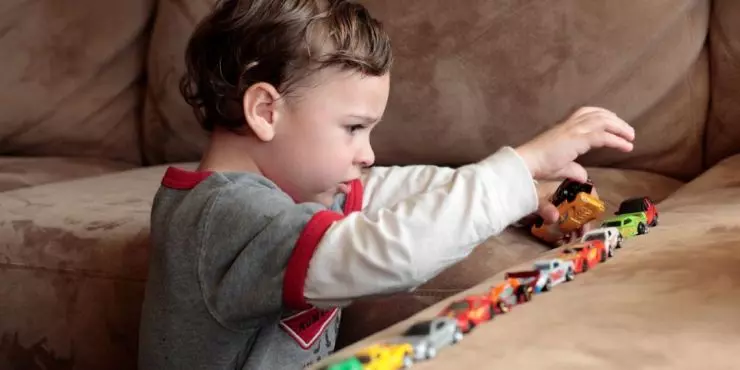
- Repetitive movements or repetitive play
- Strong preferences for routines
- Intense interests in specific topics or objects
- Sensitivity to sounds, textures, lights, or other sensory experiences
It's important to remember that no single behavior confirms or rules out autism. Many typically developing children display one or two of these behaviors from time to time. What matters is the overall pattern, how long it's been present, and whether it's affecting daily life.
Every Child with Autism Looks Different

One reason autism can be difficult to recognize is because there isn't one "typical" presentation.
Some children have significant language delays, while others develop advanced vocabularies. Some are very social but struggle to understand social cues. Others seem to prefer playing independently.
This is why you'll often hear the phrase "autism spectrum disorder." The spectrum reflects the wide range of strengths, challenges, and support needs among children with autism.
Today's understanding of autism is also very different than it was even 20 years ago. Providers recognize that autism can present differently from child to child, including between boys and girls, making individualized evaluation more important than ever.
What Should Parents Watch For?
Parents often ask if there's one clear sign they should be looking for.
In reality, it's usually a combination of behaviors rather than one specific milestone.
You may want to bring concerns to your provider if your child:
- Isn't using words or gestures in ways you'd expect for their age
- Rarely points to share interest with others
- Doesn't consistently respond to their name
- Shows limited interest in interacting with family members or other children
- Has repetitive behaviors that interfere with everyday activities
- Seems unusually distressed by changes in routine
- Loses skills they previously had, such as words or social interactions
One of the most important signs is regression. If a child suddenly loses language, social skills, or developmental milestones they had already mastered, it's important to schedule an appointment with your healthcare provider promptly.
Why Early Evaluation Matters
Parents sometimes worry that bringing up concerns means they're putting a label on their child.
In reality, an evaluation is simply a way to gather more information.
Research consistently shows that children who receive early intervention often make meaningful gains in communication, learning, and social development. Because a child's brain develops so rapidly during the first few years of life, early support can have a lasting impact, regardless of whether a child ultimately receives an autism diagnosis.
Even if an evaluation shows your child is simply developing differently, many families leave with reassurance and practical strategies they can begin using right away.
What Happens If I Bring Up a Concern?
The first step is usually much simpler than parents expect.
During a well-child visit, your provider will ask questions about your child's development, observe how they interact, and may use standardized developmental screening tools. If concerns remain, your child may be referred for additional evaluation or to specialists such as developmental pediatricians, psychologists, speech-language pathologists, or occupational therapists.
That doesn't necessarily mean your child has autism. It simply helps ensure they receive the support that's most appropriate for their individual needs.
Trust What You're Seeing
One of the things I remind parents most often is that you know your child better than anyone else.
If you've found yourself wondering whether your child's communication or social development seems different, don't wait until you're certain something is wrong before asking about it. Some concerns turn out to be part of typical development, while others benefit from earlier evaluation and support.
Either way, having the conversation is never the wrong decision.
Our goal isn't to find a diagnosis. It's to understand your child, answer your questions, and help them continue growing with confidence.
Frequently Asked Questions
At what age can autism be diagnosed?
Some children show signs during infancy or toddlerhood, and autism can often be reliably diagnosed by around age 2. However, many children are diagnosed later, particularly if their symptoms are more subtle.
Does a speech delay always mean autism?
No. Speech delays can occur for many different reasons, including hearing loss, developmental language disorders, or simply being a late talker. An evaluation helps determine the underlying cause.
Should I wait to see if my child catches up?
If you're concerned, it's always worth scheduling an appointment with your provider. Many children do catch up, but early evaluation ensures that children who need support don't miss valuable opportunities for intervention.
What if my child is diagnosed with autism?
An autism diagnosis doesn't define your child or limit their future. It simply provides information that helps families access therapies, educational resources, and support tailored to their child's unique strengths and needs.