
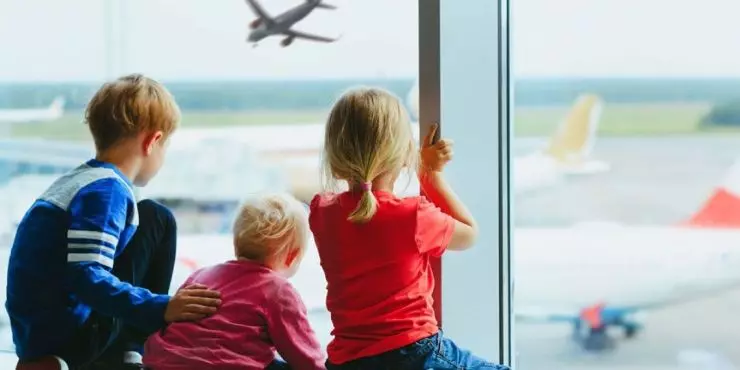
Spring break often brings a welcome chance to escape winter and make memories with your family. But for many parents, especially those flying with a baby or young child for the first time, travel can also bring stress, unpredictable sleep schedules, and concerns about keeping everyone healthy.
With a little preparation, your trip can feel smoother, calmer, and more enjoyable. Here are practical tips to help you travel confidently this spring.
Preparing a Sick-Kit for Travel
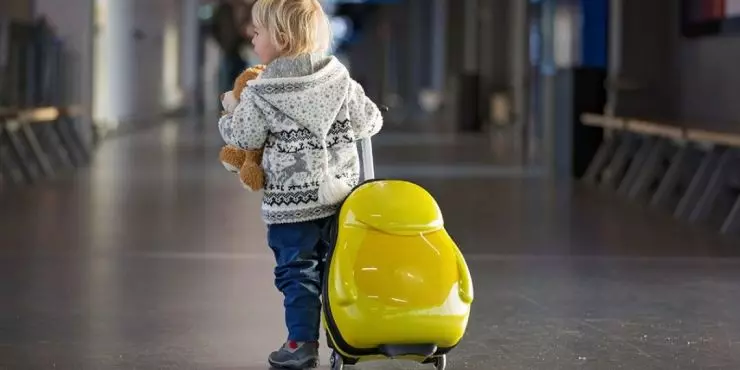
Children always seem to come down with something at the most inconvenient times, and travel increases exposure to new germs. A simple, well-stocked sick-kit can help you feel prepared wherever you go.
What to Pack
Thermometer
A small, digital thermometer lets you check temperatures quickly.
Pain and fever relievers
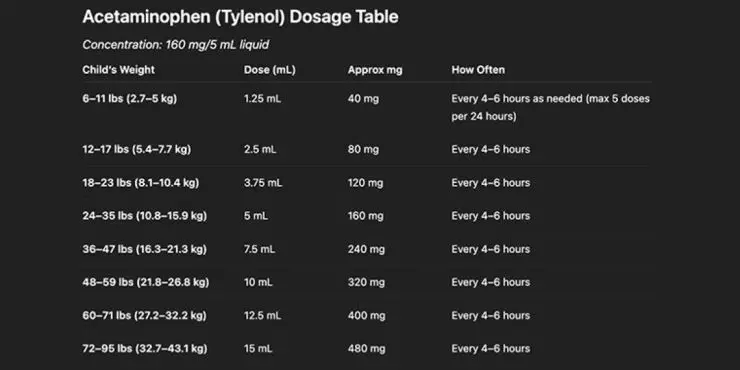
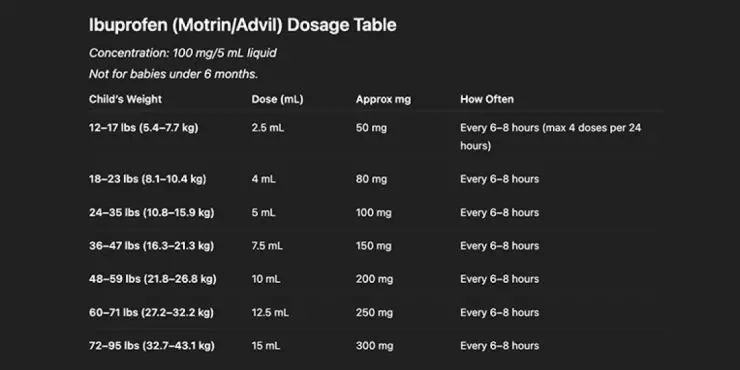
Bring infant or children’s acetaminophen or ibuprofen (if your child is over 6 months). Make sure you pack the correct dosing syringe.
Saline spray and a nasal suction tool
Helpful for congestion on the plane and during dry hotel stays.
Electrolyte packets or solution
Great to have on hand if your child gets sick, vomits, or becomes dehydrated in warm weather.
Children’s allergy medication
Useful for new environments, pollen exposure, or unexpected reactions.
Hydrating ointments
Vaseline or Aquaphor for chapped cheeks, dry noses, or airplane dryness.
Bandages and basic first-aid items
Include small bandages, antibiotic ointment, and alcohol wipes. Learn more about basic first aid basics that every parent should know.
Disinfecting wipes
Helpful for airplane trays, armrests, and restaurant highchairs.
Hand sanitizer
Keep one with you and one in your carry-on.
Backup clothes
Especially for babies and toddlers, since spills and diaper leaks happen often while traveling.
Optional Items That Can Be Helpful
- Motion sickness medicine for older children (ask your provider first)
- A small travel humidifier for hotel rooms
- Any prescription medications filled ahead of time, with an extra dose or two packed separately in case luggage is delayed
A travel sick-kit keeps minor illnesses manageable and helps avoid last-minute pharmacy runs in a new city.
Sleep Strategies for Traveling With Babies and Young Kids
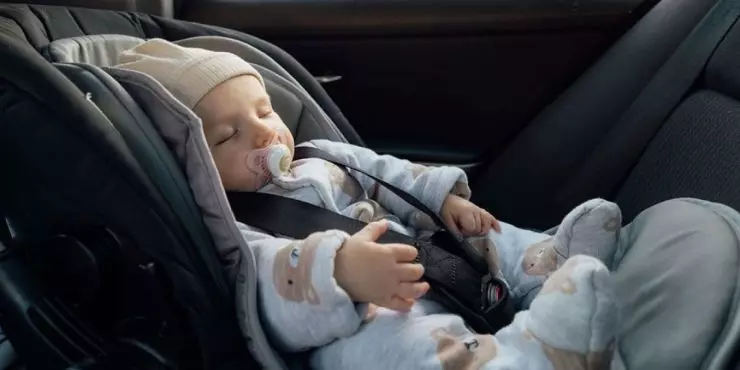
Travel disrupts routines, and changes in sleep can make even the happiest trip feel challenging. A few simple strategies can help your child adjust more smoothly.
Create Familiarity Wherever You Go
Bring comfort items your child associates with sleep. This might include:
- A favorite stuffed animal
- Their usual sleep sack or pajamas
- A small, portable white noise machine
- Their pillowcase or blanket (for older kids)
Familiar smells and sounds help children settle more easily in an unfamiliar place. Also, remember that your child may be more clingy than normal being in a new place. Give them extra snuggles to ensure they feel secure.
Try to Match Your Child’s Existing Routine
You may not be perfectly on schedule while traveling, and that’s okay. Aim to keep bedtime steps similar:
- Bath, pajamas, books, cuddles
- Dimming lights and quiet activities
- Predictable wind-down time, even if the clock shifts a bit
Kids rely on cues more than specific hours, do your best to keep their routine feeling the same to protect their sleep schedule.
Manage Travel-Day Naps
If your child naps:
- Let babies nap whenever needed on travel days and if possible try to schedule travel time (time in car, airplane, trains, etc) around their nap schedule. This means booking an overnight flight for example so your child can sleep while traveling.
- For toddlers and preschoolers, protect at least one nap if possible, even if it's shorter than usual. Again, try to plan your travel in advance around when your child usually naps to ensure they are getting their normal daily nap. As any parent knows, naps can truly make or break your entire day.
If You Are Changing Time Zones
Time zone changes generally are actually harder on mom and dad than the kiddos, but some small tips can help reduce jet lag for the whole family. These include:
- For trips 1 to 2 time zones away, adjust bedtime 15 to 20 minutes earlier or later each day before you leave to try and better adjust to the new timezone you will be in.
- For longer time zone changes, shift meals and naps slowly toward the new schedule once you arrive. Plan for at least one full day to allow your child to reset and become accustomed to the new time zone.
- Sunlight in the morning helps reset internal clocks faster, however, if you are traveling somewhere that is experiencing longer daylight be sure your accommodations include black out curtains to create a bedtime atmosphere even while the sun is shining bright at 9pm.
Sleeping on Planes
Sleeping on planes is ideal for small children and for parents' peace. Here are some tips to help create a better sleep environment when flying:
- For babies, feed during takeoff and landing to help with ear pressure.
- Use a supportive pillow to allow your child to sleep on you comfortably during the flight.
- If your child will wear headphones, use noise cancelling headphones to ensure outside noise will not wake them.
- When the seatbelt sign is off you may need to walk with your little one to help them gently rock to sleep.
- If budget allows, opt for the larger seats. This can help make it easier for your child to get comfortable in their own seat to sleep.
- Have their comfort items like a favorite blanket, stuffed animal, etc. on hand to help them feel ready for sleep.
Airplane Tips for First-Time Parents Who Are Flying With Kiddos
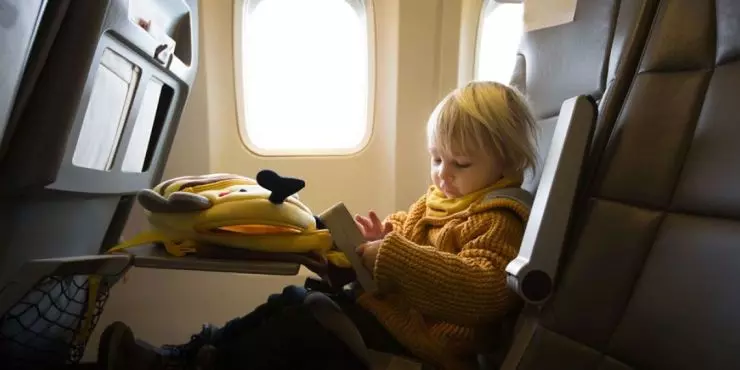
Flying with a baby or young children can feel intimidating, but small adjustments can make it much easier.
Feeding During Takeoff and Landing (for baby)
The change in cabin pressure can make ears uncomfortable. Nursing, bottle feeding, or offering a pacifier helps equalize pressure and reduces fussiness.
Managing Gear
Allow extra time at the airport. Families can usually pre-board, and gate-checking strollers and car seats is free on most airlines. Wear your baby if possible to keep hands free. Do your best to pack wisely while not overpacking, because remember you have to carry all of that stuff around the airport with you if it is in your carry on bags.
Pro tip: If there are two parents, have one parent board early with the bags, stroller, etc. Once boarded they will then get the bags organized and can wipe down the high touch surfaces on the plane with disinfecting wipes. The other parent then waits until the very end to board so your children are not sitting on the plane for as long. Another benefit, you will not have the high traffic of people walking by you while boarding, increasing the risk of exposure to unwanted germs.
Expect Changes in Temperament
Even the calmest baby may cry on the plane. This is normal. The loud cabin noise often lulls babies to sleep, so once they settle, they may nap longer than expected. Your toddler or older child may also struggle a bit with being confined to a plan seat. Do your best to remain calm and offer them items that will help keep them content.
Keep Essentials Within Reach
For babies, pack a small in-seat bag with essentials:
- Diapers, wipes and butt cream
- Two changes of clothes for baby
- One change for you
- Snacks or milk
- Pacifiers
- Small toys
For older children, pack a small in-seat bag with essentials:
- Snacks
- Drinks
- Favorite toys and entertainment
- Headphones if you plan to allow them to watch a device
Helping Kids Stay Healthy While Traveling
Because travel increases germ exposure, a few habits can make a big difference:
- Wipe down high touch surfaces with disinfectant wipes that your child will come in contact with
- Encourage handwashing before meals and after airports
- Keep noses moisturized with saline spray in dry climates
- Maintain hydration in warm or high-altitude destinations
- Offer extra fruits and vegetables for vitamin support
- Bring layers to avoid getting chilled outdoors or overheated indoors
When to Reach Out to Your Provider
Consider scheduling an appointment with your provider before you travel if:
- Your child has chronic medical conditions
- You are unsure which medications you can bring
- Your baby has had recurrent ear infections or trouble with ear pressure
- Your child may need travel vaccines or preventive medicine
Travel Stress, You Got This
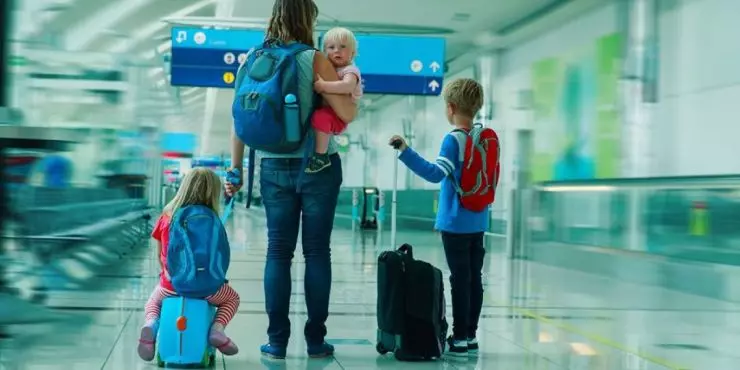
Traveling with little ones takes planning and patience, especially in the early years. You won’t do every routine perfectly and that’s okay. Kids are adaptable, and most families find their rhythm by day two or three of vacation.
If you ever need support preparing for travel, managing illness on the go, or troubleshooting sleep changes, our team at Northwest Family Clinics is always here to help.