

Ear infections are one of the most common reasons kids see the doctor—and if you’ve ever had a child clutch their ear and cry in the middle of the night, you know how quickly things can escalate.
The good news? Most ear infections in older kids aren’t emergencies, and many clear up on their own. But knowing when to treat, how to ease discomfort, and when to keep a closer eye can help you make confident decisions and keep your child comfortable.
Let’s walk through the basics.
What Exactly Is an Ear Infection?

Most ear infections affect the middle ear, the small, air-filled space behind the eardrum. It’s connected to the back of the throat by a narrow tube (the eustachian tube) that helps drain fluid and equalize pressure.
When your child has a cold or allergies, that tube can get swollen or blocked. Fluid builds up, bacteria or viruses get trapped, and pressure increases—leading to inflammation and pain.
This is why ear infections often follow upper respiratory infections.
Common Signs to Look For
In babies and toddlers, signs of an ear infection can be subtle: tugging at the ears, increased fussiness, trouble sleeping, or poor feeding.
But in older kids, symptoms tend to be more obvious:
- Ear pain, especially when lying down
- Complaints of pressure or a “full” feeling
- Difficulty hearing or muffled sounds
- Low-grade fever
- Fluid or pus draining from the ear (if the eardrum has ruptured)
If your child suddenly seems off-balance, complains of ear pain, or has a cold that’s not improving after a few days, it’s worth taking a closer look.
Pain Relief Comes First

When it comes to treating ear infections, relieving pain is often the top priority—especially in the first 24 to 48 hours.
Here’s what helps most:
- Ibuprofen or acetaminophen: These reduce both pain and fever. Use the appropriate dose for your child’s age and weight, and don’t be afraid to stay on top of it if discomfort persists.
- Warm compresses: A warm washcloth held against the ear can offer soothing relief.
- Elevating the head: Keeping your child’s head slightly elevated (with an extra pillow for older children) can help with drainage and reduce pressure.
- Distraction: Books, quiet activities, and screen time are totally fair game during recovery.
Remember: antibiotics don’t provide immediate relief—so managing discomfort at home is an important first step no matter what.
Watchful Waiting: Why Not All Ear Infections Need Antibiotics
This often surprises parents, but many ear infections, especially mild ones, will resolve on their own without antibiotics.
In fact, guidelines from the American Academy of Pediatrics recommend a “watchful waiting” approach for certain kids:
- Children over 2 years old
- Mild symptoms (low fever, manageable pain)
- No drainage or signs of serious illness
Why wait?
Because overuse of antibiotics can lead to resistance, upset stomachs, and unnecessary side effects. If your child is generally well-appearing, eating, sleeping, and the pain is manageable—giving it 48–72 hours can be safe and effective.
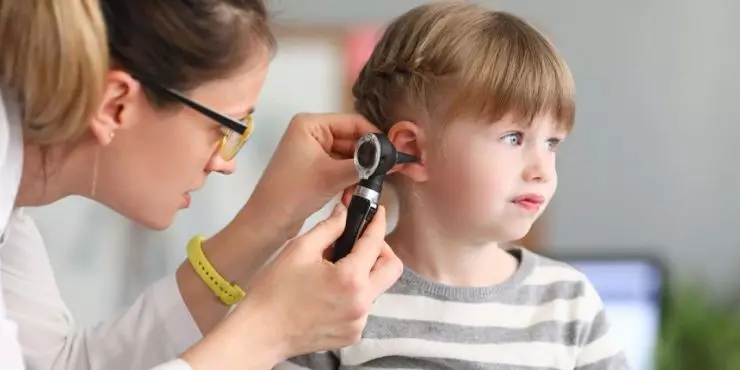
Of course, you’re not expected to make this call alone. A doctor will examine the ear, consider your child’s symptoms, and help guide the next step.
When to Treat with Antibiotics
There are times when antibiotics are absolutely the right move. These include:
- High fever (over 102.2°F)
- Moderate to severe pain that doesn’t improve
- Infection in both ears
- Pus or fluid draining from the ear
- Symptoms lasting longer than 2–3 days without improvement
In these cases, treatment can help clear the infection, reduce complications, and ease symptoms faster. Your provider may also consider other factors—like how many ear infections your child has had recently or whether they have underlying conditions that increase risk.
What About Ruptured Eardrums?
If you see yellow, white, or bloody fluid draining from your child’s ear, it may mean the eardrum has ruptured. This sounds alarming, but it often brings immediate pain relief (because pressure is released) and usually heals on its own within a few weeks.
That said, this situation does call for medical evaluation and usually antibiotics to prevent further infection. You’ll also want to keep water out of the ear while it heals.
Can You Prevent Ear Infections?
While not every ear infection can be prevented, there are ways to lower the risk:
- Keep up with childhood vaccines, especially the pneumococcal and flu vaccines
- Avoid exposure to secondhand smoke
- Encourage handwashing to prevent respiratory infections
- Limit pacifier use after age 2
- Breastfeeding in infancy may also offer some protection
And if your child experiences frequent ear infections (typically three or more in six months, or four in a year), your doctor might discuss options like ENT referral or ear tubes.
When to Follow Up
Always follow up with your provider if:
- Symptoms are not improving after 48–72 hours
- New symptoms appear (like vomiting, dizziness, or severe headache)
- You notice repeated ear infections close together
- Your child seems to have trouble hearing even after the infection clears
Bottom Line
Ear infections are uncomfortable—but with the right care, they’re usually short-lived. Pain relief, a little patience, and a good conversation with your child’s provider are often all you need to get through it.
And if treatment is necessary, we’ll guide you through that, too.
At Northwest Family Clinics, we’re here to support your family through every earache, fever, and tough night—so you can focus on helping your child feel better, faster.