

High blood pressure doesn’t always come with warning signs, but over time, it can silently increase the risk of heart disease, stroke, and kidney problems. That’s why February, which marks Heart Health Month, is the perfect time to check in on your numbers—and your habits.
We believe that heart health isn’t about drastic diets or hours at the gym. In fact, small, consistent changes can make a big difference when it comes to lowering blood pressure and protecting your long-term health.
Here are Five Everyday Habits you can Start Today
1. Add One More Vegetable to Your Plate

You don’t need to overhaul your whole diet to see benefits. Just focus on adding more colorful vegetables and fruits—especially those rich in potassium, which helps counteract the effects of sodium.
Try this:
- Add spinach or bell peppers to scrambled eggs
- Snack on carrots or apple slices
- Toss frozen broccoli into pasta or stir-fry
Why it matters: A diet high in produce, especially leafy greens, helps regulate blood pressure, supports weight management, and reduces inflammation—all good news for your heart.
2. Take a 10-Minute Walk After Meals

Movement doesn’t have to be intense to be effective. Even a brisk walk around the block after dinner can help lower post-meal blood pressure and improve digestion.
Make it easy:
- Walk the dog
- Dance in the kitchen while cleaning up
- Do laps inside the house on icy days
Why it matters: Regular, moderate physical activity helps your heart pump more efficiently and lowers blood pressure over time—even if you’re not hitting the gym.
3. Cut Back on Salt (Without Losing Flavor)

Most of us get far more sodium than we need—often from packaged and restaurant foods. Too much sodium causes the body to hold onto extra fluid, which increases blood pressure.
Simple swaps:
- Use herbs like rosemary, thyme, and oregano, garlic, lemon juice, or vinegar instead of salt for flavor
- Check food labels for "low sodium" or under 140mg per serving
- Rinse canned beans and vegetables before using
Why it matters: Even reducing your sodium intake by 1,000 mg per day can lead to measurable improvements in blood pressure.
4. Unplug for 15 Minutes of Calm

Stress contributes to high blood pressure—but small pockets of rest and relaxation help bring it back down. It doesn’t require a yoga retreat or hours of meditation. Just a few minutes of quiet each day adds up.
Try this:
- Deep breathing or meditation
- Journaling or doodling while your coffee brews
- Sitting in silence before bedtime instead of scrolling
Why it matters: Chronic stress releases hormones that constrict blood vessels and raise heart rate. Calming the nervous system helps lower blood pressure naturally.
5. Track Your Blood Pressure at Home
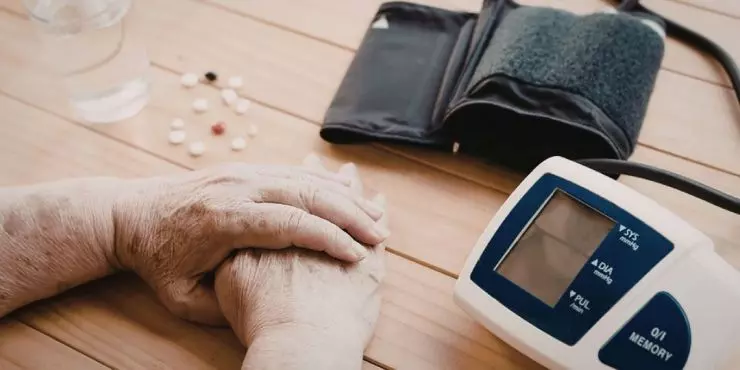
If you’ve been told your numbers are borderline high, or you’re managing high blood pressure, it helps to keep tabs on how your body is doing.
Ask your provider about getting a home blood pressure cuff and how often to check. Keep a notebook or use an app to record your readings and share them at your next visit.
Why it matters: Blood pressure can vary depending on time of day, stress, or even the doctor’s office itself (“white coat syndrome”). Home tracking gives a clearer picture of your true baseline.
When to Talk to Your Provider
You should have your blood pressure checked at least once a year, and more often if you:
- Have a history of high blood pressure or prehypertension
- Are over 40
- Are pregnant or trying to conceive
- Have other risk factors like diabetes, high cholesterol, or a strong family history
We’re here to help you monitor your numbers, make a plan that fits your life, and support your heart every step of the way.
Small Steps Add Up to a Healthier Heart
You don’t have to do it all at once. Just one new habit, an extra serving of vegetables, a short walk, less salt, or more calm, can be the start of better heart health.
We’re here to cheer you on.
Need help lowering your blood pressure or want to schedule a checkup? Call your Northwest Family Clinics location today to schedule—we’re in this together.