
Eating well during pregnancy matters and not just for your baby’s growth, but also for your energy, immune system, and long-term health. But winter can make that harder. Fresh produce is more expensive, grocery bills go up, and many families find themselves juggling extra costs after the holidays.
The good news? You don’t need to spend a fortune to eat well during pregnancy. With a few seasonal swaps and smart planning, it’s possible to nourish your body (and your baby) while sticking to a winter budget.
We know that every pregnancy journey is different. Whether you’re preparing for your first prenatal visit or stocking your pantry in the third trimester, here’s how to support healthy nutrition without breaking the bank.
What Your Body Needs During Pregnancy

During pregnancy, your nutritional needs increase—especially for:
- Folate (or folic acid) to support baby’s brain and spine development
- Iron to help make extra blood and prevent anemia
- Calcium and Vitamin D to build strong bones and teeth
- Omega-3 fatty acids to support baby’s brain and eye development
- Protein to fuel growth and repair tissues
- Fiber to help prevent constipation, a common pregnancy issue
You don’t need fancy supplements or exotic ingredients. Many of these nutrients can come from simple, affordable, everyday foods.
Winter-Friendly Foods That Pack a Nutritional Punch
Here are some budget-conscious winter foods that deliver big benefits:
1. Frozen Fruits and Vegetables
- Just as nutritious as fresh and often half the cost.
- Stock up on frozen spinach, berries, broccoli, and mixed vegetables for easy add-ins to soups, stews, and smoothies.
- Look for options without added sauces or sugars.
2. Beans and Lentils
- Canned or dried, they are xcellent sources of plant-based protein, fiber, iron, and folate.
- Use in chili, tacos, stir-fries, or even mashed into patties or dips.
- Rinse canned beans to reduce sodium.
- Dried beans can be made quickly and cheaply and deliciously in a pressure cooker.
3. Eggs
- A budget-friendly protein source rich in choline, which supports baby’s brain development.
- Easy to prepare and highly versatile—boiled, scrambled, baked into muffins or quiche.
4. Oats and Whole Grains
- Inexpensive and filling. Try overnight oats, warm porridge, or adding cooked quinoa or barley to soups.
- Look for whole grains like brown rice or whole-wheat pasta when on sale.
5. Root Vegetables
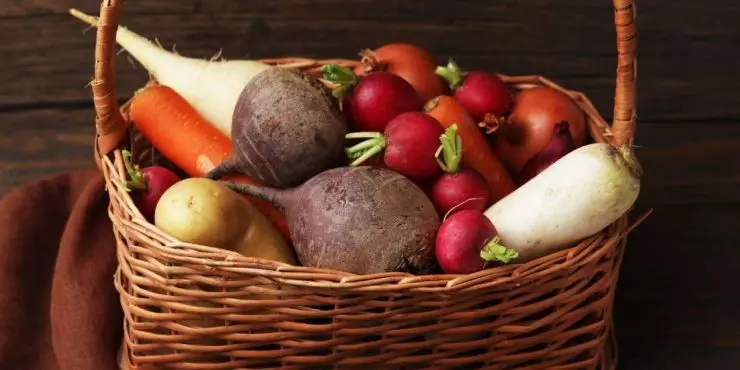
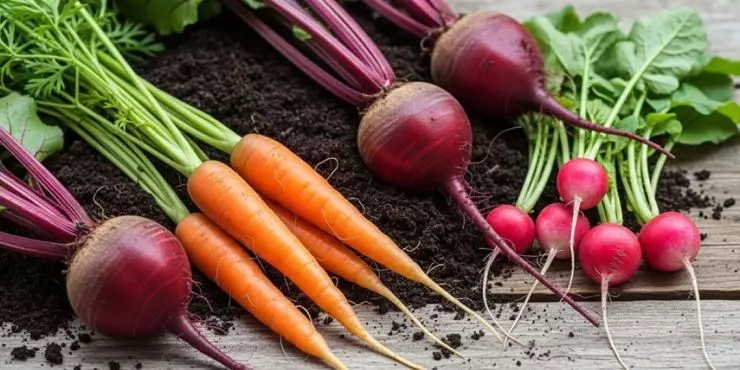
- Carrots, sweet potatoes, squash, and beets are in season and easy to store.
- Rich in beta-carotene (which turns into Vitamin A), fiber, and vitamin C.
- Slice and saute in olive oil, roast in batches or puree into soups for easy meals.
6. Canned Tuna or Salmon
- Packed with protein and omega-3s. Safe in moderation (2–3 servings a week).
- Look for low-mercury options like light tuna (avoid albacore), and avoid raw or high-mercury fish.
How to Stretch Your Grocery Budget in Winter

Plan Weekly Meals
- Stick to a grocery list and plan around what’s on sale.
- Batch cook and freeze portions—soups, casseroles, and stews are great winter staples.
Shop Smart
- Compare unit prices (price per ounce or pound) to get the best deals.
- Buy generic or store-brand items—they often have the same quality as name brands.
Embrace “Meatless Mondays”
-
One or two vegetarian meals each week can cut costs while boosting fiber and nutrients.
Use WIC or SNAP Benefits
-
If you're eligible, these programs can provide free or discounted food and help cover prenatal nutritional needs.
Prenatal Vitamins: Still Important

Even with a balanced diet, it is recommended to take a daily prenatal vitamin that includes:
- 400–800 mcg of folic acid
- 27 mg of iron
- 200–300 mg of DHA (an omega-3 fatty acid)
- At least 600 IU of Vitamin D
Talk with your doctor about the best option for you and let them know if cost is a barrier. Some clinics offer samples or affordable alternatives.
Warming Meals That Work in Winter
Here are some winter meal ideas that combine comfort, nutrition, and cost-conscious ingredients:
- Hearty lentil and vegetable soup
- Egg and veggie breakfast burritos (freezer-friendly)
- Sweet potato and black bean chili
- Baked oatmeal with frozen berries
- Brown rice bowls with canned salmon, greens, and roasted veggies
Full recipes for each are listed below.
When to Schedule an Appointment
If you’re struggling to eat well, dealing with nausea, or unsure what’s safe during pregnancy, schedule an appointment to talk to your provider. Our team at Northwest Family Clinics is here to support your nutrition and well-being every step of the way.
No question is too small, and no budget is too tight for us to help you make a plan that works.
You’re Doing Better Than You Think
Winter can be a tough season, but your effort to nourish yourself and your baby matters. Even small changes can make a big difference. And you don’t have to figure it all out alone.
Need support or have questions about pregnancy nutrition? We’re just a visit away.
Recipes
1. Hearty Lentil and Vegetable Soup
Servings: 6
Each serving is about 1.5 cups.
This soup is very filling thanks to the fiber and protein from the lentils. Great for lunch or dinner.
Ingredients:
- 1 cup dry brown or green lentils, rinsed
- 1 tbsp olive oil
- 1 small onion, diced
- 2 cloves garlic, minced
- 2 carrots, diced
- 2 celery stalks, diced
- 1 zucchini or 1 cup frozen mixed vegetables
- 1 can (14.5 oz) diced tomatoes
- 6 cups low-sodium vegetable broth or water
- 1 tsp dried thyme or Italian seasoning
- Salt and pepper to taste
- Optional: handful of spinach or kale at the end
Instructions:
- In a large pot, heat olive oil and sauté onion, carrots, and celery until softened.
- Add garlic and cook 1 more minute.
- Stir in lentils, diced tomatoes, broth, and seasoning.
- Bring to a boil, then reduce to simmer and cook uncovered for 30–35 minutes or until lentils are soft.
- Stir in spinach or kale in the last 5 minutes.
- Taste and adjust salt or pepper.
Nutrition Bonus: Lentils provide iron, folate, and protein. Great for freezing.
2. Egg and Veggie Breakfast Burritos (Freezer-Friendly)
Servings: 6–8 burritos
One burrito per serving.
These are perfect for grab-and-go breakfasts or a light lunch when paired with fruit or salad.
Ingredients (makes 6–8):
- 8 large eggs
- 1/2 cup milk
- 1 cup chopped spinach or kale (fresh or frozen)
- 1/2 cup bell peppers, chopped
- 1/2 cup onions, chopped
- 1/2 cup shredded cheese (cheddar or mozzarella)
- 6–8 whole wheat tortillas
- Optional: black beans or diced tomatoes
Instructions:
- In a large pan, sauté veggies until tender.
- In a bowl, whisk eggs and milk, then pour into the pan with the veggies.
- Scramble until fully cooked, then remove from heat and stir in cheese.
- Spoon mixture into tortillas, wrap tightly, and cool.
- Wrap each in foil or plastic wrap and freeze.
- Reheat in microwave for 1–2 minutes or in toaster oven.
Nutrition Bonus: Eggs offer choline and protein; spinach adds folate and iron.
3. Sweet Potato and Black Bean Chili
Servings: 4–6
Each serving is about 1.5–2 cups.
It depends on how many sweet potatoes you use and how much broth, but typically this makes enough for a small family with leftovers.
Ingredients:
- 1 tbsp olive oil
- 1 small onion, chopped
- 2 garlic cloves, minced
- 2 medium sweet potatoes, peeled and diced
- 1 can (15 oz) black beans, drained and rinsed
- 1 can (14.5 oz) diced tomatoes
- 2 cups low-sodium vegetable or chicken broth
- 1 tsp chili powder
- 1/2 tsp cumin
- Salt and pepper to taste
Instructions:
- In a pot, heat olive oil and sauté onion until translucent. Add garlic.
- Add diced sweet potatoes, beans, tomatoes, broth, and spices.
- Bring to a boil, then reduce heat and simmer for 25–30 minutes or until sweet potatoes are soft.
- Serve warm, with optional toppings like plain Greek yogurt or shredded cheese.
Nutrition Bonus: Sweet potatoes are rich in beta-carotene; beans provide fiber, protein, and iron.
4. Baked Oatmeal with Frozen Berries
Servings: 6
Each serving is one square from an 8x8 pan.
It’s filling on its own for breakfast or can be paired with yogurt or nut butter for extra calories and protein.
Ingredients:
- 2 cups rolled oats
- 1 tsp baking powder
- 1 tsp cinnamon
- 1/4 tsp salt
- 2 cups milk (dairy or non-dairy)
- 1 egg
- 2 tbsp maple syrup or honey
- 1 tsp vanilla extract
- 1 cup frozen berries
- Optional: chopped nuts or flaxseed
Instructions:
- Preheat oven to 375°F and grease an 8x8 baking dish.
- In one bowl, mix oats, baking powder, cinnamon, and salt.
- In another bowl, whisk together milk, egg, syrup, and vanilla.
- Combine wet and dry ingredients, stir in berries.
- Pour into baking dish and bake for 35–40 minutes until set.
- Cool slightly and cut into squares. Store in fridge or freezer.
Nutrition Bonus: Oats support digestion and blood sugar control; berries offer antioxidants and vitamin C.
5. Brown Rice Bowls with Canned Salmon, Greens, and Roasted Veggies
Servings: 2–3
Each bowl includes ½ cup rice, ~2 oz salmon, and ~1 cup of roasted veggies and greens.
Easily scalable—just add more rice, veggies, or another can of salmon to feed more.
Ingredients:
- 1 cup dry brown rice (or 2 cups cooked)
- 1 can (5 oz) wild-caught salmon, drained
- 2 cups mixed vegetables (e.g., broccoli, carrots, sweet potato)
- 1 tbsp olive oil
- Salt, pepper, garlic powder
- 2 cups baby spinach or kale
- Optional: lemon wedges, tahini dressing, or a fried egg
Instructions:
- Cook brown rice according to package instructions.
- Toss chopped veggies with olive oil, salt, and seasonings. Roast at 400°F for 25–30 minutes.
- In a bowl, layer rice, greens, roasted veggies, and flaked salmon.
- Add a squeeze of lemon or drizzle with tahini or yogurt-based dressing.
Nutrition Bonus: Salmon provides omega-3s; rice and veggies add fiber and long-lasting energy.