

When your baby is fussy, tugging at their ears, or not sleeping well, it’s easy to wonder: Is it teething or something more?
We know just how tricky it can be to tell the difference between normal teething symptoms and signs of an ear infection. Both are common during infancy and toddlerhood, and both can cause discomfort, tears, and long nights.
The good news? There are some helpful ways to tell them apart and we’re here to walk you through what to look for and when to schedule an appointment.
Common Signs of Teething
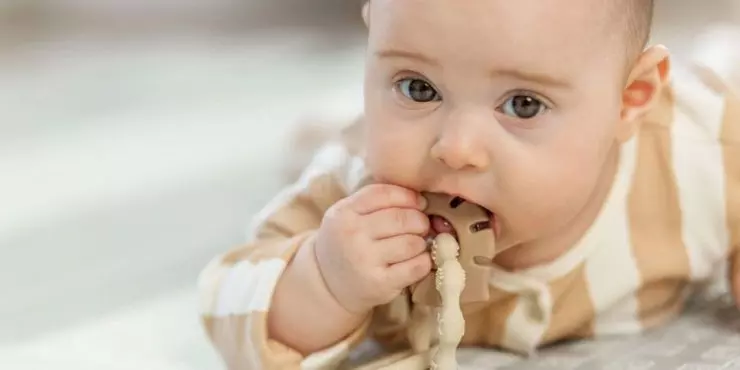
Teething usually begins around 4 to 7 months of age, but every child is different. As teeth push through the gums, your baby may experience:
- Drooling (lots of it!)
- Swollen or tender gums
- Chewing on hands, toys, or anything in sight
- Fussiness, especially at night
- A slight raise in body temperature, not a fever (under 100.4°F)
- Mild ear pulling (especially on the side where a tooth is erupting)
These symptoms can come and go for weeks at a time. Teething doesn’t typically cause high fever, diarrhea, or intense irritability, so if your child seems unusually sick, it may be something else.
Common Signs of an Ear Infection

Ear infections often follow a cold or upper respiratory infection and are caused by fluid buildup behind the eardrum. Symptoms can include:
- Sudden increase in fussiness or crying
- Trouble sleeping or lying flat
- Fever over 100.4°F
- Tugging or pulling at the ears (especially both ears)
- Decreased appetite or difficulty feeding
- Fluid or pus draining from the ear
- Difficulty hearing or balance issues in older babies or toddlers
Unike teething, ear infections can come on quickly and often cause more intense discomfort, especially when lying down.
Key Differences to Watch For
| Symptom | Teething | Ear Infection |
|---|---|---|
| Ear pulling | Mild, usually one-sided | Often stronger, may be on both sides |
| Fever | No; Slight temp increase (if any) | Yes; Higher than 100.4°F |
| Sleep issues | On-and-off irritability | Often worse when lying flat |
| Feeding | Mild disruption from gum pain | May refuse feeding due to pressure |
| Cold Symptoms | Not typical | Often present (cough, runny nose) |
| Drainage from ear | No | Possible |
What You Can Do at Home

If you suspect teething:
- Offer a clean, chilled teething ring or washcloth
- Gently massage your baby’s gums
- Use over-the-counter infant pain relievers like acetaminophen or ibuprofen (for babies over 6 months), as recommended by your provider
If you suspect an ear infection:
- Monitor their temperature and comfort level
- Use pain relievers as directed
- Keep your baby upright during feedings to relieve pressure
- Schedule an appointment if symptoms last more than 24–48 hours, worsen, or if a high fever is present
When to Schedule an Appointment
Schedule an appointment with a provider if your child:
- Has a fever over 100.4°F for more than 24 hours
- Is extremely fussy, lethargic, or not eating
- Has fluid or pus draining from their ear
- Seems to be getting worse instead of better
We may recommend an ear exam to confirm an ear infection. If present, treatment may include antibiotics or watchful waiting, depending on your child’s age and the severity of symptoms.
Trust Your Gut—And Your Care Team
You know your baby best. If something doesn’t feel right or you’re unsure what’s causing your child’s symptoms, don’t hesitate to reach out. Whether it’s teething or an ear infection, we’re here to help you navigate these early milestones with confidence and care.
At Northwest Family Clinics, we’re just a phone call away or the click of a button.
Frequently Asked Questions (FAQ)
Can teething cause a fever?
No, teething does not cause a true fever. Teething may cause a slight increase in temperature, but it should stay below 100.4°F. If your baby has a higher fever, it's best to check for other causes, such as an ear infection or viral illness.
Is it normal for babies to pull on their ears when teething?
Yes. Babies sometimes pull on their ears when teething because the pain from the gums can radiate to the ear area. However, if the ear pulling is frequent, intense, or comes with other symptoms (like fever or irritability or difficulty feeding), it could be an ear infection.
How can I tell if it's just teething or something more serious?
Teething symptoms usually appear gradually and are mild. If your baby seems suddenly very uncomfortable, has a high fever, or shows signs like ear drainage or poor feeding, it's time to schedule an appointment or go to urgent care.
Should I bring my child in for an ear infection every time?
Not always. Some mild ear infections can clear up on their own, especially in older children. But it’s important to have your provider evaluate your child—especially if they’re younger than 2, have a high fever, or symptoms lasting more than 48 hours.
What’s the best way to soothe teething pain?
Try offering a cold teething ring or washcloth, massaging the gums with a clean finger, and sticking to a calming bedtime routine. Infant acetaminophen or ibuprofen can also help if your baby seems uncomfortable—just follow your provider’s dosage guidance.
Can ear infections be prevented?
Not completely, but you can reduce the risk by:
- Keeping your child up-to-date on vaccines
- Avoiding secondhand smoke
- Feeding upright to prevent fluid buildup
- Breastfeeding, which offers some immune protection
When do babies usually start teething?
Most babies get their first tooth between 4 to 7 months of age, but it can happen earlier or later. Teething patterns vary widely, and some children may not get teeth until after their first birthday.