
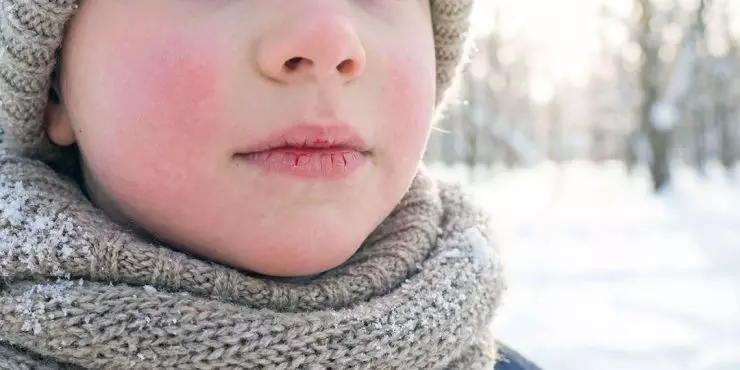
Winter in Minnesota can be beautiful, but it can also be brutal on your child’s skin, lips, and nose. Between dry indoor heat and frigid outdoor air, many families deal with a trio of cold-weather woes: cracked lips, frequent nosebleeds, and rough, itchy skin.
We hear about these issues every winter. The good news? With a few simple changes to your daily routine, you can help keep your child’s skin and sinuses healthy, hydrated, and comfortable until spring returns.
Why Winter Dries Kids Out

During the colder months, the air holds less moisture—and indoor heating systems make it even drier. This can pull moisture from your child’s skin, lips, and nasal passages, leaving them vulnerable to cracking, bleeding, and irritation.
Babies and younger children are especially prone to winter dryness. Their skin is thinner and more sensitive, and they lose moisture faster than adults.
Chapped Lips: What Helps and What to Avoid

Dry, cracked lips are a common winter complaint for kids—and one they often make worse without realizing it by licking their lips.
What You Can Do:
- Apply lip balm regularly. Look for fragrance-free balms made with petroleum jelly, beeswax, or lanolin. Keep one in your bag and by the bed.
- Break the lick cycle. Remind your child not to lick their lips, and reapply balm often to reduce the urge.
- Hydrate from within. Encourage water throughout the day, even when they’re not thirsty.
- Avoid menthol or flavored balms. These can feel tingly but actually cause more irritation for sensitive lips.
Dry, Itchy Skin: Gentle Moisture for the Win

Between hot baths and bundled-up clothing, your child’s skin can become rough, red, or flaky during the colder months.
What You Can Do:
- Limit bath time. Keep baths or showers short (10–15 minutes max) and use lukewarm—not hot—water.
- Choose fragrance-free cleansers. Harsh soaps can strip natural oils. Look for mild, hypoallergenic body washes or cleansers.
- Moisturize right after bathing. Apply a thick, unscented cream or ointment while skin is still damp to lock in moisture. Lotions are fine, but creams tend to work better in dry months.
- Dress in breathable layers. Cotton layers under sweaters can prevent irritation and allow skin to breathe.
Watch for eczema flare-ups: If your child has a history of eczema, dry winter air can trigger itching or inflamed patches. Ask your provider about the best maintenance routine or whether a prescription cream may be helpful.
Bloody Noses: What’s Causing Them—and How to Stop Them
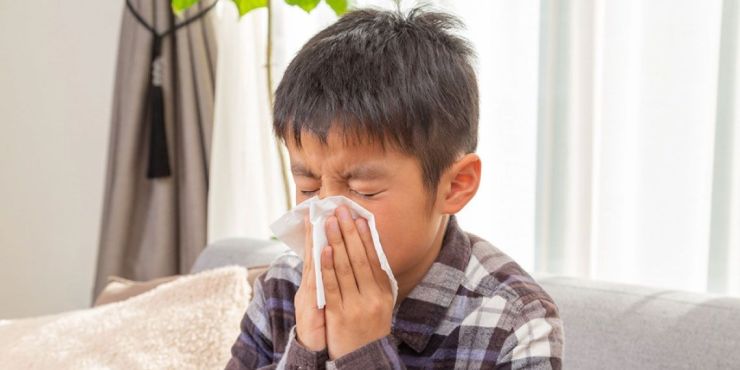
Nosebleeds in winter are often caused by dry air that makes the delicate nasal lining crack and bleed—especially if your child picks their nose or blows it frequently during cold season.
What You Can Do:
- Use a cool-mist humidifier at night. This adds moisture back to the air and helps prevent nasal dryness.
- Apply a dab of petroleum jelly. Using a cotton swab, gently coat the inside of each nostril at bedtime to keep tissues moist.
- Encourage gentle nose blowing. Show your child how to blow gently, one nostril at a time, and avoid frequent picking.
- Stay on top of hydration. Drinking water helps keep mucous membranes from drying out.
If nosebleeds are frequent, especially on just one side, or if bleeding is heavy or hard to stop, schedule an appointment with your provider to rule out other causes.
Smart Habits That Keep Skin, Lips, and Noses Happier All Winter
- Use a humidifier in bedrooms (just be sure to clean it every 2–3 days to prevent mold or bacteria buildup).
- Choose soft, breathable fabrics. Fleece and wool can be irritating for some children—use cotton or soft blends underneath.
- Teach handwashing with care. Frequent handwashing is important for preventing illness, but it can dry out skin. Use lukewarm water and moisturize afterward.
- Layer in moisture-rich foods. Add healthy fats like avocado, olive oil, nut butters, and eggs into meals to support skin health from the inside out.
When to Schedule an appointment
Most winter dryness clears up with gentle care, but it’s time to check in with your provider if you notice:
- Skin that becomes red, swollen, cracked, or oozing
- Nosebleeds that happen more than once a week
- Severe chapped lips that don’t improve with balm
- Eczema that isn’t responding to over-the-counter creams
Northwest Family Clinics Is Here to Help
If your child is uncomfortable, we want to help them feel better. Our care team can recommend products, help manage eczema or skin concerns, and make sure there's nothing more serious going on.
You know your child best. When in doubt, schedule an appointment. We’re here with practical advice and real support to get you through another Minnesota winter.