
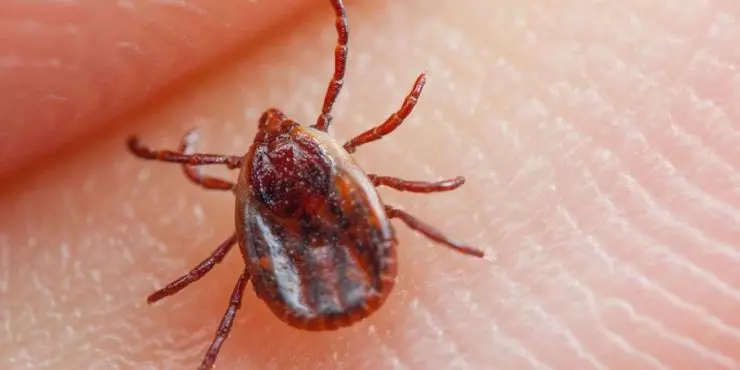
When spring and summer arrive in Minnesota, so do ticks. Whether your family spends weekends hiking, gardening, exploring the Boundary Waters, or playing in the backyard, tick awareness is an important part of staying healthy. Tick-borne illnesses can sound scary, but with the right knowledge and prevention strategies, most bites can be avoided or managed safely.
This guide walks you through the essentials: what types of ticks we see in Minnesota, which illnesses they can carry, how to protect your family, and when it is time to follow up with a clinician.
The Ticks You’re Most Likely to See in Minnesota
Minnesota is home to many tick species, but two matter most for human health.
1. Blacklegged Tick (Deer Tick)
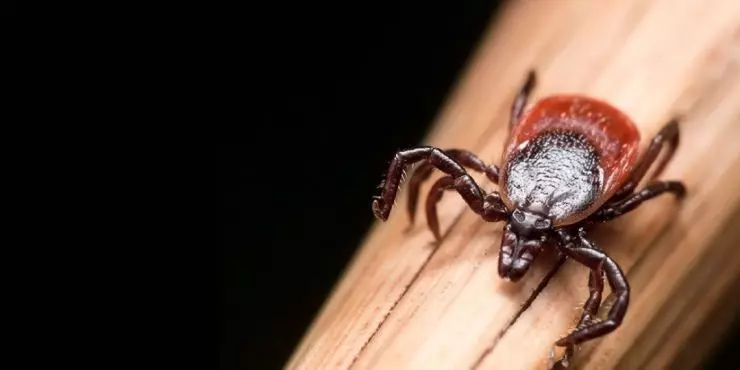
This is the tick responsible for most tick-borne illnesses in our state. It is active from early spring through late fall.
Diseases it can transmit:
- Lyme disease
- Anaplasmosis
- Babesiosis
- Powassan virus (rare but serious)
- Ehrlichiosis (less common)
Deer ticks are tiny. Nymphs are about the size of a poppy seed and can be very difficult to spot.
2. American Dog Tick (Wood Tick)
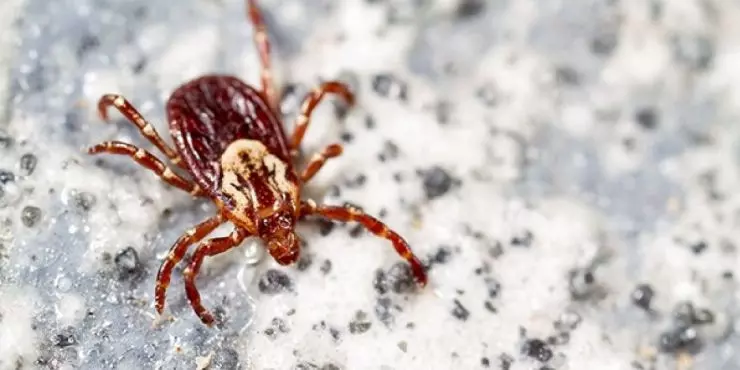
These ticks are larger and easier to see. They are commonly found beginning in late spring.
Diseases they can transmit:
- Rocky Mountain spotted fever
- Tularemia
- Tick paralysis (rare)
Most wood ticks do not carry illness, but they can still bite and attach.
When Ticks Are Most Active
Tick activity in Minnesota typically peaks:
- April through June for deer tick nymphs
- September through October for adult deer ticks
- Late spring through early summer for American dog ticks
Warm winters, early snowmelt, or rainy seasons can lengthen the tick year.
Understanding Tick-Borne Illness Symptoms
Symptoms vary depending on the infection, but common early signs include:
- Fever or chills
- Severe fatigue
- Headache
- Muscle or joint aches
- Rash
Each illness has slightly different patterns.
Lyme Disease
- Classic bull’s-eye rash (erythema migrans) in some but not all cases
- Fever, fatigue, joint or muscle pain
Note: Many people never see the rash or don’t notice a tick bite.
Anaplasmosis
- High fever
- Severe muscle aches
- Headaches
- Sometimes nausea
Babesiosis
- Fever, chills, sweating
- Fatigue
- Can be more severe in people over 50 or those with weakened immune systems
Powassan Virus
- Rare but can be serious
- Neurologic symptoms such as confusion, headache, or seizures
- Symptoms develop suddenly and require urgent evaluation
If symptoms develop within 1 to 30 days after a tick bite or time outdoors, schedule a visit. The earlier these illnesses are found, the easier they are to treat.
What To Do If You Find a Tick
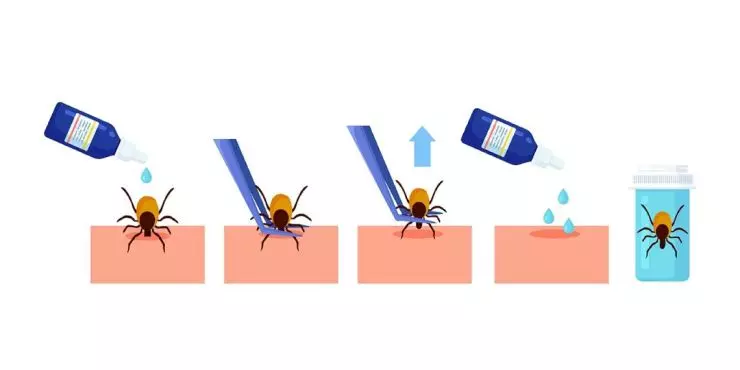
Step 1: Stay calm
Most tick bites do not lead to illness.
Step 2: Remove it carefully
Use clean tweezers to grasp the tick as close to the skin as possible. Pull upward with steady, even pressure. Do not twist, squeeze, or use petroleum jelly, heat, or chemicals.
Step 3: Clean the area
Wash with soap and water and apply an antiseptic.
Step 4: Save the tick (optional)
You can place it in a small plastic bag for identification later. Tick testing is not routinely recommended, but identifying the species can be helpful.
Step 5: Watch for symptoms
Monitor for fever, rash, fatigue, or flu-like illness for several weeks. If symptoms develop, call your provider.
Should You Get a Preventive Antibiotic?
In some cases, yes. A single dose of doxycycline may be recommended to prevent Lyme disease if:
- The tick is a deer tick
- It was attached for at least 36 hours
- It was removed within the last 72 hours
- Lyme disease is common in the area where the bite occurred
- You are eligible to take doxycycline
Your provider will help determine whether preventive treatment is right for you.
How to Protect Your Family from Ticks
Tick prevention doesn’t need to be complicated. Simple habits make a big difference.
Clothing and Gear
- Wear long sleeves and long pants tucked into socks
- Choose light-colored clothing so ticks are easier to spot
- Use EPA-approved insect repellents with DEET, picaridin, or IR3535
- Consider permethrin-treated clothing for higher-risk environments
Yard and Home Strategies
- Keep grass and brush trimmed
- Remove leaf piles where ticks like to hide
- Create a mulch or gravel barrier between lawn and wooded areas
- Check pets routinely and use vet-recommended tick preventives
Daily Tick Checks
Make tick checks part of your routine after spending time outdoors. Pay special attention to:
- Behind the ears
- Hairline and scalp
- Under the arms
- Around the waist
- Behind knees
- In the groin area
Nymph-stage deer ticks are tiny, so checking carefully is important.
When to Schedule an Appointment
Reach out if:
- You notice a bull’s-eye rash
- A fever begins days or weeks after a tick bite
- Your child becomes unusually tired or irritable
- Headaches or joint pain develop unexpectedly
- You found a deeply attached deer tick
- You are pregnant and were bitten by a tick
Tick-borne illnesses respond best to early treatment. It is always okay to call us if something feels off.
Minnesota Summers Should Be Enjoyed

Ticks shouldn’t keep your family from exploring the outdoors. With simple prevention steps, awareness of symptoms, and quick follow-up when needed, you can enjoy Minnesota’s trails, lakes, and backyards with confidence.
If you have concerns about a tick bite, symptoms, or prevention strategies, our clinicians at Northwest Family Clinics are here to guide you.