

One minute your child is happily playing on the living room floor. The next, they're in tears because their socks don't feel right, you cut their sandwich the "wrong" way, or you turned off the TV before they were ready.
If you've experienced moments like these, you're not alone.
One of the questions parents ask me most often is, "Why does my child seem to have such big reactions to such little things?" Sometimes those reactions are simply part of growing up. Young children are still learning how to identify emotions, express their needs, and recover from disappointment. Their brains are developing rapidly, and emotional regulation is a skill that takes years to master.
But occasionally, those intense reactions become so frequent or so disruptive that parents begin to wonder if something else is going on. Could it be anxiety? A sensory sensitivity? A developmental difference? Or is this simply a phase?
The answer isn't always straightforward, but understanding what's happening beneath the behavior can make those moments feel much less overwhelming.
Big Feelings Are a Normal Part of Childhood

Children experience emotions just as intensely as adults. The difference is that they haven't yet developed the tools to manage those emotions.
Think about the last time you felt overwhelmed. Maybe you were exhausted, running late, hungry, or trying to juggle too many responsibilities at once. Even as adults, it's harder to stay patient when our brains and bodies are under stress.
Children experience those same feelings, but with far fewer coping skills.
That's why it's common for toddlers and preschoolers to cry over what seems like a small disappointment or to become frustrated when things don't go as expected. Their reactions may seem disproportionate to us, but to them, those feelings are very real.
As children grow, most gradually become better at calming themselves, solving problems, and expressing emotions with words instead of behaviors.
Anxiety Doesn't Always Look Like Worry

When people think about anxiety, they often picture an older child saying they're nervous before a test or worried about something bad happening.
In younger children, anxiety often looks very different.
Instead of saying, "I'm anxious," children may complain of frequent stomachaches or headaches, have trouble separating from parents, avoid new situations, become unusually irritable, or have frequent emotional outbursts.
Some children ask the same reassuring questions over and over.
Others become perfectionists, worrying intensely about making mistakes or disappointing adults.
Still others seem angry rather than anxious.
That's one reason childhood anxiety can be difficult to recognize. The behavior we see on the outside isn't always telling the whole story.
When the World Feels Bigger Than It Does to You
Some children also experience the world differently through their senses.
They may cover their ears when a hand dryer starts in a public restroom. They refuse certain clothing because it "feels funny." Haircuts, toothbrushing, or loud birthday parties become overwhelming rather than enjoyable.
These children aren't trying to be difficult.
Their brains may simply process sensory information more intensely than other children.
Sensory sensitivities can involve:
- Clothing textures, tags, or seams
- Loud or unexpected noises
- Bright lights
- Strong smells
- Certain food textures
- Busy or crowded environments
- Touch, including hair brushing or tooth brushing
Many children have one or two sensory preferences, and that's completely normal. What we pay attention to is whether those sensitivities are consistently interfering with daily life or causing significant distress.
When Should Parents Pay Closer Attention?
Every child has bad days, emotional outbursts, and moments when they seem overwhelmed. The question isn't whether those moments happen. It's whether they're becoming the rule rather than the exception.
It May Be Time to Schedule an Appointment If…
Consider mentioning your concerns to your child's provider if you notice that your child:
- Has frequent meltdowns that seem much more intense than expected for their age
- Avoids everyday activities because of fear or worry
- Struggles with separation far beyond what's typical for their developmental stage
- Becomes overwhelmed by common sounds, textures, or environments
- Has emotional reactions that regularly interfere with school, friendships, or family routines
- Needs significant reassurance throughout the day to manage anxiety
- Has physical complaints like stomachaches or headaches that don't have another medical explanation
None of these behaviors automatically point to a diagnosis. Instead, they provide important pieces of information that help us understand how your child is experiencing the world.
Behavior Is Communication
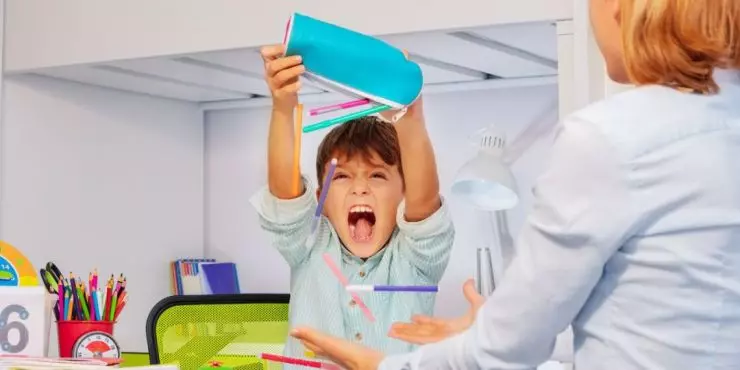
One of the most helpful shifts parents can make is asking themselves a different question.
Instead of asking, "Why is my child acting this way?" try asking, "What might my child be trying to tell me?"
- Behavior is often a form of communication, especially for younger children who don't yet have the words to explain what they're feeling.
- A child who melts down every time they leave preschool may not be "misbehaving." They may be overwhelmed after spending all day regulating their emotions.
- A child who refuses certain clothes may not be stubborn. They may genuinely find the fabric uncomfortable.
- A child who lashes out after a birthday party may simply be exhausted from processing a busy, noisy environment.
- Looking beneath the behavior doesn't mean excusing it. It simply helps us respond with greater understanding while still teaching healthy boundaries and coping skills.
What Happens If You're Concerned?
If you're noticing patterns that seem persistent or are affecting your child's daily life, start by talking with your primary care provider.
We'll ask about your child's development, routines, sleep, school experiences, and family history. Sometimes the answer is reassurance that what you're seeing falls within the wide range of typical childhood development.
Other times, it may make sense to explore additional support. Depending on your child's needs, that could include behavioral therapy, occupational therapy, counseling, developmental evaluation, or simply strategies you can begin using at home.
The goal isn't to find something wrong with your child. The goal is to better understand how they experience the world so we can help them succeed within it.
Big Emotions Don't Mean Something Is Wrong

Every child has moments when their emotions feel bigger than they can manage.
For many, those moments gradually become easier as they grow and develop new coping skills. For others, they may signal that a child could benefit from additional support.
Neither possibility changes who your child is.
Whether your child is navigating anxiety, sensory sensitivities, or simply learning how to manage big feelings, understanding what's driving those behaviors is often the first step toward helping them thrive.
Frequently Asked Questions
Can anxiety cause stomachaches or headaches in children?
Yes. Anxiety often shows up as physical symptoms in children, including stomachaches, headaches, nausea, or changes in sleep. It's always important to discuss persistent symptoms with your healthcare provider to rule out medical causes.
Are sensory sensitivities always a sign of autism?
No. Many children have sensory preferences or sensitivities without having autism. Sensory processing challenges can occur on their own or alongside other developmental conditions.
Is it normal for toddlers to have meltdowns?
Absolutely. Tantrums are a normal part of toddler development. The concern arises when emotional reactions become unusually intense, frequent, prolonged, or continue well beyond what we'd expect for a child's age.
Can children outgrow anxiety?
Some worries are developmentally normal and improve with time. However, persistent anxiety that interferes with school, friendships, or family life often benefits from early support and treatment.