

Many parents notice small changes in their baby’s head shape during the first few months of life. If you’ve looked down at your baby during tummy time or while they’re sleeping and wondered whether the back or side of their head looks flat, you’re not alone. Flat head syndrome, also called positional plagiocephaly or brachycephaly, is very common in young infants. The good news is that most cases are mild, preventable, and treatable.
Let us walk you through what causes flat spots, how to help prevent them at home, and when to consider a helmet.
Why Flat Spots Happen

A baby’s skull is soft and flexible during the first year of life. This is normal and allows room for brain growth. Since babies spend a lot of time lying on their backs, it’s easy for one area of the head to take more pressure than another.
Common reasons flat spots develop include:
- Sleeping in the same head position each night
- Preferring to look one direction more than the other
- Spending extended time in swings, car seats, or bouncers
- Torticollis, a tight neck muscle that makes it hard for a baby to rotate their head
Flat spots are not harmful to your baby’s brain. The concern is mostly cosmetic, and in most cases, improvement happens with simple positioning changes.
How to Help Prevent Flat Spots

You can begin prevention from the first days at home. These small habits throughout the day reduce pressure on the same area of your baby’s head.
Offer Daily Tummy Time
Aim for a few minutes at a time, several times a day. Gradually build up as your baby gets stronger. Tummy time:
- Strengthens neck muscles
- Encourages babies to look around in different directions
- Reduces time spent lying flat on the back
But what if your baby hates tummy time? You are not alone, so many little ones are not fans of tummy time. Try to place your baby on your chest, across your lap, or on a blanket with a toy in front of them to make tummy time more enjoyable for everyone.
Alternate Head Position During Sleep
Always place your baby on their back to sleep. To prevent pressure on one spot, you can:
- Turn their head gently to the left one night and the right the next night
- Alternate which end of the crib they sleep in so they look toward different things in the room
Babies often prefer to look toward light or noise, so small changes can naturally encourage movement.
Limit Time in “Container” Gear
Car seats, swings, and bouncers are helpful tools, but too much time in any of them can lead to a flat area forming. When your baby is awake:
- Hold your baby upright
- Use babywearing
- Give them playtime on the floor
Encourage Looking Both Directions
If your baby always looks one way, try:
- Changing which arm you hold them on
- Rotating the direction they face during feeding
- Placing toys or books on the opposite side
If Baby seems uncomfortable turning their head, mention this to your provider. It may be a sign of torticollis that responds well to early physical therapy.
When to Talk With Your Provider
Schedule an appointment if you notice:
- A persistent flat spot that is not improving by 3 to 4 months
- A strong preference to look only one way
- Difficulty turning the head
- A very uneven head shape
Your provider may recommend physical therapy, positioning strategies, or a referral for a helmet evaluation if needed.
Do Helmets Work?

In some cases, yes. Helmet therapy helps guide growth so the head becomes more rounded and symmetrical. It does not affect brain development.
Helmets are generally recommended for babies with:
- Moderate to severe flattening
- Little improvement after trying repositioning
- Head shape concerns identified later (around 6 months or older)
Most babies who need a helmet wear it for 23 hours a day for several months. The earlier helmet therapy starts, the better the results tend to be, usually between 4 and 8 months of age.
Common Questions About Helmets
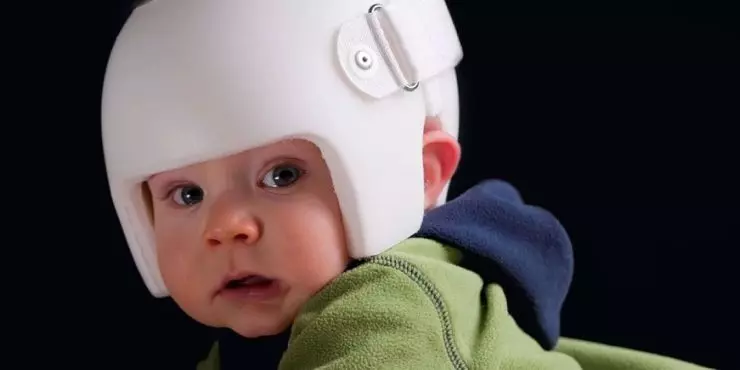
Will my baby be uncomfortable?
Most babies adapt quickly. The helmet is lightweight and custom-made. There may be a short adjustment period, but babies usually tolerate it well.
Does insurance cover helmets?
Coverage varies. Some plans classify helmet therapy as cosmetic, while others cover part or all of the cost if there is a documented medical need. Your clinic can help guide you on what to ask your insurance provider.
Can a helmet fix the head shape completely?
Many babies see significant improvement, but results depend on the severity and the baby’s age. Starting early gives the best chance for full correction.
What if we choose not to use a helmet?
Many mild cases improve on their own with repositioning, tummy time, and growth. Your provider can help monitor progress and discuss options.
You’re Not Alone

Head shape concerns can bring a lot of stress, especially for new parents. It’s important to remember that this is a common issue and not something you caused. With the right guidance and support, most babies improve beautifully.
If you’re worried about your baby’s head shape or wondering whether a helmet is right for them, schedule a visit at Northwest Family Clinics. We’re here to look, measure, answer questions, and support you and your baby every step of the way.