
Pelvic pressure. A deep ache in your hips. Sharp twinges when you stand up or roll over. Many pregnant and postpartum women experience pelvic or SI joint discomfort at some point, and it can feel confusing, frustrating, and sometimes even scary.
The important thing to know is this: you’re not imagining it, and you’re not alone. Pelvic and SI joint pain are incredibly common during pregnancy and after childbirth, and there are real reasons your body feels different right now.
Understanding Pelvic and SI Joint Pain
Your pelvis is made up of several bones that come together at joints designed for strength and stability. The sacroiliac (SI) joints are located where your spine meets your pelvis. These joints help support your weight, absorb shock, and allow your hips to move.
During pregnancy and early postpartum, these joints are under extra strain.
Several things contribute to this:
Hormone Changes
Pregnancy hormones, particularly relaxin, begin to loosen the pelvic ligaments. This flexibility is important for labor and delivery, but it can also make the pelvis and SI joints feel less stable.
A Growing Baby and Shifting Posture
As your belly grows, your center of gravity shifts. You may begin to lean forward or widen your stance without noticing. This can strain the low back, hips, and SI joints.
Muscle Weakness or Imbalance
Your core, pelvic floor, and hip muscles work differently during pregnancy and after birth. If these muscles are weakened or tight, the pelvis may not feel fully supported.
Postpartum Recovery
After delivery, hormone levels drop, but your ligaments and muscles don’t return to normal overnight. Lifting a newborn, carrying a car seat, or breastfeeding with poor posture can make pelvic or SI discomfort stick around.
What Pelvic or SI Joint Pain Feels Like
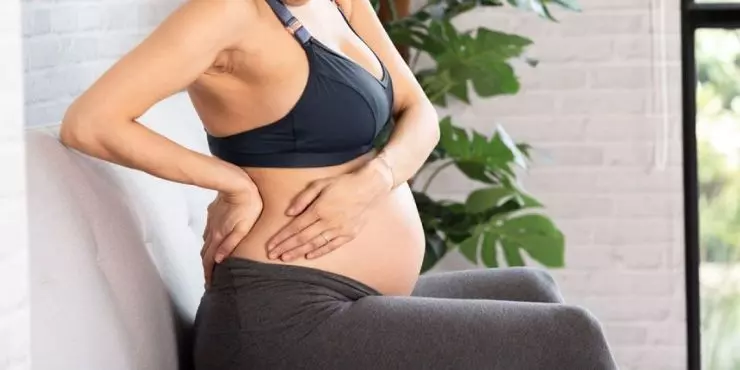
Symptoms can vary, but common complaints include:
- Sharp pain when standing on one leg, climbing stairs, or getting out of the car
- Deep aching in the lower back, buttocks, or hips
- Pain that radiates into the groin or down the thigh
- Discomfort when rolling over in bed
- Clicking or grinding sensations in the pelvis
- Trouble walking or feeling “wobbly” in the hips
Some women feel pain on just one side. Others feel it across the whole low back or pelvis.
Ways to Relieve Pelvic and SI Joint Pain at Home
Small adjustments throughout the day can make a noticeable difference.
Try the “Log Roll” for Getting Out of Bed
Instead of sitting straight up:
- Roll onto your side
- Use your arms to push yourself into a seated position
- Gently swing your legs over the edge
This keeps strain off the pelvis.
Support the Pelvis With a Belly Band or SI Belt
These are designed to gently stabilize the joints. Many moms find they help with walking, exercise, or long workdays.
Practice Good Body Mechanics
- Keep weight evenly distributed when standing
- Sit with both feet on the floor
- Avoid standing on one leg to put on pants
- Switch baby to the other side when carrying
Even minor posture shifts can ease pressure.
Stay Active, but Choose Movement Wisely
Gentle exercises like walking, swimming, or prenatal yoga keep the joints mobile without overstraining them. If a movement causes sharp pain, skip it.
Strengthen Core and Pelvic Floor Muscles
Simple exercises, approved by your provider, can support the pelvis. Many women benefit from working with a pelvic floor physical therapist.
Use Heat or Ice
- Heat relaxes tight muscles
- Ice reduces inflammation
Use whichever feels better, or alternate.
Rest When You Need To
Your body is working hard, whether you are growing a baby or recovering after birth. Listening when it asks for a break is part of good self-care.
When to Call Your Provider
Pelvic and SI joint discomfort is common, but certain symptoms need more attention.
Schedule an appointment if:
- Pain becomes severe or affects your ability to walk
- You feel numbness, tingling, or weakness in the legs
- Pain suddenly worsens
- You experience pelvic pressure that feels unusual for your stage of pregnancy
- Pain persists months after birth
We can help determine what’s going on, recommend safe exercises, or refer you to a physical therapist who specializes in pregnancy and postpartum care.
You Don’t Have to Push Through the Pain
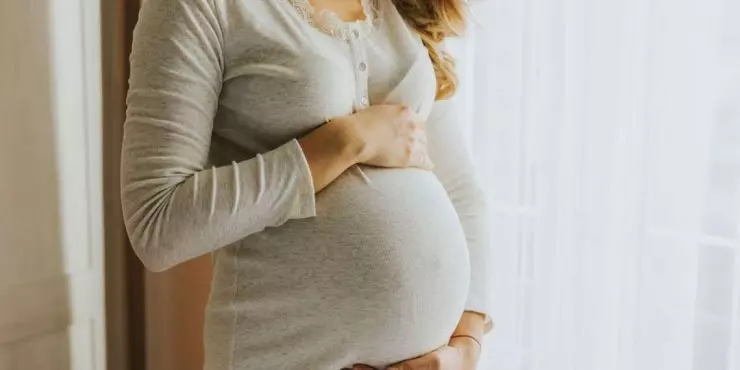
Pregnancy and new motherhood bring enough challenges without constant discomfort. If pelvic or SI joint pain is slowing you down, keeping you from sleeping, or making it hard to enjoy this season of life, we’re here to help.
At Northwest Family Clinics, our team will listen, support you, and create a plan that fits your daily routine. Relief is possible, and you deserve to feel strong and comfortable in your changing body.
Frequently Asked Questions (FAQ)
Is pelvic pain normal during pregnancy?
Yes. Pelvic discomfort is common during pregnancy because your ligaments loosen, your posture changes, and your pelvis carries more weight. Mild to moderate pain that comes and goes is typical, but severe or sudden pain should always be evaluated.
What’s the difference between pelvic pain and SI joint pain?
Pelvic pain may occur in the front or center of the pelvis, while SI joint pain is usually located in the lower back, hips, or buttocks. SI joint pain often feels sharp when you walk, stand, or roll over.
Can pelvic or SI joint pain be prevented?
You may not be able to prevent it completely, but you can reduce symptoms by keeping good posture, strengthening your core and pelvic floor, avoiding activities that strain one side of the body, and using supportive gear like a maternity belt.
Is it safe to exercise if I have SI joint pain?
Yes, gentle movement is usually helpful. Walking, swimming, stretching, and prenatal yoga can support pelvic stability. If an activity causes sharp pain, stop and choose a gentler option. Your provider or a pelvic floor therapist can suggest exercises tailored to your symptoms.
Should I wear an SI support belt?
Many pregnant and postpartum women find relief using a support belt, especially during long days or physical activity. It stabilizes the pelvis and can reduce pressure on the SI joints. Your provider can help you choose the right type.
What helps with pain at night?
Try sleeping with a pillow between your knees, under your belly, or behind your back. Using the “log roll” technique when getting in and out of bed also protects your pelvis from strain.
Does SI joint pain go away after birth?
For many women, symptoms improve in the months after delivery as hormones level out and muscles regain strength. However, discomfort can continue if the joints remain unstable or muscles stay weak. Targeted exercises or physical therapy often help.