

After having a baby, there is often a lot of focus on the early weeks. You have a postpartum visit, you begin adjusting to life with a newborn, and slowly, routines start to take shape.
But what many women don’t expect is that recovery doesn’t end after those first few weeks.
Months later, you may still notice changes in your body, your energy levels, and how you feel day to day. It’s common to wonder what is normal and what might need more attention.
At Northwest Family Clinics, we often talk with women who are months into motherhood and still trying to understand what their body is going through. The truth is, postpartum recovery is not a six-week process. It’s a gradual transition that continues over time.
What to Expect Around 3 Months Postpartum
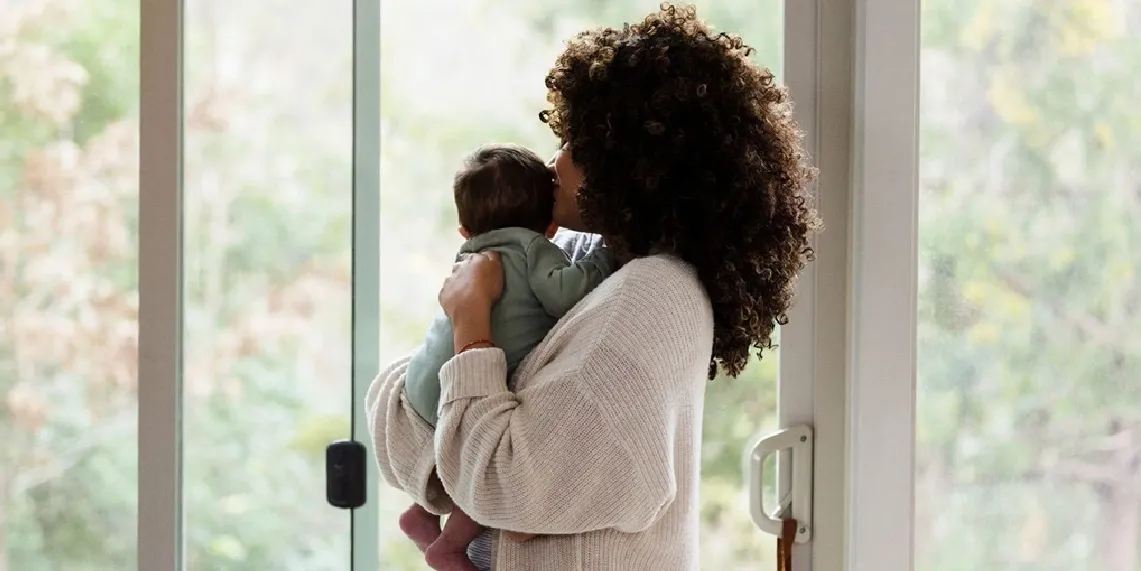
Around the three-month mark, considered the fourth trimester, many women are beginning to feel more physically stable, but this is also when new changes can start to appear.
You may notice shifts such as:
- Increased fatigue as adrenaline from the early weeks wears off
- Hair shedding beginning
- Changes in mood or increased emotional sensitivity
- Continued pelvic discomfort or core weakness
This is also a time when sleep disruption can start to catch up with you. Even if your baby is doing well, your body may still be recovering from pregnancy, delivery, and ongoing hormonal changes.
What to Expect Around 6 Months Postpartum
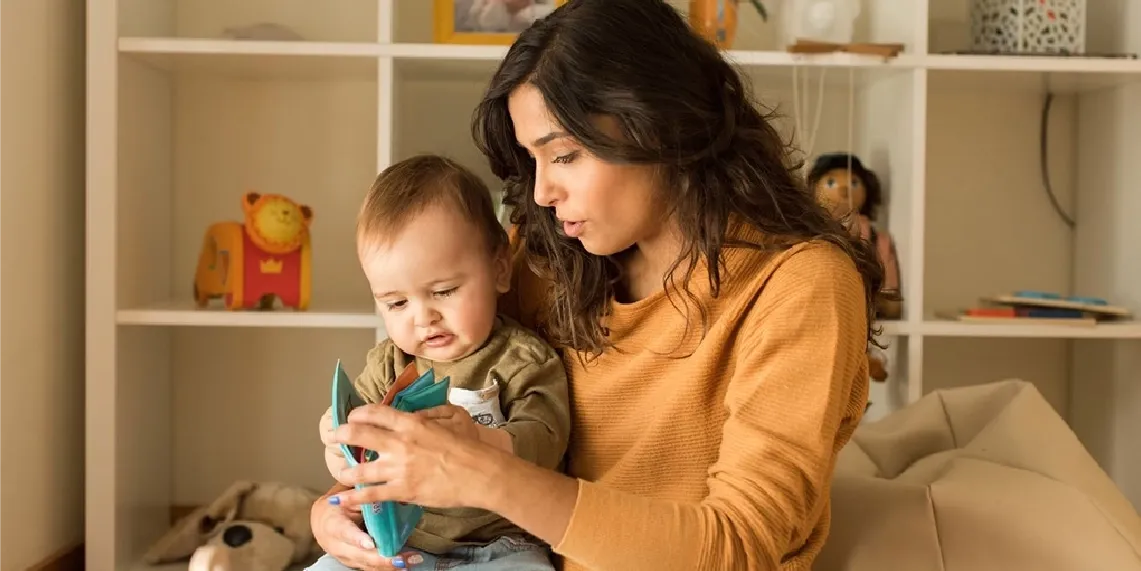
By six months, many women expect to feel “back to normal,” but for many, that’s not the case.
At this stage, you might notice:
- Difficulty losing weight or changes in body composition
- Ongoing pelvic floor symptoms such as leaking or pressure
- Lower energy levels than expected
- Changes in libido
This is also a time when many women begin balancing more responsibilities, which can increase both physical and mental strain.
If something still feels off at this point, it’s worth talking about. You don’t need to wait longer or assume it will resolve on its own.
What to Expect Around 12 Months Postpartum
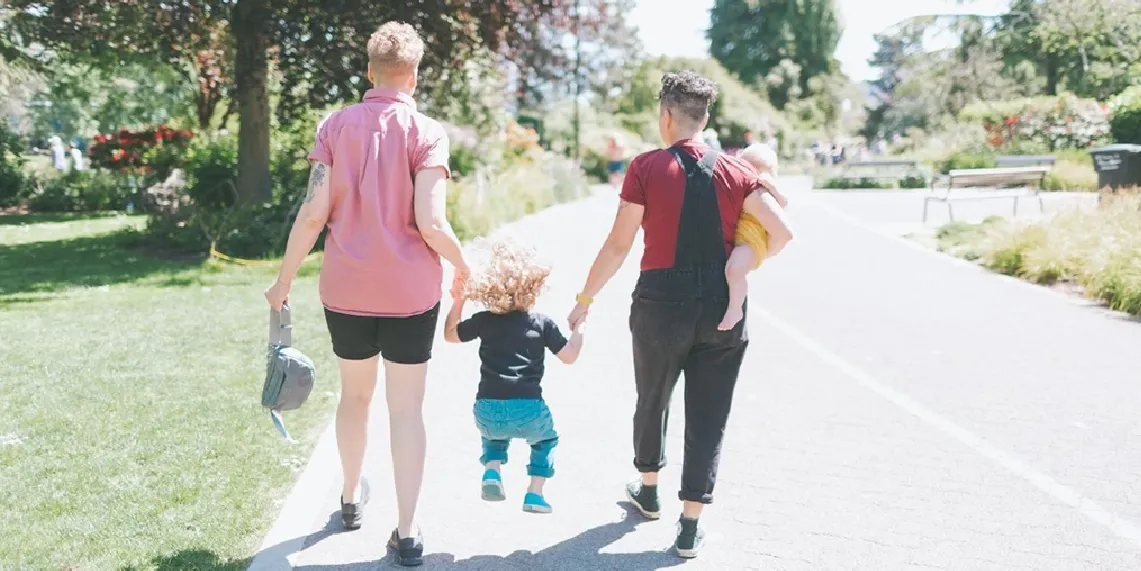
At one year postpartum, many women are still experiencing changes, even if they’ve adjusted to daily routines.
Common experiences include:
- Feeling different in your body compared to before pregnancy
- Ongoing strength or core stability concerns
- Hormonal shifts, especially if breastfeeding has changed or stopped
- Fluctuations in mood or energy
This stage often brings a realization that your body may not return to exactly how it was before, and that’s okay. The focus shifts toward building strength, stability, and long-term health.
What Is Normal, and What Is Not?

There is a wide range of normal when it comes to postpartum recovery. However, there are certain symptoms that are worth addressing rather than waiting out.
You should consider talking with your provider if you experience:
- Ongoing pelvic pain or pressure
- Leaking urine beyond the early postpartum period
- Persistent fatigue that doesn’t improve
- Mood changes that feel overwhelming
- Pain with movement or daily activities
These are common concerns, but they are not something you have to simply live with.
Supporting Your Body Through Recovery

Postpartum recovery is not about rushing back to where you were. It’s about supporting your body as it heals and adjusts.
Some of the most helpful areas to focus on include:
- Gradually rebuilding strength, especially core and pelvic floor
- Prioritizing sleep and rest where possible
- Eating regularly and staying hydrated
- Giving yourself time and realistic expectations
Even small, consistent efforts can make a meaningful difference over time.
When to Schedule an Appointment
If you feel like something isn’t improving or doesn’t feel right, it’s always appropriate to check in.
Postpartum care does not have a strict timeline, and support is not limited to the early weeks. Whether you are three months, six months, or a year postpartum, your health still matters.
Healing Takes Time
Your body has been through a significant transition, and healing takes time.
If you don’t feel like yourself yet, you are not alone. Many women are navigating similar experiences, even if it’s not always talked about openly.
You deserve care, support, and answers at every stage, not just at the beginning.
Frequently Asked Questions
Is it normal to still feel different months after having a baby?
Yes. Postpartum recovery can take many months, and it’s common to experience ongoing physical and hormonal changes well beyond the early weeks.
When should my body feel “back to normal”?
There is no exact timeline. Some aspects of recovery improve within a few months, while others take longer. For many women, the focus shifts toward feeling strong and healthy rather than returning to a previous baseline.
Is it normal to still have pelvic floor symptoms months later?
Pelvic floor symptoms are common but not something you have to live with. If symptoms like leaking or pressure continue, it’s a good idea to talk with your provider.
Why am I still so tired months after having a baby?
Fatigue can be related to sleep disruption, hormonal changes, and the physical demands of caring for a baby. If fatigue feels persistent or worsening, it’s worth discussing.
Can hormones still affect me at 6–12 months postpartum?
Yes. Hormonal changes can continue for many months, especially if breastfeeding patterns change. These shifts can impact mood, energy, and overall well-being.
When should I talk to a doctor about postpartum concerns?
Anytime something feels off or isn’t improving. You don’t need to wait for a specific milestone to seek support.