

As the weather warms up, kids spend more time outside—running through the grass, exploring the woods, and enjoying long evenings outdoors. Along with all that fresh air often comes something a little less welcome: bug bites, rashes, and unexpected skin reactions.
For parents, it can sometimes be hard to tell what’s normal and what needs a closer look. A small bump one day can look very different the next, and not all skin reactions behave the same way.
The good news is that most bites and rashes are mild and resolve on their own. But understanding what you’re seeing can help you feel more confident in how to respond.
Why Skin Reactions Are So Common in Warmer Months

Children’s skin tends to be more sensitive, and their immune systems are still learning how to respond to new exposures.
In spring and summer, a few things come together:
- More time outdoors
- Increased exposure to insects like mosquitoes, ticks, and flies
- Contact with plants, grass, and new environmental allergens
- Heat and sweat, which can irritate the skin
All of this can lead to bumps, redness, itching, and rashes that may look concerning but are often harmless.
Common Bug Bites and What They Look Like
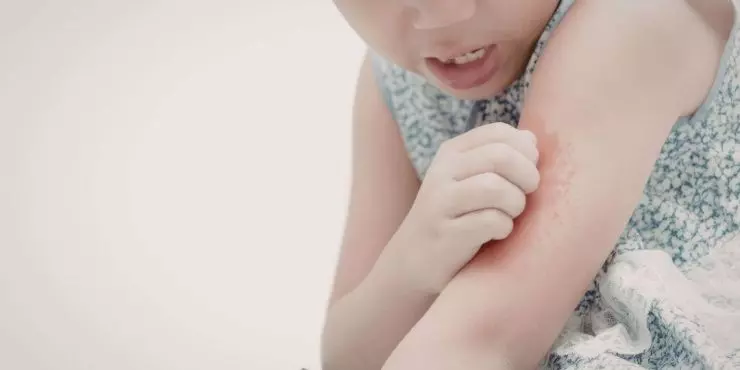
Mosquito bites
These are usually small, raised, and itchy. Some children react more strongly to mosquito bites and may develop larger, swollen areas.
It's common for bites to look more red or inflamed the next day rather than right away.
Tick bites
Tick bites are often painless and may go unnoticed at first. After removal, you may see a small red bump.
Not every tick bite leads to illness, but it’s important to watch for changes over time. If you think the tick has been attached for more than 36 hours, please schedule an appointment or come to one of our urgent cares.
Other insect bites (flies, ants, spiders)
These can vary in appearance but are often:
- Red
- Slightly swollen
- Itchy or mildly painful
Some bites may form a small blister or feel firm to the touch.
Common Rashes and Skin Reactions
Heat rash
Small red bumps, often on the neck, chest, or diaper area, especially in warm weather.
This usually improves with cooler temperatures and keeping the skin dry. Learn more about heat rash in babies.
Contact irritation
This can happen after exposure to grass, plants, sunscreen, or even new soaps or detergents.
It may look like:
- Red patches
- Small bumps
- Itchy or slightly inflamed skin
Mild allergic reactions
Some children develop hives or raised, blotchy areas after a bite or exposure. These often move around and come and go over several hours.
What’s Typically Normal
Most bug bites and mild rashes:
- Stay localized to one area
- Improve within a few days
- Cause mild itching or discomfort
- Do not come with fever or other symptoms
Even if they look dramatic, especially on young children, they often resolve without treatment beyond basic care.
Ways to Help at Home
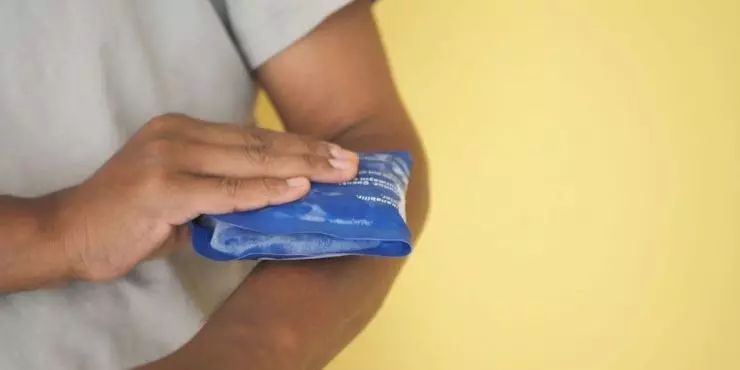
Simple care can go a long way in helping your child feel more comfortable.
- Apply a cool compress to reduce swelling and itching
- Use fragrance-free moisturizers or soothing creams
- Keep nails trimmed to prevent skin breakdown from scratching
- Consider an age-appropriate antihistamine if itching is significant
- Use hydrocortisone cream in small amounts if recommended
Try to avoid over-treating. Often, gentle support is all that’s needed.
When to Take a Closer Look
There are times when a bite or rash deserves more attention.
Schedule a visit if you notice:
- Increasing redness or swelling after the first 24–48 hours
- Warmth, tenderness, or pain at the site
- Drainage, crusting, or signs of infection
- A rash that continues to spread or worsen
- Symptoms that last longer than one to two weeks
When to Seek Care Right Away
Some reactions need more urgent evaluation.
Seek care right away if your child has:
- Difficulty breathing or swelling of the face, lips, or eyes
- A rapidly spreading rash
- A high fever
- Severe pain or significant swelling
- A bull’s-eye rash after a tick bite
- Signs of dehydration or unusual fatigue
These symptoms are less common, but it’s important to act quickly if they occur.
A Quick Note About Tick Bites
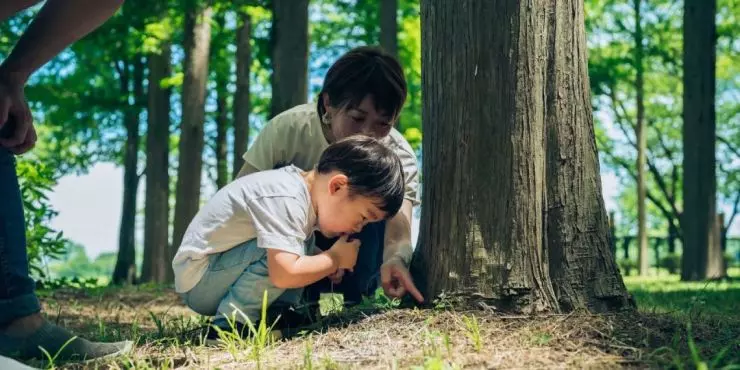
Because we live in Minnesota, tick awareness is especially important.
After any known or suspected tick bite:
- Remove the tick promptly and carefully
- Clean the area with soap and water
- Watch for symptoms over the next few weeks
If the tick may have been attached for more than 36 hours, please schedule an appointment or come to one of our urgent cares. If you notice a rash that expands, flu-like symptoms, or anything that feels off, it’s worth checking in. Early treatment makes a big difference.
Trust What You’re Seeing—and What You’re Feeling
Skin reactions can change quickly, and they don’t always follow a clear pattern. It’s okay if you’re unsure. That’s a very normal part of parenting.
If something looks worse instead of better, if your child seems uncomfortable in a way that concerns you, or if you just want reassurance, we’re here for that.
You’re Not Meant to Figure This Out Alone
Most bites and rashes are part of a healthy, active childhood. They come with outdoor play, exploration, and growing immune systems.
But when something doesn’t feel quite right, you don’t have to wait or second guess yourself.
At Northwest Family Clinics, we’re here to take a look, answer your questions, and help you feel confident in what comes next, whether that’s simple reassurance or a plan for treatment.
Frequently Asked Questions About Bug Bites, Rashes, and Skin Reactions
Why do bug bites look worse the next day?
This is very common, especially in young children. The body’s immune response can build over time, which means redness and swelling often peak 24 to 48 hours after the bite. Even if it looks more dramatic, this doesn’t necessarily mean it’s infected.
How can I tell if a bite is infected?
A bite may be infected if you notice increasing redness, warmth, tenderness, or swelling after a couple of days. Other signs include pus, crusting, or your child saying the area hurts rather than just itches. If it continues to worsen instead of improve, it’s worth having it checked.
Are big, swollen mosquito bites normal in kids?
Yes. Some children have stronger reactions to mosquito bites, and the swelling can look quite large. These are sometimes called “skeeter reactions.” While they can look concerning, they are usually harmless and improve with time and supportive care.
What does a concerning rash look like?
Rashes that spread quickly, are painful, come with fever, or look like bruising or purple spots should be evaluated. A rash that doesn’t fade when pressed or one that is paired with other symptoms is also worth checking.
How do I know if a tick bite is something to worry about?
Most tick bites are harmless. However, you should watch for symptoms in the days to weeks after a bite, including fever, fatigue, joint pain, or a spreading rash—especially one that looks like a bull’s-eye. If you notice any of these or if the tick has been attached for 36 hours or more, schedule an appointment.
Can I use hydrocortisone or antihistamines for my child?
In many cases, yes. A small amount of hydrocortisone cream can help with itching and inflammation, and antihistamines can be useful for more significant reactions. It’s always a good idea to check with your provider for age-appropriate guidance and dosing.
Why does my child keep getting rashes after playing outside?
This can happen due to a combination of bug bites, plant exposure, sweat, and sensitive skin. Some children are simply more reactive. Keeping skin clean, using gentle products, and rinsing off after outdoor play can help reduce irritation.
When should I stop treating at home and call the clinic?
If something is not improving after a few days, seems to be getting worse, or just doesn’t look or feel right to you, that’s a good time to reach out. You don’t need to wait for symptoms to become severe to ask questions or have us take a look.