

Oh the pain of sinus pressure...that heaviness behind the eyes, the fullness in the face, the congestion that makes breathing through your nose feel nearly impossible. It’s the kind of discomfort that leaves us looking for anything that might bring some relief.
It also leads many people to call their doctor and ask about antibiotics, which is completely reasonable, however, sinus pressure and a true sinus infection are not the same thing, and they don’t always require the same treatment. In fact, antibiotics are often not the right answer, even when symptoms feel severe.
Understanding the difference can help you feel better faster, avoid unnecessary medications, and know when it’s actually time to come in. Let us explain.
What’s Actually Happening in the Sinuses
Your sinuses are air-filled spaces located behind your forehead, cheeks, eyes, and nose. Under normal conditions, they produce a thin layer of mucus that helps trap dust, bacteria, and other particles. That mucus is moved out by tiny hair-like structures and drains naturally into your nasal passages.
When the lining of the sinuses becomes inflamed, that system doesn’t work as well. Mucus thickens, drainage slows, and pressure builds.
That pressure is what creates the symptoms most people associate with “sinus problems.”
The cause of that inflammation is what matters most because it determines what treatment will actually help.
The Most Common Causes of Sinus Pressure
The most common cause of sinus pressure is not a bacterial infection. It’s a cold/virus or allergies.
With a cold, the virus triggers inflammation in the nose (nasal passages). This leads to swelling, increased mucus production, and congestion that goes into the sinuses. The pressure can feel intense, but the underlying cause is viral, which means antibiotics won’t help.
Allergies create a very similar response. The immune system reacts to triggers like pollen, mold, or pet dander, leading to swelling and congestion. In Minnesota, we see this frequently during both spring and fall allergy seasons.
Environmental factors can also play a role. Dry air, smoke, strong scents, and pollution can all irritate the sinuses and cause pressure without any infection present.
A true bacterial sinus infection, called acute bacterial sinusitis, typically develops after the sinuses have already been inflamed and blocked. It’s a secondary complication, and it’s much less common than most people think.
Studies suggest that only a small percentage of colds, around 0.5 to 2 percent, actually turn into bacterial sinus infections, so it’s actually rare. Meaning, most sinus issues do not need antibiotics.
What Sinus Pressure Without Infection Feels Like

Sinus pressure related to a cold or allergies tends to follow a pattern. It usually starts with typical cold symptoms like congestion, runny nose, sore throat, or sneezing. As inflammation increases the pressure sensation develops in the face and sinuses.
That pressure is often felt on both sides of the face and may worsen when bending forward or lying down.
One common misconception we hear often is that green or yellow mucus means a bacterial infection. In reality, mucus color changes naturally during a cold as your immune system responds. Color alone is not a reliable indicator of infection and does not mean antibiotics are needed.
In most cases, symptoms peak within a few days and gradually improve. Viral sinus congestion typically resolves within 7 to 10 days.
What Makes a Sinus Infection Different

A bacterial sinus infection has a different pattern, and this is one of the most important distinctions. In primary care, we look less at how severe symptoms feel and more at how they behave over time.
There are two patterns that suggest a bacterial infection:
- The first is what we call “double worsening.” You start to feel better after a cold, and then symptoms suddenly worsen again, often around day 7 to 10. This is one of the clearest signs that a secondary infection may have developed.
- The second is symptoms that either don’t improve at all after 10 days or are unusually severe from the start.
Other signs that point more toward a bacterial infection include:
- Fever above 102°F
- Severe facial pain, especially on one side
- Pain or pressure in the upper teeth
- Symptoms that feel significantly worse than a typical cold
Pain that is only on one side of the face, particularly in the cheek area, is another clue we often look for.
Chronic Sinus Issues Are Different
If sinus symptoms last longer than 12 weeks or keep coming back, that’s considered chronic sinusitis. In these cases, the cause is often not usually an infection. More commonly, it’s related to underlying issues like allergies, nasal polyps, or structural differences in the nasal passages.
Repeated antibiotics are not an effective long-term solution for chronic sinus symptoms. A thorough evaluation is usually needed to identify what’s actually driving the problem.
If you feel like you’re constantly dealing with sinus issues, it’s worth having a conversation with your provider.
What Actually Helps Sinus Pressure
Whether symptoms are caused by a cold, allergies, or early inflammation, there are several things that consistently help.
- Nasal saline rinses are one of the most effective and underused tools we recommend. They help flush out mucus, reduce inflammation, and improve drainage. Using distilled or previously boiled water is important for safety.
- Steam and humidity can also provide relief. Warm showers, humidifiers, or even sitting in a steamy bathroom can help loosen congestion.
- Hydration matters more than most people realize. Drinking enough water helps thin mucus and supports normal sinus function.
- Over-the-counter decongestants can be helpful for some people, but they’re not appropriate for everyone and should only be used for a short time. If you have high blood pressure or certain medical conditions, it’s best to check before using them.
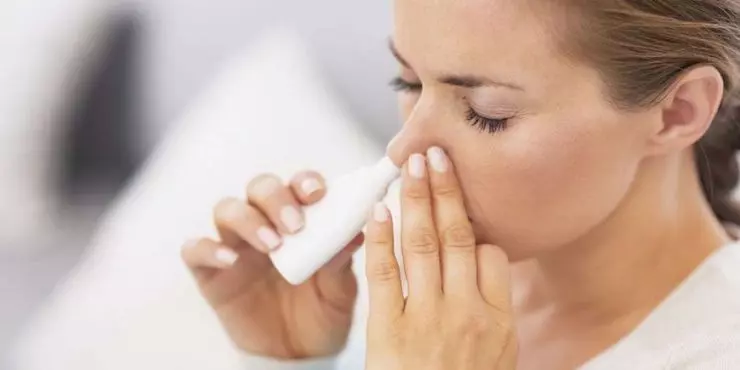
- Nasal sprays like oxymetazoline can work quickly but should only be used for up to three days to avoid rebound congestion.
- If allergies are part of the picture, antihistamines or nasal steroid sprays are often the most effective treatment.
- Pain relievers like ibuprofen or acetaminophen can help manage discomfort, and warm compresses can provide additional relief.
When Antibiotics Are Actually Needed
This is one of the most common questions we get. Antibiotics are appropriate when a bacterial infection is present. We know your symptoms may be uncomfortable, but remember if it is viral, antibiotics do not help and may actually help to create antibiotic resistance, which we are very mindful of.
Antibiotics may be used if:
- Symptoms worsen after initially improving
- Symptoms last more than 10 days without improvement
- There is high fever with severe, localized facial pain
Even then, many cases can still improve without antibiotics, and sometimes a short period of watchful waiting is appropriate.
When to Schedule an Appointment with Northwest Family Clinics

Most sinus symptoms improve on their own, but there are times when it’s important to reach out.
Schedule an appointment if you experience:
- Fever above 102°F
- Severe headache that feels different than usual
- Vision changes or swelling around the eyes
- Confusion or difficulty thinking clearly
- Stiff neck
- Symptoms follow a “double worsening” pattern
- Symptoms haven’t improved after 10 days
- Pain is severe or localized to one side
- You’re experiencing significant tooth or jaw pain
If sinus issues are happening frequently, it’s worth taking a closer look at what might be causing them.
Frequently Asked Questions
How do I know if it’s a sinus infection or just pressure? H3
The biggest clue is timing. If symptoms improve within a week, it’s likely viral. If they worsen again or last beyond 10 days, it may be bacterial.
Does green mucus mean infection? H3
No. Color changes are a normal part of the immune response and don’t indicate the need for antibiotics.
Will antibiotics help? H3
Only if the cause is bacterial. Most sinus symptoms are not.
How long should I wait before calling a doctor? H3
If symptoms aren’t improving after 10 days or worsen after getting better, it’s a good time to call.
What helps sinus pressure the fastest? H3
Saline rinses, hydration, steam, and decongestants are the most effective options.
Can allergies feel like a sinus infection? H3
Yes. Allergy-related inflammation can feel very similar to infection and is a common cause of sinus pressure.