

Summer means more time in the water, and more time in the water means more ear complaints. It's one of the most predictable patterns in pediatric care during the warm months, and it's also one of the most commonly confused situations parents encounter.
Ear pain after swimming gets labeled as swimmer's ear. Ear pain during or after a cold gets labeled as an ear infection. But the two conditions are frequently mixed up, and that matters because the treatment for one does not work for the other. Giving the wrong treatment not only fails to help, it can sometimes make things worse.
Understanding the difference between swimmer's ear and a middle ear infection is genuinely practical knowledge for any parent navigating a Minnesota summer full of pool days, lake trips, and the inevitable colds that follow kids wherever they go.
Two Different Parts of the Ear, Two Different Problems
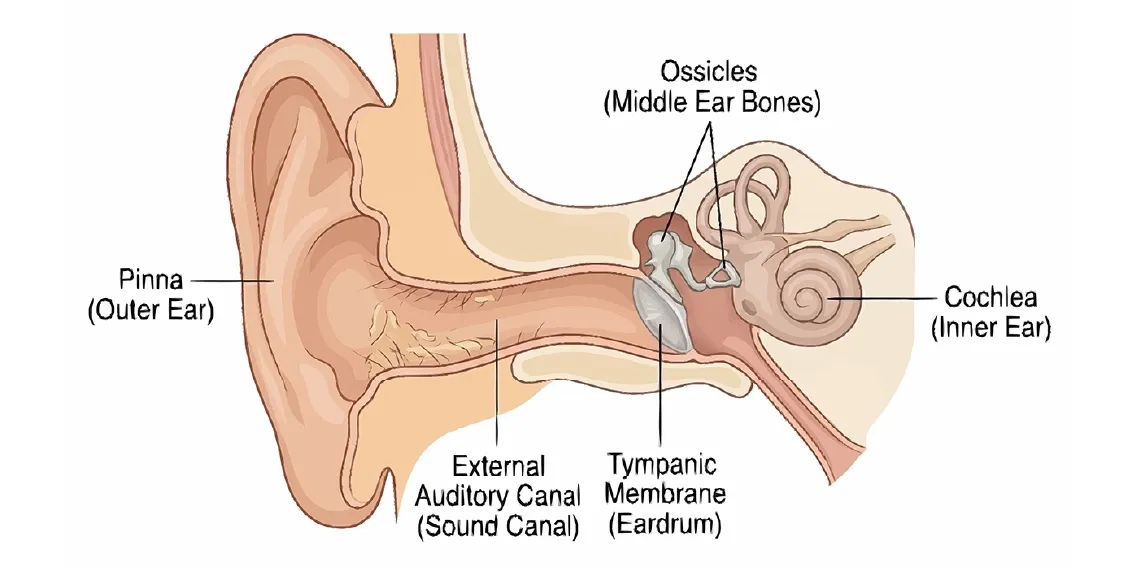
The confusion between swimmer's ear and a middle ear infection starts with anatomy, so it helps to understand what is actually being compared.
The ear has three distinct sections. The outer ear is the visible part of the ear and the ear canal, the tube-shaped passage that leads from the outside world to the eardrum. The middle ear is the space behind the eardrum where the tiny bones of hearing are located and where the eustachian tube connects the ear to the back of the throat. The inner ear contains the structures responsible for hearing and balance.
- Swimmer's ear, known medically as otitis externa, is an infection of the outer ear canal. It happens on the outside of the eardrum.
- A middle ear infection, known medically as otitis media, is an infection of the space behind the eardrum. It happens on the inside of the eardrum.
These are anatomically separate locations, caused by different mechanisms, producing somewhat different symptoms, and requiring entirely different treatments. Ear drops prescribed for swimmer's ear cannot reach the middle ear because the eardrum blocks them. Oral antibiotics prescribed for a middle ear infection don't address the infected skin of the outer ear canal in the way topical treatment does.
What Causes Swimmer's Ear
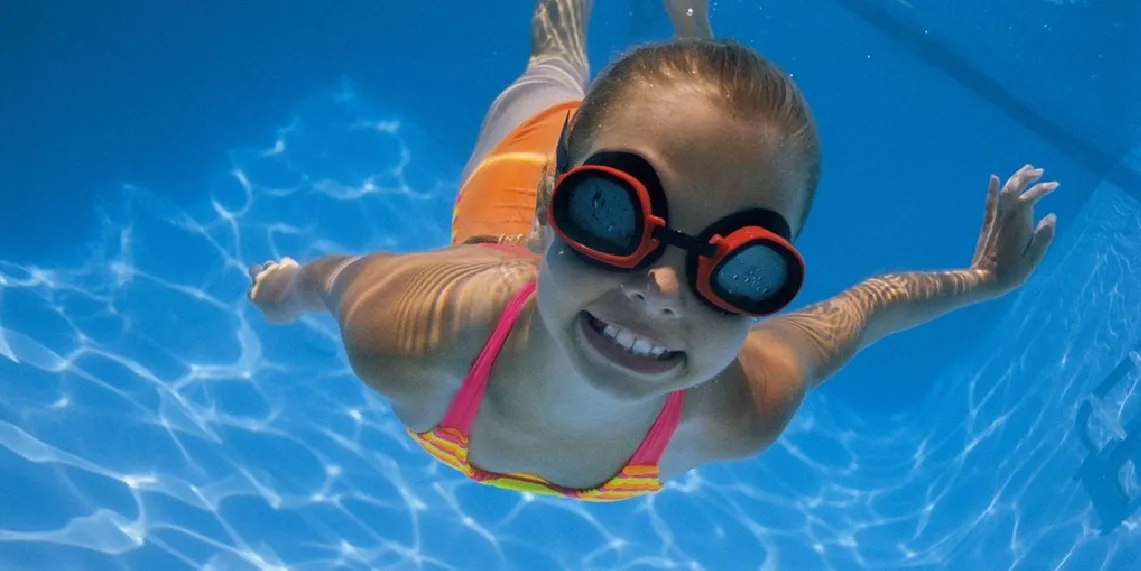
Swimmer's ear develops when moisture becomes trapped in the outer ear canal and disrupts the skin's natural defenses. The ear canal has a naturally slightly acidic environment and a self-cleaning mechanism involving the slow outward migration of earwax that protects the skin from infection. When water sits in the canal for extended periods, it raises the pH, softens the skin, and washes away the protective earwax layer. This creates conditions in which bacteria or occasionally fungi can multiply and infect the skin of the canal.
Swimming is the most common cause, which is how the condition got its common name, but swimmer's ear can develop in anyone whose ear canals are exposed to excess moisture. Frequent bathing, humid environments, excessive sweating, and even attempting to clean the ears with cotton swabs can all contribute by either introducing moisture or disrupting the protective earwax layer.
Cotton swab use deserves particular mention because it is one of the most common ways people inadvertently set themselves up for swimmer's ear. Cotton swabs push earwax deeper into the canal, remove the protective layer, and can cause small abrasions in the canal skin that make infection easier to establish. The ear canal is self-cleaning and earwax does not need to be removed by swabbing.
Certain factors increase the risk of swimmer's ear. Narrow ear canals that trap water more easily, eczema or other skin conditions affecting the canal, and excessive earwax buildup that traps moisture are all contributing factors.
What Causes Middle Ear Infections

Middle ear infections develop through a completely different mechanism. They are almost always related to upper respiratory infections, colds, allergies, or other conditions that affect the eustachian tube.
The eustachian tube connects the middle ear to the back of the throat and serves several important functions. It equalizes pressure on either side of the eardrum and drains fluid from the middle ear. When a cold, allergies, or upper respiratory infection causes inflammation and swelling in the throat and nasal passages, the eustachian tube can become blocked or stop functioning normally. Fluid accumulates in the middle ear and bacteria or viruses from the upper respiratory tract can travel up the eustachian tube and infect that fluid.
This is why middle ear infections so commonly follow or accompany colds in children. Children are particularly prone to middle ear infections because their eustachian tubes are shorter, more horizontal, and floppier than those of adults, making them less efficient at drainage and easier for bacteria to travel through.
Middle ear infections are not caused by getting water in the ear and they are not prevented by keeping the ears dry. Water that enters the ear canal during swimming stays on the outside of the eardrum and cannot reach the middle ear in a person with an intact eardrum.
How to Tell Them Apart: The Key Differences
Knowing which condition is which comes down to a specific set of distinguishing features that, once known, make the two much easier to tell apart.
The location and nature of the pain is the most useful distinguishing feature:
- Swimmer's ear causes pain that is located at the ear canal and outer ear. The most telling sign of swimmer's ear is pain when the outer ear is touched or moved. Pulling on the earlobe, pressing on the small cartilage bump in front of the ear canal called the tragus, or moving the outer ear produces pain in swimmer's ear that is often significant and immediate. This is called tragus tenderness and it is one of the most reliable signs that an infection is in the outer ear rather than behind the eardrum.
- Middle ear infections cause pain that originates behind the eardrum. The outer ear itself is not tender to touch. Pulling on the earlobe or pressing the tragus does not significantly worsen the pain.
The timing and context provide important clues:
- Swimmer's ear almost always develops after prolonged water exposure. The pain typically begins within 12 to 24 hours of swimming or other water activity and worsens over the following day or two. There is usually no cold or upper respiratory illness preceding it.
- Middle ear infections typically develop during or shortly after a cold, upper respiratory infection, or allergy flare. A child who has had a runny nose and congestion for several days and then develops ear pain is much more likely to have a middle ear infection than swimmer's ear.
The appearance of the ear canal differs:
- A doctor examining the ear canal in swimmer's ear will typically see redness, swelling, and sometimes discharge in the outer canal. The canal may be so swollen that it's difficult to see the eardrum at all. There may be visible flaking skin, debris, or discharge in the canal.
- In a middle ear infection, the outer ear canal typically appears normal. The eardrum itself may appear red, bulging, or have fluid visible behind it, but these findings require a doctor with an otoscope to assess.
Discharge, when present, differs:
- Swimmer's ear frequently produces discharge from the outer ear canal. This discharge is typically thin or watery at first and may become thicker as the infection progresses. It comes from the infected skin of the canal itself.
- Middle ear infections can produce discharge if the eardrum ruptures, which is actually a relief of pressure and pain rather than a worsening. This discharge tends to be thicker than swimmer’s ear and may appear green, yellow, or cloudy. A ruptured eardrum typically heals on its own.
Muffled hearing:
- In swimmer’s ear muffled hearing is caused by swelling of the ear canal or discharge blocking the canal.
- In middle ear infections, muffled hearing is caused by fluid behind the eardrum interfering with its vibration.
Fever:
Fever is more commonly associated with middle ear infections than with swimmer's ear, though neither condition always produces fever and the presence or absence of fever alone is not a reliable distinguishing feature.
Treating Swimmer's Ear

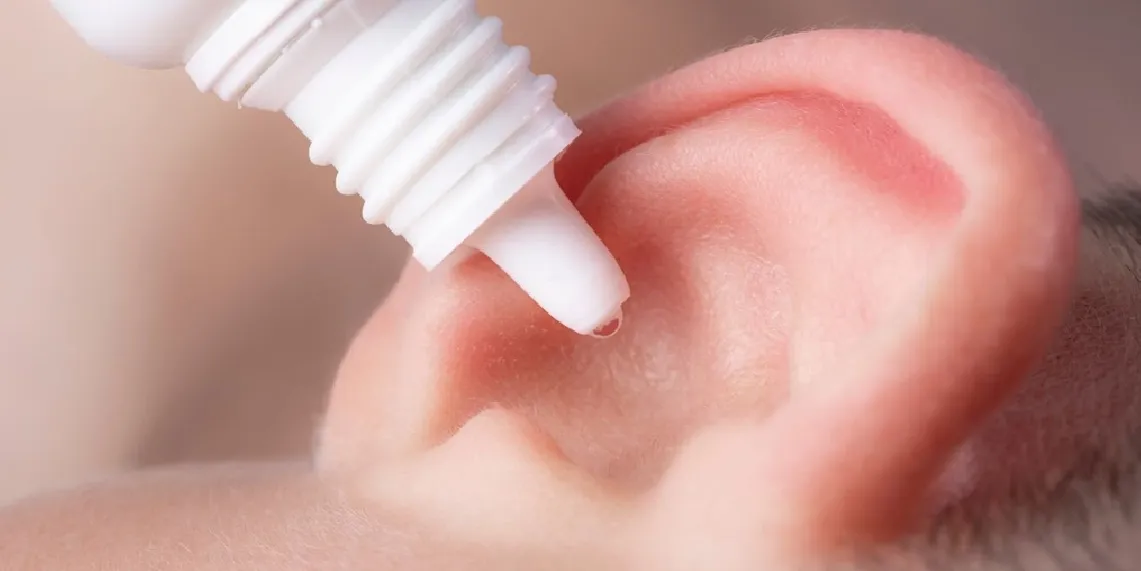
Swimmer's ear is treated with ear drops rather than oral antibiotics in most cases. Prescription antibiotic ear drops, sometimes combined with a corticosteroid to reduce swelling and inflammation, are the standard treatment and are highly effective. The drops are placed directly into the ear canal and treat the infection at its source.
Pain management with ibuprofen or acetaminophen is appropriate while the drops are taking effect, as swimmer's ear can be quite painful in the first day or two of treatment.
Keeping the ear dry during treatment is important. This means avoiding swimming and keeping water out of the affected ear during showers or baths. A cotton ball with a small amount of petroleum jelly placed at the ear canal opening can help keep water out during bathing.
Most cases of swimmer's ear improve significantly within two to three days of starting ear drops and resolve fully within seven to ten days.
Severe swimmer's ear with significant swelling that prevents ear drops from reaching the canal may require a wick, a small piece of compressed material placed in the canal by a doctor to hold the canal open and allow drops to penetrate. This is less common but worth knowing about for cases that don't respond to drops alone.
Treating Middle Ear Infections
Middle ear infection treatment depends on the age of the child, the severity of symptoms, and whether the infection appears bacterial or viral.
Current guidelines support a period of watchful waiting for many middle ear infections in children over 2 years of age with mild to moderate symptoms, because a significant proportion of middle ear infections, particularly those caused by viruses, resolve on their own without antibiotics. This is not neglect. It is evidence-based practice that avoids unnecessary antibiotic use in cases likely to resolve independently.
For children under 2 years, for severe symptoms at any age, for infections affecting both ears, or for symptoms that don't improve within 48 to 72 hours of watchful waiting, antibiotics are typically prescribed.
Ear drops, including the antibiotic drops used for swimmer's ear, do not treat middle ear infections because the eardrum blocks them from reaching the middle ear space where the infection is located.
Pain management with ibuprofen or acetaminophen is appropriate and important because middle ear infections can be very painful. Warm compresses applied to the outside of the ear can provide additional comfort.
Children who experience frequent recurrent middle ear infections may be candidates for evaluation by an ear, nose, and throat specialist and a discussion about ear tubes, which are small ventilation tubes placed through the eardrum to improve drainage and reduce infection frequency.
Preventing Swimmer's Ear
Swimmer's ear is largely preventable with a few consistent habits that are easy to build into summer water routines.
Drying the ears thoroughly after swimming or bathing is the most important preventive step. Tilting the head to each side after getting out of the water and allowing water to drain, then gently drying the outer ear with a soft towel, goes a long way toward preventing the moisture accumulation that allows swimmer's ear to develop.
A hair dryer on a low, cool setting held at a distance of several inches from the ear can help dry the ear canal after swimming in children prone to swimmer's ear. The air should be comfortable and not hot.
Over-the-counter preventive ear drops containing a dilute alcohol and acetic acid solution can be used after swimming to help acidify and dry the ear canal. These are available without a prescription and can be useful for children who swim frequently and are prone to swimmer's ear.
Not using cotton swabs to clean the ear canal is important for the reasons described earlier.
Custom or over-the-counter swim earplugs can help keep water out of the canal during swimming for children who are particularly prone to swimmer's ear.
When to Schedule an Appointment with Northwest Family Clinics
Both conditions warrant a visit to the doctor for proper diagnosis and treatment. Unlike many common childhood ailments that can be managed with watchful waiting at home, swimmer's ear benefits from prescription ear drops and middle ear infections require a doctor's assessment to determine whether antibiotics are appropriate.
Parents should call promptly rather than waiting when ear pain is severe, when a child has a high fever alongside ear pain, when there is significant swelling around the ear or jaw, when ear pain is accompanied by dizziness or significant hearing loss, or when symptoms aren't improving after a day or two of home management.
In infants under 6 months, any ear pain or signs of ear discomfort should be evaluated promptly.
It is also worth calling when there is uncertainty about which condition is present, because getting the diagnosis right is the most important step toward getting the treatment right. A parent who isn't sure whether they're dealing with swimmer's ear or a middle ear infection is doing exactly the right thing by scheduling an appointment rather than guessing.
Frequently Asked Questions
How do I know if my child has swimmer's ear or an ear infection?
The most useful distinguishing sign is where the pain is located. Swimmer's ear causes pain when the outer ear is touched or when the small cartilage bump in front of the ear canal is pressed. Middle ear infections cause pain behind the eardrum and the outer ear is not tender to touch. Swimmer's ear typically follows water exposure without a preceding cold. Middle ear infections typically follow or accompany a cold or upper respiratory illness.
Can swimmer's ear turn into a middle ear infection?
They are separate conditions affecting different parts of the ear and one does not typically turn into the other. However, a child can have both conditions simultaneously, which is another reason a proper diagnosis by a doctor rather than home treatment alone is worthwhile when ear pain is present.
Do ear drops help middle ear infections?
No. Antibiotic ear drops treat the outer ear canal and cannot penetrate through the eardrum to reach the middle ear where the infection is located. Middle ear infections require oral antibiotics when antibiotics are indicated, not ear drops.
Can a child get swimmer's ear without swimming?
Yes. Any situation that introduces prolonged moisture into the ear canal can cause swimmer's ear, including frequent bathing, very humid environments, excessive sweating, or using cotton swabs that disrupt the protective earwax layer.
How long does swimmer's ear last?
With appropriate treatment using prescription antibiotic ear drops, swimmer's ear typically improves significantly within two to three days and resolves fully within seven to ten days. Without treatment it can persist and worsen significantly.
Should I use over-the-counter ear drops for my child's ear pain?
Over-the-counter ear drops designed to soften earwax or provide mild pain relief are not the same as the prescription antibiotic drops needed to treat swimmer's ear. They are not appropriate substitutes. If swimmer's ear or a middle ear infection is suspected, a doctor's assessment is the most important first step.
How do I prevent swimmer's ear in my child this summer?
Dry the ears thoroughly after every swim by tilting the head to drain water and gently drying the outer ear. Consider over-the-counter preventive ear drops after swimming for children who are prone to swimmer's ear. Avoid using cotton swabs in the ear canal. Swim earplugs can help for children who swim very frequently and are repeatedly affected.
Is it safe for my child to swim with a middle ear infection?
In most cases, swimming with a middle ear infection is safe as long as the eardrum is intact, because water cannot reach the middle ear through an intact eardrum. However, it is worth checking with a doctor because comfort and individual circumstances vary. Swimming with swimmer's ear should be avoided until the infection resolves because water exposure will delay healing.