
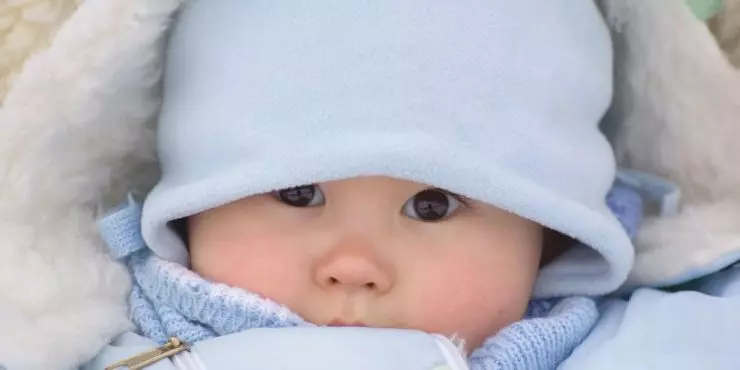
Winter in Minnesota is beautiful, cozy, and… cold. If you’re navigating your first season with a baby, you’re not alone in wondering how to dress them, when it’s safe to go outside, and what to do about bulky coats and car seats. Below is a practical, pediatrician-approved guide to help you keep your little one warm, comfortable, and safe all season long.
How to Dress a Baby for Cold Weather

The key to keeping an infant comfortable and safe in cold weather is a strategic approach to layering, which helps regulate body temperature and prevents both hypothermia (getting too cold) and overheating.
- Layer, then adjust. A good rule of thumb is one more layer than you’re wearing. Start with a moisture-wicking base layer (not cotton, as dampness accelerates heat loss), add a cotton or fleece middle layer for insulation, and finish with a weather-appropriate outer layer (like a snowsuit or windproof shell) for outdoor time. For babies with sensitive skin these layers may need to be reversed so 100% cotton is against Baby’s skin.
- Hats, mittens, booties. Babies lose heat quickly through the head and extremities—up to 25% of their body heat can be lost through the head. Keep a soft hat on outdoors, plus mittens and warm booties or socks. Ensure clothing remains dry; wet clothes dramatically increase the risk of a rapid drop in core body temperature.
- Watch for overheating indoors. Overheating (hyperthermia) is a risk indoors, which can increase the risk of Sudden Infant Death Syndrome (SIDS). Signs include flushed cheeks, damp hair, fussiness, or a fast heartbeat. Remove a layer and recheck the baby in 10–15 minutes.
- Sleepwear and SIDS Prevention. Use a wearable blanket, footed sleeper, or sleep sack instead of loose blankets, which pose a suffocation risk and are a key risk factor for SIDS. Typical nursery temperatures are 68–72°F, with a sleep sack weight (measured in TOG or thickness) that matches your home’s warmth. If hands and nose are cool but the chest and back feel warm, the baby is in a good thermal zone.
- Skin Care Protocol. Dry winter air can compromise the baby's skin barrier, leading to irritation. Choose fragrance-free creams or ointments after baths and before outdoor time to lock in moisture and protect against windburn.
Car Seat Safety in Winter: Preventing Harness Slack
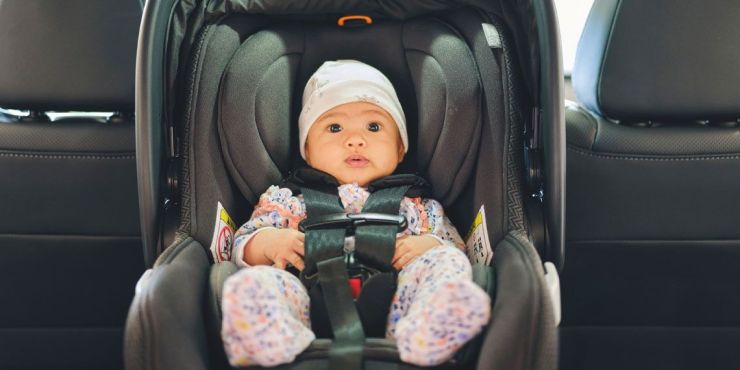
Bulky coats and snowsuits are never safe under car seat harnesses. The padding in a thick coat can compress in a crash, creating dangerous slack that allows the child to be ejected from the harness, even if the straps seem tight.
- The "Dress Thin, Stay Warm" Rule. Put your baby in thin, warm layers such as footed pajamas with a fleece layer.
- The Pinch Test: Buckle and tighten the harness, then try to pinch the webbing vertically at the collarbone. If you can pinch the strap, it is too loose. The harness should be snug with no slack.
- Add Warmth Over the Straps. Place a blanket or car seat poncho over the harness after buckling and tightening. Use only car seat covers that go over the shell of the seat and do not go under the baby or the straps.
- Car Overheating Risk. Remove hats and unzip layers after the car warms up to prevent overheating in the car seat, which is easy to miss.
- Aftermarket Devices. Do not use aftermarket inserts or strap pads not included with your seat, as they are not crash-tested and can affect crash performance.
- Positioning: The chest clip should sit at armpit level, and rear-facing is safest for as long as possible (ideally until age 2) within the seat’s weight and height limits.
Outdoor Time and Hypothermia Risk

Healthy, full-term babies can enjoy short outdoor time with the right gear, but caution is essential, especially with wind chill.
- Minnesota Temperature Guide:
- 32°F and above: Short walks are generally fine with appropriate layers and wind protection.
- 20–32°F: Keep outings brief (e.g., less than 30 minutes) and out of the wind.
- Below 20°F or when wind chills are below 0°F: Limit activity to essential trips from the house to the car.
- Newborn Exception: Newborns under 2 months and preemies should be kept indoors except for quick transitions in very cold weather.
- Wind Chill Impact: Wind chill dramatically increases heat loss. Use a weather shield on the stroller and avoid exposed, windy areas.
- Monitoring: Check the baby often. A warm chest and back with cool hands is acceptable.
- Hypothermia warning signs include a cool chest, pale or blotchy skin, unusual sleepiness, or irritability. Head inside immediately to warm up slowly.
Quick Minnesota-Specific Checklist
- Check the wind chill before you go. Bring a backup hat and mittens.
- Warm the car safely before you load baby, but never in a closed garage due to carbon monoxide risk.
- Keep a winter car kit: blankets, extra diapers, wipes, small snacks for adults, water, phone charger, and a spare sleeper for baby.
- Shoveling and sledding can wait. Avoid sledding with infants and keep the baby indoors during active snow removal due to cold and exhaust exposure.
Frequently Asked Questions (FAQ)
| Question | Answer |
| Q: Is a wearable blanket better than a regular blanket for sleep? | A: Yes. A wearable blanket or sleep sack is strongly recommended by pediatricians over loose blankets to reduce the risk of accidental suffocation and SIDS. |
| Q: What is a safe indoor temperature for my baby’s room? | A: A temperature between 68–72°F is generally recommended to prevent overheating, which is a risk factor for SIDS. Always use a wearable blanket matched to your home’s warmth. |
| Q: How can I tell if my baby is too hot or too cold? | A: Check their chest and back. If the chest is cool, they are too cold (hypothermia risk). If the chest/neck is sweaty or damp, they are too hot (overheating/SIDS risk). Cool hands and feet alone are usually okay. |
Car Seat & Travel
| Question | Answer |
| Q: Why can't my baby wear a snowsuit in the car seat? | A: The material in bulky coats and snowsuits compresses dramatically upon impact in a crash, creating excessive slack in the harness. This slack can lead to the baby being improperly restrained or ejected. |
| Q: What is the "Pinch Test"? | A: The Pinch Test is used to check harness tightness. After buckling, try to pinch the strap vertically at the collarbone. If you can pinch any slack, the straps are too loose and must be tightened until no slack can be pinched. |
| Q: Can I use a car seat cover? | A: You can use a cover that goes over the outside shell of the car seat. Never use a cover, insert, or bunting that goes under the baby or in between the baby and the harness straps, as these compromise safety. |
Health & General Safety
| Question | Answer |
| Q: What humidity level is best for my home in winter? | A: Aim for 40–50 percent humidity to help ease dry skin and stuffy noses. Humidifiers should be cleaned every 2–3 days to prevent mold growth. |
| Q: When should I call the doctor? | A: Call your provider immediately for a rectal temperature of 100.4°F or higher in babies under 3 months, fast/hard/noisy breathing, blue/pale lips or face, poor feeding with fewer than 3 wet diapers in 24 hours, extreme sleepiness, or persistent fussiness. |
| Q: Should I bathe my baby less often in the winter? | A: Yes, two to three short, lukewarm baths per week are usually sufficient in winter to avoid drying out their skin. Always pat dry and apply a fragrance-free moisturizer right away. |
We’re Here To Help
If you need help tailoring winter routines for your baby, we’re happy to guide you. Northwest Family Clinics serves families in Crystal, Plymouth, and Rogers with same- or next-day appointments during cold and flu season. Reach out anytime for dressing tips, car seat checks, or illness questions. You know your baby best; we’re here to support you through every Minnesota winter.
Other Articles You Might Like:
Sick Baby: When to Treat at Home and When to Call the Doctor
Is My Baby’s Digestion Normal? Signs, Sounds, and When to Call the Doctor
Diaper Rash: Causes, Treatments, and Prevention Tips