

Skin cancer is the most common cancer in the United States. Not one of the most common. The most common. More people are diagnosed with skin cancer each year than all other cancers combined, and more than 9,500 new cases are diagnosed every single day.
Those numbers sound alarming, and they are meant to. But here is the part of the skin cancer conversation that doesn't get said loudly enough: the vast majority of skin cancers are preventable. And the ones that do develop are among the most treatable cancers that exist when they are caught early.
Understanding what skin cancer looks like, what causes it, and what actually prevents it is some of the most practically useful health knowledge a parent can have going into summer. Here is what the doctors at Northwest Family Clinics want every family to know.
Why Summer Matters for Skin Cancer Prevention

Spending more time outdoors is one of the great joys of a Minnesota summer, and no one is suggesting otherwise. But more time outside means more UV exposure, and cumulative UV exposure over a lifetime is the primary driver of skin cancer risk.
UV radiation from the sun damages the DNA in skin cells. Most of the time the body repairs that damage. But with repeated exposure over years, some of that damage accumulates and can lead to abnormal cell growth, which is what skin cancer is.
One statistic worth carrying into summer: having five or more sunburns in a lifetime doubles the risk of developing melanoma, the most serious form of skin cancer. A sunburn is not just uncomfortable. It is a sign of genuine DNA damage in the skin. Every burn adds up.
The other statistic worth knowing: one in five Americans will be diagnosed with skin cancer by the age of 70. That is not a rare outcome. It is a common one, and it is largely shaped by choices made during the sun-filled decades of life.
The Three Main Types of Skin Cancer
Not all skin cancers are the same. Understanding the differences helps with knowing what to look for and how seriously to take different findings.
Basal Cell Carcinoma
Basal cell carcinoma, often called BCC, is the most common type of skin cancer. It develops in the basal cells, which are the cells in the deepest layer of the outer skin.
BCC typically appears on areas of the body that get the most sun over time, including the face, head, neck, and hands. It most often looks like a flesh-colored or pearly bump that may have a slightly shiny appearance, or a flat pinkish patch of skin that can look like a scar. It may also appear as a sore that bleeds, crusts over, and then seems to heal but keeps returning.
The good news about BCC is that it rarely spreads to other parts of the body. It grows slowly and is highly treatable when caught early. The concern is that if it is left untreated it can grow deeper into the skin and cause significant local damage.
Squamous Cell Carcinoma
Squamous cell carcinoma, or SCC, is the second most common type. It develops in the squamous cells, which make up the outer layers of the skin.
SCC tends to look like a red, firm bump, a rough or scaly patch that may bleed when scraped, or a sore that heals and then reopens. Like BCC, it most commonly appears on sun-exposed areas but can also develop in areas that aren't typically exposed to sun, including inside the mouth, on the lips, and on the genitals.
SCC is more likely to spread than BCC if left untreated, which is why prompt evaluation of anything suspicious is worthwhile. When caught and treated early, the outlook is excellent.
Both BCC and SCC are more common in people with fair or light skin, though people of all skin tones can develop any type of skin cancer. People with darker skin tones are often diagnosed at later stages because awareness that skin cancer can affect them is lower, which is a gap worth closing.
Melanoma
Melanoma is the least common of the three main types but the most serious because it is the most likely to spread to other parts of the body if not caught early.
Melanoma develops in the melanocytes, the cells responsible for producing the pigment that gives skin its color. It can appear as a new dark spot on the skin that looks different from surrounding moles, or it can develop within an existing mole that begins to change.
The ABCDE rule is the most widely used tool for identifying moles and spots that warrant a doctor's attention:
A is for Asymmetry. One half of the mole or spot does not match the other.
B is for Border. The edges are irregular, ragged, notched, or blurred rather than smooth and well-defined.
C is for Color. The color is not uniform and may include different shades of brown or black, or areas of pink, red, white, or blue.
D is for Diameter. The spot is larger than about the size of a pencil eraser, roughly 6 millimeters, though melanomas can be smaller when first detected.
E is for Evolving. Any mole or spot that is changing in size, shape, color, or any other characteristic, or that is new, deserves attention.
Any spot that meets one or more of these criteria is worth showing to a doctor. Most will turn out to be benign, but the ones that aren't are the ones where catching it early makes all the difference.
What Actually Causes Skin Cancer

The primary cause of most skin cancers is ultraviolet radiation from the sun and from artificial sources like tanning beds.
UVB rays cause sunburn and play a major role in skin cancer development. UVA rays penetrate more deeply into the skin, contribute to premature aging, and are also a significant factor in skin cancer risk. Both are present on cloudy days and both penetrate glass, which is why sun damage can accumulate even without deliberately sunbathing.
Tanning beds deserve specific mention because their risk is frequently underestimated. Tanning beds emit concentrated UV radiation, often at levels higher than midday summer sun. Using a tanning bed even once before the age of 35 increases melanoma risk by 75 percent. There is no safe tan from a tanning bed. The color produced is the body's response to DNA damage, not a sign of health.
Other factors that increase skin cancer risk include a personal or family history of skin cancer, a large number of moles, a history of significant sun exposure or sunburns, fair skin that burns easily, a weakened immune system, and certain medications that increase sun sensitivity.
How to Prevent Skin Cancer
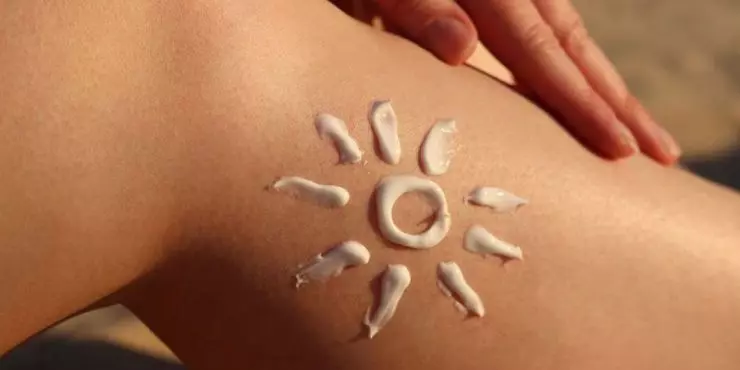
The most powerful tool against skin cancer is consistent sun protection over a lifetime, and the habits that matter most are simpler than most people assume.
Use sunscreen every day, not just at the beach
UV exposure accumulates on ordinary days, driving to work, walking between buildings, spending time near windows, and running errands. A broad-spectrum SPF 30 applied to the face, neck, and any other exposed skin as part of a daily morning routine is one of the most impactful long-term skin health habits a person can build. Broad-spectrum means the sunscreen protects against both UVA and UVB rays. SPF alone without broad-spectrum coverage leaves skin unprotected from UVA damage.
Apply enough and reapply often
The most common sunscreen mistake is not applying enough to achieve the protection on the label. Most people apply about half of what is needed. A teaspoon is needed for the face and neck. A full ounce, about a shot glass worth, is needed to cover the entire body. Reapplying every two hours and immediately after swimming or sweating keeps protection active.
Cover up with clothing
Protective clothing is often more reliable than sunscreen because it doesn't wash off, doesn't need to be reapplied, and doesn't miss spots. Wide-brimmed hats protect the face, ears, and back of the neck, which are among the most common sites for skin cancer. Lightweight long sleeves and UPF-rated swimwear are practical choices for extended outdoor time, particularly for children.
Seek shade during peak hours
UV intensity is highest between 10am and 4pm. Planning outdoor activities for the morning or late afternoon when possible, and using shade structures, trees, and umbrellas during midday, significantly reduces cumulative exposure without requiring anyone to stay indoors.
Never use a tanning bed
The risk is not proportional to any aesthetic benefit. Tanning beds are classified as a known carcinogen by the World Health Organization and there is no safe level of use.
Check your skin monthly
A monthly head-to-toe skin check in good lighting helps establish what is normal for an individual's skin so that changes are noticed early. New spots, changing moles, sores that don't heal, and anything that meets the ABCDE criteria are worth a call to the doctor. Getting to know what is normal on your own skin is one of the most practical early detection tools available.
Get a professional skin check
An annual skin exam with a doctor is appropriate for most adults, and more frequent checks are worthwhile for people with higher risk factors. A doctor can identify spots that may be concerning but don't look obviously abnormal to an untrained eye.
Sun Protection for Kids Specifically

The sun protection habits established in childhood have lifetime implications. More than half of a person's total lifetime sun exposure occurs before the age of 18, and the sunburns that happen during childhood are among the most significant contributors to adult skin cancer risk.
Building sun protection into the routine from an early age, treating sunscreen application as a normal part of getting ready to go outside rather than an occasional precaution, and making hats and protective clothing a normal part of summer are investments with genuinely long-term payoffs.
For babies under 6 months, keeping them out of direct sun and using shade and protective clothing is preferred over sunscreen. For babies over 6 months, mineral sunscreens containing zinc oxide or titanium dioxide are gentle and effective choices.
Teaching older children to apply their own sunscreen, reapply after swimming, and seek shade during the hottest part of the day builds independence and habits that will serve them for life.
What to Do If Something Looks Concerning
Finding a spot that looks different, a mole that seems to have changed, or a sore that isn't healing is not a reason to panic. It is a reason to make an appointment.
Most concerning-looking spots turn out to be benign. But the ones that aren't are the ones where early evaluation changes the outcome most dramatically. Skin cancer caught in its earliest stages is among the most treatable cancers that exist. Waiting to see if something changes on its own is the one thing that consistently makes outcomes worse.
The doctors at Northwest Family Clinics welcome questions and concerns about skin changes at any visit. A spot that has been noticed and is worth checking can be mentioned at an annual physical, a well child visit, or a dedicated appointment. There is no threshold of concern that needs to be reached before it is worth bringing up.
Frequently Asked Questions
What does skin cancer look like?
Skin cancer can look different depending on the type. Basal cell carcinoma often appears as a pearly or flesh-colored bump or a flat pinkish patch. Squamous cell carcinoma typically looks like a red firm bump, a rough scaly patch, or a sore that heals and reopens. Melanoma often appears as a new or changing dark spot with irregular borders, uneven color, or a size larger than a pencil eraser. The ABCDE rule, asymmetry, border, color, diameter, and evolution, is a useful guide for evaluating moles and spots.
How common is skin cancer?
Skin cancer is the most common cancer in the United States. More than 9,500 new cases are diagnosed every day and one in five Americans will be diagnosed with skin cancer by the age of 70.
Can skin cancer be prevented?
Most skin cancers are preventable. Consistent broad-spectrum sunscreen use, protective clothing, shade during peak UV hours, avoiding tanning beds, and monthly skin self-exams are the most effective preventive measures. The habits established in childhood have a particularly significant impact on lifetime risk.
What SPF should I use to prevent skin cancer?
Broad-spectrum SPF 30 is the minimum recommended level for meaningful sun protection. More important than the SPF number is applying enough sunscreen and reapplying it every two hours and after swimming or sweating. Most people apply far less than the amount needed to achieve the stated SPF.
Are tanning beds safe if used in moderation?
No. Tanning beds are classified as a known carcinogen by the World Health Organization. Using a tanning bed even once before the age of 35 increases melanoma risk by 75 percent. There is no safe level of tanning bed use.
How do I do a skin self-exam?
A monthly skin self-exam involves checking the entire body in good lighting, including the scalp, between the toes, and on the back using a mirror. The goal is to notice what is normal for your skin so that changes, new spots, or evolving moles are identified early. Any spot that is new, changing, or meets the ABCDE criteria is worth showing to a doctor.
When should I see a doctor about a skin spot?
Any spot that is new and looks different from others, any mole that has changed in size, shape, or color, any sore that bleeds or doesn't heal, or anything that meets one or more of the ABCDE criteria is worth a doctor's evaluation. Most will turn out to be benign, but early evaluation is always preferable to waiting.
Does skin cancer only affect people with fair skin?
No. While people with fair skin have a higher risk, skin cancer can develop in people of all skin tones. People with darker skin tones are often diagnosed at later stages because the awareness that skin cancer can affect them is lower. Everyone benefits from sun protection and regular skin checks regardless of skin tone.