

When the temperature drops, a lot of people start to notice their joints feel… different. Maybe your knees ache a little more during your morning walk, or your fingers feel stiffer when you’re tying your shoes. For many, cold weather brings a noticeable uptick in joint discomfort—but is it something to worry about? And what can you actually do to feel better?
Let’s break down what’s normal, what’s not, and what helps.
Why Cold Weather Affects Your Joints

You're not imagining it—joint pain really can worsen in the winter. Though research is still catching up to all the "whys," we know that colder temperatures can:
- Tighten up tissues. Cold weather may cause muscles, tendons, and ligaments to stiffen, which limits flexibility and increases discomfort.
- Change blood flow. The body prioritizes keeping your core warm, which may reduce circulation to your joints and extremities.
- Impact fluid in the joints. Synovial fluid, the lubricant in your joints, can become thicker in colder temps—contributing to stiffness.
- Encourage less movement. Cold, dark days can make us more sedentary, which can worsen joint stiffness and mobility issues over time.
The result? More creaks, more aches, and a little more groaning when getting up off the couch.
Stiffness vs. Injury: How to Tell the Difference

Not all joint discomfort is cause for concern—but it’s important to listen to your body. Here’s how to tell whether it’s cold-weather stiffness or something that may need medical attention:
Likely Stiffness
- Improves with gentle movement or stretching
- Feels symmetrical (e.g., both knees or both hands)
- No swelling, redness, or intense pain
- Comes and goes with weather shifts
Possible Injury or Inflammation
- Pain is sharp, persistent, or gets worse with activity
- Joint is swollen, red, or warm to the touch
- Range of motion is limited or painful
- Pain follows a fall, twist, or impact
If you're unsure or symptoms linger longer than a week or two, check in with your provider. Joint injuries, arthritis, and other conditions are easier to manage when caught early.
What Actually Helps in Winter
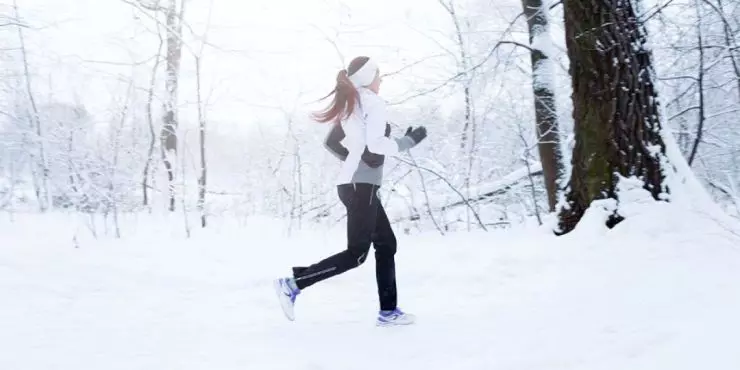
You don’t have to just “deal with it.” There are simple, practical ways to ease cold-weather joint pain and support healthy movement.
1. Keep Moving
Gentle, regular movement helps keep joints lubricated and muscles flexible. Try walking, yoga, or stretching throughout the day—even just 5–10 minutes at a time.
2. Warm Up Before Activity
Take time to warm up your body before exercise or chores. March in place, swing your arms, or do a few light stretches to prep stiff joints.
3. Layer Up
Dress warmly and protect sensitive joints with gloves, knee sleeves, or thermal layers—especially if you're spending time outside.
4. Stay Hydrated
Even in winter, hydration matters. Dehydrated tissues are more prone to tightness and inflammation.
5. Use Moist Heat at Home
Heating pads, warm baths, or a microwavable rice sock can provide soothing relief for achy joints. Just avoid high heat directly on the skin for long periods.
6. Check Your Vitamin D
Winter months often mean less sun exposure—and lower vitamin D levels can contribute to muscle and bone discomfort. Talk to your provider about testing or supplements if needed.
Frequently Asked Questions About Joint Pain in Cold Weather
Why do my joints hurt more when it’s cold out?
Cold weather can cause tissues around the joints to tighten and blood flow to shift toward your core, leading to stiffness and discomfort. Thicker joint fluid and reduced movement in winter also play a role.
Is joint pain in winter a sign of arthritis?
Not necessarily. Many people experience increased joint stiffness in the cold, even without arthritis. However, if the pain is persistent, worsening, or affects your quality of life, it’s worth checking in with your provider to rule out arthritis or other underlying conditions.
What kind of exercise is best for stiff joints?
Gentle, low-impact activities like walking, swimming, yoga, or tai chi are great for keeping joints mobile without added strain. The goal is consistency—short, daily movement sessions often help more than occasional long workouts.
Should I use ice or heat for winter joint pain?
For cold-weather stiffness, moist heat is usually best. Warm baths, heating pads, or warm compresses can loosen tight muscles and increase blood flow. Ice is more useful for acute injuries or inflammation, such as swelling after a fall.
Can I take ibuprofen or anti-inflammatories for joint pain in the winter?
Yes, over-the-counter anti-inflammatories like ibuprofen or naproxen can help ease pain and swelling in the joints, especially during flare-ups in colder months. That said, they aren’t right for everyone. Check with your doctor first if you have heart, kidney, or stomach conditions, or if you’re taking other medications. Evidence on supplements like turmeric and glucosamine is mixed, and benefits are inconsistent. Talk to your doctor. Long-term joint pain often needs more than just medication—stretching, warmth, and movement play a big role, too.
When should I see a doctor?
If your joint pain is severe, doesn’t improve with rest and home care, or is accompanied by swelling, redness, warmth, or limited motion, it’s time to schedule a visit. You don’t have to live with pain—there are effective treatments and strategies available.
When to Talk to Your Doctor
If joint pain is interfering with your daily routine, keeping you from activities you enjoy, or waking you at night, it’s worth a conversation. There may be underlying causes like arthritis, past injuries, or inflammatory conditions that can be better managed with medical support.
At Northwest Family Clinics, we’re here to help you stay active, comfortable, and confident—no matter the season. Whether it’s a quick visit for pain relief strategies or a deeper look at joint health, we’ll meet you where you are.
Struggling with joint pain this winter? Let’s figure out what’s going on—and how to help you feel better. Schedule a visit today.