

When the temperatures dip and the nursery feels a little chilly, it’s natural to wonder how to keep your baby warm at night. Winter brings its own set of challenges for safe sleep, especially when you’re trying to balance warmth with the very real concern of overheating. The good news: with a few simple guidelines, you can help your baby stay cozy, comfortable, and safe all season long.
Here’s a gentle, practical guide to winter sleep routines that support both warmth and safe sleep.
Why Winter Temperature Matters
Babies can’t regulate their body temperature as easily as adults, which means they can get cold more quickly—but they can also overheat without you realizing it. Overheating is a known risk factor for Sudden Infant Death Syndrome (SIDS), so a careful balance is key.
A good rule of thumb: baby should be warm, but never sweaty.
The Ideal Nursery Temperature
Most pediatric guidelines recommend keeping the nursery between 68 and 72 degrees Fahrenheit, even in the winter. This range supports comfortable sleep and reduces the risk of overheating.
If your home runs cooler at night, small adjustments—like closing vents, reducing drafts, or adding a space heater outside the room (never inside baby’s sleep area) can help maintain consistency.
Dress Baby in the Right Layers

Think in terms of one more layer than you would wear to sleep comfortably.
Options include:
- A footed cotton pajama or onesie
- A fleece or quilted sleep sack for added warmth
- A wearable blanket designed for winter (check its TOG rating to match your home’s temperature)
Avoid heavy or synthetic fabrics directly against baby’s skin if they are sensitive. A soft cotton base layer works well for most infants.
Important: Loose blankets are never safe for sleep, even in winter.
Choosing the Right Sleep Sack
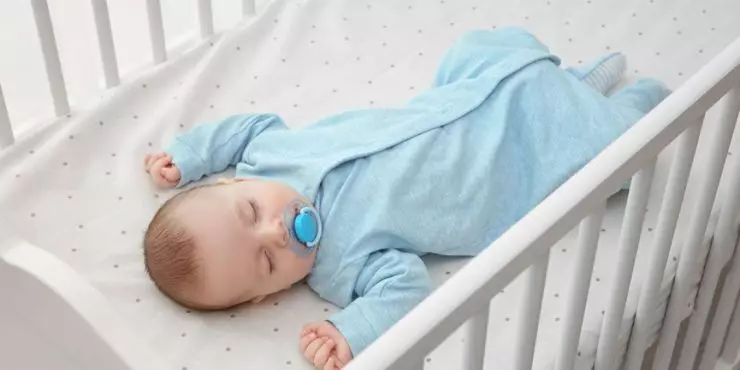
TOG ratings help guide warmth:
- 1.0–2.0 TOG: Good for moderately cool homes.
- 2.5 TOG: Suitable for colder rooms and winter nights.
Match the sleep sack to your home’s temperature rather than the weather outside.
If baby’s chest and back feel warm and dry, they’re just right. Cool hands and feet are normal, especially in winter.
Age-Specific Safe Sleep Tips for Cold Weather
While the above tips are good general recommendations for all babies, here is a break down for specific age ranges:
Newborns (0–2 Months)
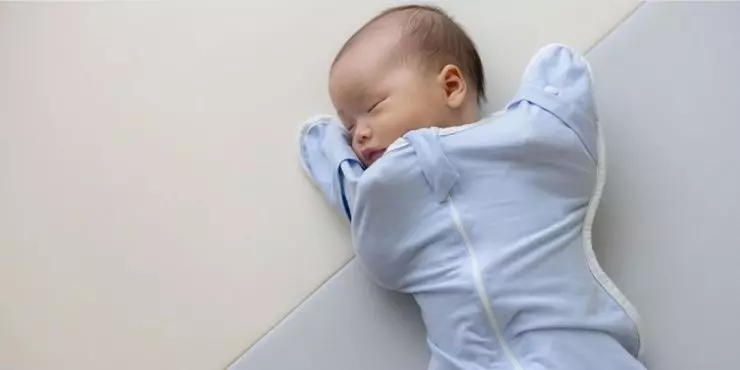
- Layering is key. Stick to a snug-fitting long-sleeve onesie and a swaddle made of breathable fabric like cotton or muslin.
- No hats during sleep. While hats are great for outdoor trips, they’re not safe for sleep due to the risk of overheating or slipping over your baby’s face.
- Use a swaddle until baby shows signs of rolling. This helps them feel secure while staying safely warm.
Young Infants (2–6 Months)
- Transition out of swaddling once your baby begins trying to roll, usually around 3 to 4 months.
- Switch to a sleep sack or wearable blanket that allows free arm movement but provides warmth without loose bedding.
- Dress your baby in 1 more layer than you would wear, usually a footed sleeper under a lightweight sleep sack works well in winter.
Older Babies (6–12 Months)
- By now, most babies are moving around more in their cribs and are comfortable with a sleep sack designed for their age and size.
- Avoid heavy fleece or thick layers that trap too much heat—opt for TOG-rated sleep sacks based on your home’s temperature.
- No blankets, quilts, or pillows yet, even if they seem like they’d help with warmth.
Toddlers (12–24 Months)
- Once your toddler is 1 year old, you can begin introducing a light blanket if desired—but many still sleep well in a wearable blanket or sleep sack.
- Choose breathable materials and monitor room temperature to avoid overheating.
- Continue placing your child on their back to sleep and avoid bulky bedding or stuffed animals in the crib.
Signs Baby May be Too Cold or Too Warm
Baby might be too cold if:
- Chest or back feels cool
- Hands appear very pale or bluish
- Baby is waking more often or seems unsettled
Baby might be too warm if:
- Skin is flushed
- Hair or chest feels damp
- Baby seems fussy or breathes rapidly
When in doubt, adjust one layer at a time and reassess in 10–15 minutes.
Avoid Hats, Mittens, and Extra Accessories in the Crib
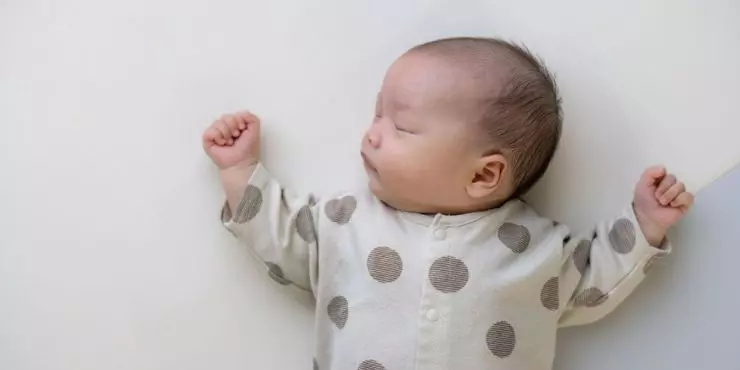
While hats and mittens help outdoors, they’re unsafe during sleep. Babies release heat through their heads, and covering that area can cause overheating. Anything that can slip or come loose becomes a suffocation risk.
During sleep, stick to:
- A fitted crib sheet
- A safe sleep sack
- Approved sleep clothing
Nothing else should be in the sleep space.
Humidity and Winter Comfort
Dry winter air can irritate your baby’s skin and nasal passages. A cool-mist humidifier, cleaned every 2–3 days, helps maintain comfortable humidity around 40–50 percent.
Good humidity supports easier breathing and more restful sleep.
What About Naps on the go?
If your baby naps in the car seat or stroller while you’re out in the cold:
- Remove bulky snowsuits or jackets before buckling (they create unsafe harness slack).
- Use a blanket or car seat cover over the straps, never underneath.
- Bring baby indoors during naps whenever possible—strollers and car seats can overheat quickly once inside.
Minnesota-Specific Winter Tips
Winter here has its own personality, and these small adjustments can make it easier:
- Warm the nursery with a brief burst of heat before bedtime—not while baby sleeps.
- Avoid placing the crib directly next to drafty windows or exterior walls.
- Check baby once or twice during the night until you confidently learn their cues.
- If your home becomes significantly colder overnight, consider a slightly higher TOG sleep sack rather than extra clothing layers.
You know your home’s winter quirks best, and small changes go a long way.
When to Reach Out
Check in with your child’s clinician if your baby:
- Is consistently sweaty or flushed during sleep
- Feels cold to the chest despite layering
- Has nighttime breathing difficulties
- Seems unusually sleepy, irritable, or hard to wake
We’re here to help you navigate winter safely and comfortably.
Keep Your Cool, Momma, You’re Doing Great

Winter safe sleep takes a bit of trial and error, but you’re paying attention, you’re asking questions, and you’re keeping your baby safe—and that matters more than anything. If you ever want help choosing layers, wondering about sleep sacks, or adjusting your home’s winter routine, the team at Northwest Family Clinics is here to support you.
Warm baby, steady sleep, peaceful nights—that’s the goal.