

Slips and falls are among the most common winter injuries, and they often happen in the places we least expect: the driveway, the sidewalk, or even the front porch. Whether you’re stepping out with a baby on your hip or simply grabbing the mail, one slick patch of ice can turn into a painful injury.
At Northwest Family Clinics, we want to help you stay steady and safe this winter. These practical tips can help prevent falls for people of all ages, from toddlers to grandparents.
Why Falls Increase in Winter

Cold weather creates the perfect recipe for slips: icy sidewalks, snow-covered steps, and slushy entryways. Add bulky coats, less-than-ideal footwear, reduced daylight, or rushing out the door—and balance becomes more of a challenge. Certain groups, including older adults, pregnant women, and kids, are even more vulnerable. Here are some key statistics around falls due to ice:
- Each year in the United States, about 1 million adults are injured from slipping and falling on ice and snow, according to public health estimates.
- Of those winter slip‑and‑fall injuries, approximately 17,000 are fatal annually.
- Falls related to ice, snow, or sleet result in thousands of workplace injuries each year; for example, 13,960 such cases were reported with nearly 6,000 requiring medical treatment and hundreds requiring hospitalization.
- Slips, trips, and falls—including those on ice—constitute a significant portion of all injury events, accounting for roughly 20–28% of workplace injuries that cause a day away from work.
- In weather‑related injury data, 97% of all weather‑related injuries were attributed to slips or trips
Why These Numbers Matter
These statistics help show that ice‑related slips and falls are not rare isolated events, they’re a major safety concern in winter months, affecting people of all ages and mobility levels. Incorporating prevention strategies can significantly reduce the risk of these common injuries.
But the good news? Many winter falls are preventable with the right gear, habits, and awareness.
Tips to Help Decrease Your Risk of a Fall on Ice this Winter

1. Choose the Right Winter Footwear
Footwear is your first line of defense when it comes to traction and stability.
What to Look For:
- Non-slip rubber soles: Look for deep treads that grip the ground.
- Waterproof materials: Dry feet are warm feet—and you’re less likely to rush if your socks aren’t soaked.
- Snug fit: Avoid loose or worn-out boots that make walking harder.
- Low, stable heels: Flat or low-heeled boots provide better control than high or narrow heels.
Bonus Tip: Add removable ice cleats or traction grips for extra slick days, but remove them indoors to avoid slipping on tile or wood floors.
2. Improve Your Balance with Small Daily Habits
Staying active in the winter helps maintain core strength and balance—two key factors in preventing falls.
Try This:
- Do gentle balance exercises at home (like standing on one foot while brushing your teeth)
- Walk indoors at a mall, gym, or community center if it’s too icy outside
- Practice rising slowly from seated positions to prevent lightheadedness
For older adults, talk with your provider about a fall prevention program or physical therapy to strengthen balance and stability. A cane or walking stick with an ice grip attachment may also be helpful.
3. Make Home Entrances Safer
Most winter slips happen right at home—on the steps, in the garage, or while getting in and out of the car.
Here’s how to prep your space:
- Clear walkways daily of snow and ice, and apply sand or ice melt regularly
- Install handrails on both sides of stairs and near entryways
- Use motion-sensor lighting so you’re not navigating icy paths in the dark
- Keep a small mat or towel inside the door for wet boots to avoid puddles
With kids, teach them to go slow, hold handrails, and wait their turn when walking outside together.
4. Rethink Your Winter Routines
A few small tweaks can help you avoid rushing and reduce your risk:
- Give yourself more time when leaving the house
- Use a backpack instead of carrying bags that throw off your balance
- Keep your hands free when possible (or use wrist loops on bags so your hands are open to brace a fall)
If you're carrying a baby or toddler, always use a carrier with proper support—and walk slowly and deliberately.
If You Do Fall: When to Call Your Doctor
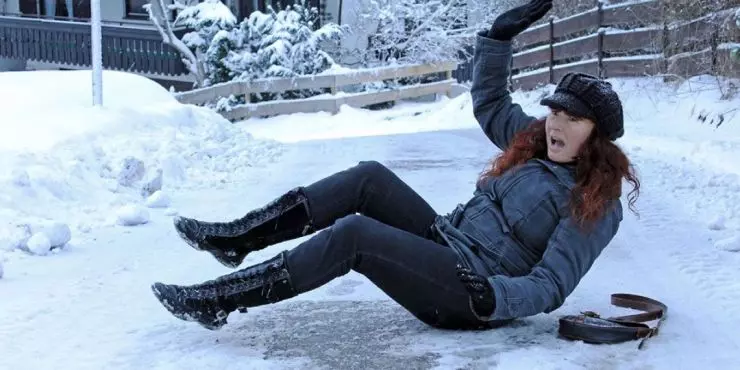
Even a minor fall can cause hidden injuries—especially for older adults or pregnant women.
Call your provider if you notice:
- Persistent pain in your joints or back
- Swelling, bruising, or stiffness that worsens
- Trouble walking or bearing weight
- Dizziness or headache after a fall
Prompt care can help you recover more quickly and prevent future injury.
You Can Stay Safe and Active This Winter
Winter doesn’t have to mean staying inside. With the right gear, some thoughtful changes, and a bit of extra caution, you can stay mobile and confident—even on slippery days.
At Northwest Family Clinics, we’re here to support your health and safety all year long. Whether it’s a twisted ankle or a question about the best balance exercises for your age, we’re just a phone call away.
Need help with balance, mobility, or winter injury prevention? Schedule a visit with one of our providers, we’re here to help you stay steady this season. Need to get in asap? We have two urgent care clinics offering walk-in appointments.